Quick Answer
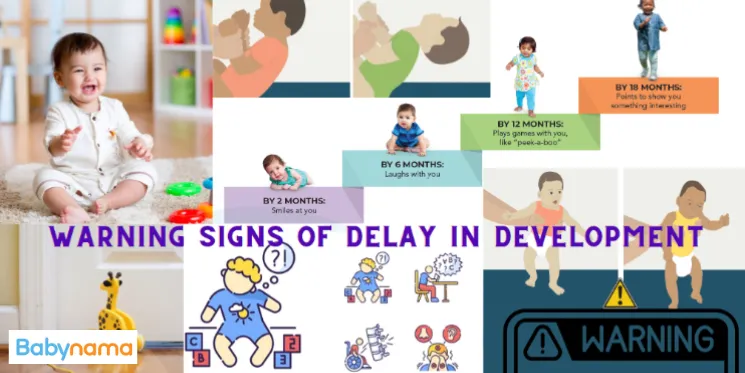
18 months is a major milestone checkpoint. By around 18 months, most toddlers are walking independently, saying at least 6-10 clear words, pointing to show you things, and copying your actions — but these are typical ranges, not pass/fail deadlines. This is also when autism screening (M-CHAT-R/F) is recommended and when several important IAP booster vaccines are due. If you’ve been wondering “is my child on track?” — this is a good month to check with your pediatrician.
Development Milestones This Month
These are things most children can do by around 18 months — not a checklist every child must complete at exactly 18 months. Children develop on a range, not a deadline. The “see a doctor if not by X” red flags are at the end of this guide.
Movement: Your toddler walks without holding on, climbs furniture, scribbles with crayons, tries (with varying success) to use a spoon, and can drink from an open cup (expect spills). Some are starting to run — more of a controlled fall forward than actual running.
Language: The range is wide here — 10-25 words is typical, with at least 6-10 clear ones. They follow one-step directions without you needing to gesture: “put it on the table” and they do it. They say “no” (often) and shake their head. They point to show you things — not just to request, but to share interest (“look, a dog!”).
Social and emotional: They copy household chores (sweeping, wiping), engage in simple pretend play (feeding a doll), and explore independently but check back to make sure you’re nearby. They help with dressing — pushing arms through sleeves, lifting feet for shoes.
Cognitive: They understand what objects are for. They show interest in dolls and stuffed animals as “beings” rather than just objects. They can stack 3-4 blocks.
Feeding Guide
What a Day Looks Like
Your 18-month-old eats family food with minor modifications (smaller pieces, less spice, no whole nuts).
Portion size: About 1 cup (250 ml katori) per meal, plus 1-2 small snacks.
Indian meal ideas:
- Morning: Dosa with coconut chutney (mild), upma with vegetables, or stuffed paratha with dahi
- Lunch: Dal-chawal with ghee and mashed vegetable, rajma-rice (mashed slightly), or khichdi with palak
- Snack: Fruit (banana, chikoo, mango in season), homemade ragi ladoo, paneer cubes, or boiled egg
- Dinner: Roti with dal, vegetable pulao, or moong dal cheela
Common Feeding Issues at 18 Months
Refusing vegetables: Normal. Keep offering without pressure. Mix into foods they like (palak in paratha dough, carrot in kheer). Don’t make it a battle.
Throwing food: Part experimentation, part communication (“I’m done”). When they throw, say “food stays on the plate” calmly and remove the plate if they continue.
Only wants milk: Cap milk at 300-400 ml per day. Excessive milk kills appetite for solids and can cause iron deficiency.
Sleep This Month
11-14 hours total sleep. By 18 months, nearly all toddlers are on one nap — typically 1.5-2.5 hours starting around 12:00-1:00 PM.
Ideal Schedule
| Time | Activity |
|---|---|
| 6:30-7:00 AM | Wake up |
| 12:00-12:30 PM | Nap starts |
| 2:00-2:30 PM | Nap ends |
| 7:00-7:30 PM | Bedtime |
18-Month Sleep Regression
Some toddlers hit a sleep regression around 18 months — suddenly fighting bedtime, waking at night, or refusing naps. This is linked to a developmental leap (language explosion, separation awareness, new independence). It’s temporary. Stick to your routine, don’t introduce new sleep associations (rocking to sleep, co-sleeping if you weren’t already), and it usually resolves in 2-4 weeks.
Common Concerns
Tantrums — Peak Season Begins
18-24 months is peak tantrum territory. Your toddler has big emotions and limited words — a frustrating combination. Expect 1+ tantrums per day. Most last 1-5 minutes.
Why tantrums happen: They want something they can’t have, can’t do something they want to do, or can’t communicate what they need. They’re not manipulating you — their prefrontal cortex (impulse control) won’t mature for years.
What to do:
- Stay calm (or fake it). Your regulation is their regulation.
- Keep them safe — move sharp objects, hold them if they’re hitting their head
- Don’t give in to the demand that caused the tantrum, but don’t punish the tantrum itself
- After it passes, reconnect: brief hug, name the emotion (“you were so angry”)
Autism Screening — M-CHAT-R/F
The M-CHAT-R/F (Modified Checklist for Autism in Toddlers) is recommended at 18 months and again at 24 months. This is a screening tool — not a diagnosis. Ask your pediatrician about it at the 18-month well-baby visit; not all clinics do it routinely in India, so it’s worth raising yourself.
Key things the M-CHAT looks at:
- Does your child point at things to share interest?
- Does your child look at you when you point at something?
- Does your child engage in pretend play?
- Does your child respond to their name?
A failed screening doesn’t mean autism — it means further evaluation is needed. Early identification leads to early intervention, which significantly improves outcomes. See signs of autism in babies and toddlers for what to watch at each age.
Screen Time
No screens under 2 years (WHO, IAP). At 18 months, this is still the recommendation. Video calls with grandparents are generally considered an exception, as they involve real-time social interaction.
Separation Anxiety
Should be easing by now compared to the 12-15 month peak. If it’s still intense at 18 months, it’s within normal range — most children work through it by 2-3 years. Consistent goodbyes (brief, cheerful, honest) are the best strategy.
Vaccination Schedule
Vaccines Due at 16-18 Months (if not already given)
| Vaccine | Protects Against |
|---|---|
| DTwP/DTaP Booster-1 | Diphtheria, Tetanus, Pertussis |
| Hib Booster | Haemophilus influenzae type b |
| IPV Booster | Inactivated Polio Vaccine |
| MMR — Dose 2 | Measles, Mumps, Rubella (IAP gives the 2nd dose at 15-18 months) |
Vaccines Due at 18-19 Months
| Vaccine | Details |
|---|---|
| Hepatitis A — Dose 2 | Killed vaccine (second dose, first was at 12 months) |
Make sure all vaccines are recorded in your child’s immunization card. If you’ve missed any earlier doses, your pediatrician can create a catch-up schedule.
When to See a Doctor
The 18-month well-baby visit is one of the most important checkups. Talk to your pediatrician if, by 18 months, your child:
- Doesn’t point to show you things
- Doesn’t know what common objects are for (phone, brush, spoon)
- Doesn’t copy others
- Doesn’t gain new words
- Has fewer than 6 words
- Doesn’t walk
- Doesn’t notice or mind when a caregiver leaves or returns
- Has lost skills they previously had
If your child shows any of these, don’t wait. Discuss with your pediatrician and request developmental screening.
Aapke Sawaal
M-CHAT screening kya hota hai? Kya zaroori hai?
M-CHAT ek simple questionnaire hai jo autism spectrum disorder ka early screening karta hai. 18 aur 24 months pe recommended hai. Isme aapko 20 sawaal puchhe jaate hain — jaise kya bachcha pointing karta hai, naam pe respond karta hai, pretend play karta hai. Yeh diagnosis nahi hai — sirf screening hai. Agar result mein concern aaye toh aage evaluation hoti hai. Early detection se bahut farak padta hai because early intervention works best.
18 mahine mein kitne words hone chahiye?
Kam se kam 6 clear words. Zyaadatar bachche 10-25 words bolte hain is umar mein. “Mama,” “papa,” “doodh,” “nahi,” “ball” — yeh sab count hote hain. Animal sounds bhi count hote hain agar consistently use karta hai (jaise “bow bow” for dog). Agar 6 se kam hain aur pointing bhi nahi karta — toh pediatrician se milein.
Vaccine mein dard hota hai — kya kuch de sakte hain?
Vaccination se pehle doctor se paracetamol ke baare mein poochh sakte hain. Paracetamol is dosed by your baby’s weight, not age: 15 mg/kg per dose, every 4–6 hours, max 4 doses (60 mg/kg) in 24 hours. Check the syrup strength (120 vs 250 mg/5 ml). Confirm the exact mL with your pediatrician. Injection ke baad injection wali jagah pe cold compress lagayein. Bachche ko feed karein ya distract karein injection ke waqt. Halka bukhar aur injection site pe swelling 1-2 din tak ho sakta hai. Agar tez bukhar (102°F / 38.9°C se upar), 48 ghante se zyada bukhar, bachcha bahut sust/listless lage, ya saans lene mein dikkat ho — toh turant doctor ko dikhayein.
Real Questions from Indian Mothers
These are real questions asked by parents in the Babynama community, answered by our pediatricians.
“In how many hours does fever due to viral reduce. My baby is 16 months old & is having fever since yesterday ,local paedriatician has given Paracip sryup. He says it will reduce by today evening”
We cannot predict that. If fever persists more than 3 days then blood tests to be done. If fever keeps recurring every 6 hours then the cause to be ruled out
“My daughter is 18 months old. Her tongue is white usually. She doesn’t know how to brush and spit out …how should I clean her tongue and mouth”
You can use finger brush to clean her toungue…and any soft brush to clean her teeth…demonstrate and teach her
“Hello my baby is 18 months old Due to teething he is very irritated , banging his head and also crying alott What can I do to ease the pain?”
Can do gum massage N can give teethers Nothing to worry if pain is due to teething it will come down in 1 or 2 days
General information for Indian parents, not a substitute for your pediatrician. In an emergency, call 112 or 108.