Quick Answer
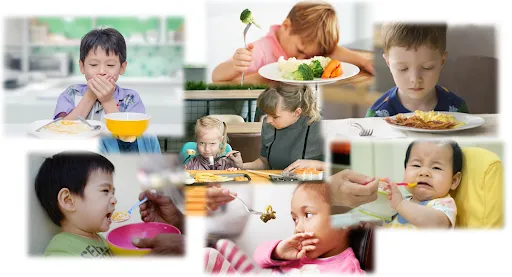
NO, you should not force-feed your child - it causes more harm than good! We know you’re worried when your child doesn’t eat (bachcha khana nahi khata), but forcing food creates lifelong eating problems. Children naturally regulate their appetite, and force-feeding can lead to eating disorders, food aversions, and emotional trauma. Trust your child’s hunger cues while offering nutritious options.
Why Parents Force-Feed
Common Reasons:
- Worry about patla (thin) child
- Grandparents’ pressure
- Comparison with other children
- Fear of malnutrition
- “Finish your plate” mindset
- Wanting child to eat healthy foods
We Understand: Your concern comes from love. But science shows force-feeding backfires.
Why This Happens
Normal Eating Variations:
| Age | Normal Eating Pattern |
|---|---|
| 1-2 years | Appetite decreases as growth slows |
| 2-3 years | Peak pickiness, independence develops |
| 3-5 years | Preferences strong, neophobia (fear of new foods) |
| Any age | Eat more some days, less others |
Children Self-Regulate:
- Healthy children won’t starve themselves
- Appetite varies with growth, activity, illness
- They know when they’re full
- Forcing overrides natural cues
Consequences of Force-Feeding
Immediate Effects:
- Vomiting
- Choking risk
- Mealtimes become stressful
- Child associates food with negativity
- Power struggles develop
Long-Term Damage:
| Consequence | How It Develops |
|---|---|
| Eating disorders | Lost ability to read hunger/fullness cues |
| Food aversions | Negative associations with specific foods |
| Obesity | Overeating because internal cues ignored |
| Anxiety | Food and mealtimes trigger stress |
| Poor relationship with food | Eating becomes emotional, not nourishing |
| Low self-esteem | Feeling out of control |
What Counts as Force-Feeding
Obvious Forms:
- Physically putting food in mouth
- Holding mouth open
- Not letting child leave until plate is finished
Subtle Forms (Also Harmful):
- “Just two more bites”
- “You can’t play until you eat”
- “See how your brother eats so well”
- “Mummy will be sad if you don’t eat”
- Distraction feeding (TV, phone while feeding)
- Bribes: “Ice cream if you eat your roti”
When to Worry (Red Flags)
Contact your pediatrician if:
- Significant weight loss
- Growth dropping off percentile curve
- Child refuses entire food groups consistently
- Eating fewer than 20 foods total
- Gagging/vomiting with most foods
- Extreme fear around food
- Signs of nutritional deficiency Note: Being “patla” alone isn’t a concern if child is healthy, active, and growing on their curve!
What You Can Do
The Division of Responsibility (Golden Rule)
Parent’s Job:
- Decide WHAT food is offered
- Decide WHEN meals happen
- Decide WHERE eating occurs
Child’s Job:
- Decide WHETHER to eat
- Decide HOW MUCH to eat
Practical Strategies
1. Create Structure
- Set meal and snack times (3 meals + 2-3 snacks)
- No grazing between meals
- Water only between eating times
- 20-30 minute time limit for meals
2. Serve Family Meals
- Everyone eats the same food
- Include at least one food child usually accepts
- Small portions (child can ask for more)
- No special “kid food” cooking
3. Make Mealtimes Pleasant
- Eat together as family
- No screens during meals
- No comments about what child eats
- Pleasant conversation about non-food topics
4. Trust Your Child
- Let them stop when full
- Don’t push “just one more bite”
- Believe them when they say they’re done
- Resist urge to offer alternatives
5. Add Calories Without Force
- Ghee in dal, rice, roti
- Nut butters on bread
- Cheese in parathas
- Full-fat dairy
- Dry fruits as snacks
For the Underweight Child
If genuinely underweight, try:
- More frequent small meals
- Calorie-dense foods (ghee, nuts, cheese)
- Limit filling liquids before meals
- Make food visually appealing
- Involve child in cooking
- Reduce mealtime stress
DON’T:
- Force larger portions
- Make child feel anxious
- Compare with other children
- Punish for not eating
Talking to Family
When elders pressure to force-feed:
- “Doctor ne bola hai force nahi karna”
- Share this article
- Explain modern understanding
- Agree on unified approach
- Focus on offering good food, not forcing it
Frequently Asked Questions
Q: Mera bachcha bahut patla hai aur kuch khata nahi - kya karun?
A: First, check with pediatrician if weight is actually concerning (many “patla” children are perfectly healthy). If medically underweight: add calories to regular foods (ghee, cheese, nuts), offer frequent small meals, make mealtimes stress-free, and focus on foods they do like. Forcing will make things worse. Patience and calm approach work better than pressure.
Q: My child will starve if I don’t force-feed - how can I stop?
A: Healthy children will NOT starve themselves. They may eat less initially when you stop forcing, but will adjust within days/weeks. Offer nutritious food at regular times, then let child decide how much. It feels scary, but children regulate well when given the chance. If you have serious concerns, work with a pediatric dietitian.
Q: My mother-in-law insists I force-feed - what to do?
A: This is very common in Indian families! Try: “Doctor ne mana kiya hai” (the doctor said not to), share articles on why it’s harmful, have pediatrician explain to family, suggest alternative ways saas-ji can help (cooking favorites, making mealtime fun). A united approach is essential.
Q: But I was force-fed and I’m fine?
A: Many of us were force-fed and don’t realize the impact. You may have developed complicated feelings about food, tendency to overeat/undereat emotionally, or food aversions. We now know better methods that support healthy relationships with food. The goal is to break this cycle for your child.
Q: My child only eats with TV/phone - should I continue?
A: Distraction feeding is a form of force-feeding - child doesn’t learn to eat mindfully. To stop: warn that screens are ending with meals, expect pushback initially, stay calm and consistent, make meals interactive through conversation, keep meal time short initially. It takes 1-2 weeks to adjust. The long-term benefits are worth it.
This article was reviewed by Babynama Pediatricians. Last updated: June 2026.
Need personalized guidance? Book a consultation with our pediatricians or explore our Care Plans for 24/7 expert support!
This article is for general information for parents in India and is not a substitute for an in-person consultation with your pediatrician. Feeding guidance follows IAP (Indian Academy of Pediatrics) principles. If your child has significant weight loss, is falling off their growth curve, refuses entire food groups, or shows gagging/vomiting with most foods, see your pediatrician. For any medical emergency, call 112 (national emergency) or 108 (ambulance), or go to your nearest hospital.
Continue with this topic