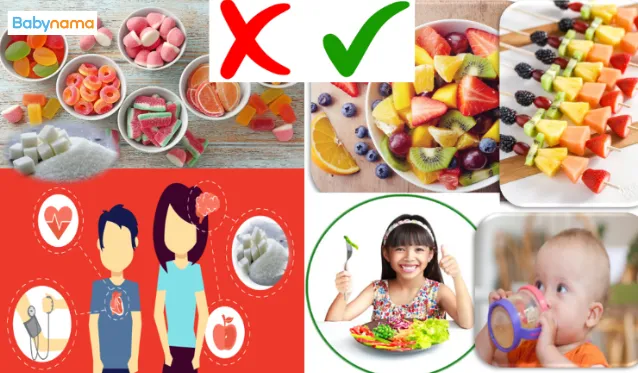
Quick Answer
No added sugar before age 2, and maximum 6 teaspoons (25 grams) daily for children 2-18 years. If your child is eating more sugar than this, don’t panic - you can gradually reduce it without making mealtime a battle. Small, consistent changes work best!
Why Reducing Sugar Matters (But Don’t Stress!)
Every Indian parent knows the struggle - dadi wants to give ladoo, birthday parties have cake, and ads promote sugary cereals. It’s okay! You don’t need to be perfect. The goal is progress, not perfection.
Here’s the good news: Children’s taste buds adapt quickly. Within 2-3 weeks of reducing sugar, foods will start tasting sweeter to them naturally.
Step-by-Step Guide to Reducing Sugar
Step 1: Know Where Sugar Hides
Before cutting sugar, understand where it’s coming from in your child’s diet.
Keep a 3-day food diary:
Track everything your child eats and drinks, including:
- Breakfast cereals (Chocos, Cornflakes)
- Biscuits with chai/milk
- Packaged snacks
- Drinks (juice, flavored milk, health drinks)
- Desserts and sweets Common hidden sugar sources in Indian households:
| Item | Sugar (teaspoons) |
|---|---|
| 1 cup Bournvita/Horlicks | 3-4 |
| 2 Parle-G biscuits | 2 |
| 1 cup Frooti | 6-7 |
| 1 small samosa (packaged) | 1 |
| 1 serving flavored curd | 4-5 |
| 1 rusk | 1 |
Step 2: Start with Drinks (Biggest Impact!)
Drinks are often the biggest source of sugar. Start here for maximum impact.
Week 1-2: Dilute sugary drinks
-
Mix Frooti/Maaza with 50% water
-
Reduce Bournvita/Horlicks by half
-
Add less sugar to milk Week 3-4: Switch gradually
-
Replace packaged juice with nimbu pani (less sugar)
-
Try plain milk with a tiny bit of jaggery
-
Introduce coconut water, chaas Goal: By month 2
-
Water as primary drink
-
Plain or very lightly sweetened milk
-
Whole fruits instead of juice
Step 3: Fix Breakfast
Most packaged breakfast cereals are sugar bombs. Here’s how to transition:
Current: Chocos, Cornflakes with sugar, Maggi
Transition foods:
-
Mix Chocos with plain puffed rice (murmura) - gradually increase murmura
-
Add banana slices for natural sweetness
-
Try dalia/oats with fruits instead of sugar Goal: Desi breakfast options
-
Idli-sambar
-
Paratha with curd
-
Poha
-
Upma
-
Besan cheela
-
Ragi dosa
-
Daliya with vegetables
Step 4: Smart Snacking Swaps
Instead of biscuits: Roasted makhana, roasted chana, homemade mathri
Instead of chocolate: Dates (khajoor), dried figs (anjeer), raisins (kishmish)
Instead of chips: Roasted peanuts (for 3+ years), homemade banana chips, cucumber sticks
Instead of cake: Banana bread (less sugar), fruit with cream
Instead of candy: Frozen grapes, homemade fruit popsicles
Step 5: Reduce Sugar in Home Cooking
Most Indian mithais and desserts are made at home - you control the sugar!
Tips:
- Cut sugar by 25-50% in any recipe - you won’t notice!
- Use ripe bananas for sweetness in baking
- Add dates, figs for natural sweetness
- Use cinnamon (dalchini) - tastes sweet without sugar
- Make raita with chopped fruits instead of adding sugar
Tips for Success
1. Lead by Example
Children copy parents. If you add 3 spoons of sugar to your chai, your child will want the same. Reduce your own sugar intake.
2. Don’t Label Foods as “Bad”
Saying “chocolate is bad” makes it more desirable. Instead say “we eat this sometimes, but fruits give us more energy for playing.”
3. Involve Children in Cooking
When kids help make healthy snacks, they’re more likely to eat them.
4. Make Healthy Foods Fun
- Cut fruits into fun shapes
- Let them build their own fruit chaat
- Create colorful plates
5. Be Patient
It takes 10-15 tries for a child to accept a new taste. Keep offering without forcing.
6. Don’t Use Sweets as Rewards
“Finish your roti and you’ll get chocolate” teaches that chocolate is more valuable than roti.
Common Mistakes to Avoid
Mistake 1: Going Cold Turkey
Suddenly removing all sugar causes tantrums and cravings. Gradual reduction works better.
Mistake 2: Using Artificial Sweeteners
Sugar-free products with artificial sweeteners are NOT recommended for children. Stick to naturally sweet foods.
Mistake 3: Replacing Sugar with Jaggery
Jaggery (gud) is still sugar. It has some minerals, but affects blood sugar the same way.
Mistake 4: Giving Packaged “Health” Foods
Many products marketed as healthy (health drinks, digestive biscuits, fruit bars) are high in sugar. Always read labels.
Mistake 5: Banning Sweets Completely
This backfires - children become obsessed with forbidden foods. Allow occasional treats mindfully.
Managing Family and Social Situations
At Grandparents’ House:
- Talk to grandparents about your approach
- Send healthy snacks with child
- Allow small treats occasionally - relationships matter too!
At Parties:
- Let child enjoy party food at parties
- Balance with healthy meals at home
- Don’t make a big deal about it
Managing Tantrums:
- Acknowledge feelings: “I know you want chocolate”
- Offer alternatives: “Would you like apple with peanut butter?”
- Stay calm and consistent
- Distraction works wonders for younger children
When to Seek Professional Help
Consult a pediatrician or nutritionist if:
- Child is significantly overweight
- Child refuses all non-sweet foods
- You suspect sugar addiction (extreme tantrums, can’t function without sweets)
- Child has frequent cavities
- Family history of diabetes
FAQs
Q: How quickly will I see results?
A: Within 2-3 weeks, your child will start accepting less sweet foods. Full taste adjustment takes about 3 months.
Q: My child only eats if I add sugar to food. What do I do?
A: Gradually reduce sugar over weeks. If child was getting 2 spoons, make it 1.5, then 1, then half. The change should be slow enough that they don’t notice.
Q: Is honey better than sugar for kids?
A: Honey is still sugar and counts toward daily limits. Never give honey to babies under 1 year (risk of botulism).
Q: What about fruit juice labeled “no added sugar”?
A: Even 100% fruit juice has lots of natural sugar and lacks fiber. Limit to 100ml daily and prefer whole fruits.
Q: My child’s school canteen sells only junk food. What can I do?
A: Pack healthy tiffin at home. Talk to school administration. Connect with other parents who share your concern.
This article was reviewed by Babynama Pediatricians. Last updated: January 2025
Need personalized advice on your child’s nutrition? Chat with Babynama’s pediatricians on WhatsApp anytime.
Need personalized guidance? Book a consultation with our pediatricians or explore our Care Plans for 24/7 expert support!
Related Tools
General information for Indian parents, not a substitute for your pediatrician. In an emergency, call 112 or 108.
Continue with this topic