
Quick Answer
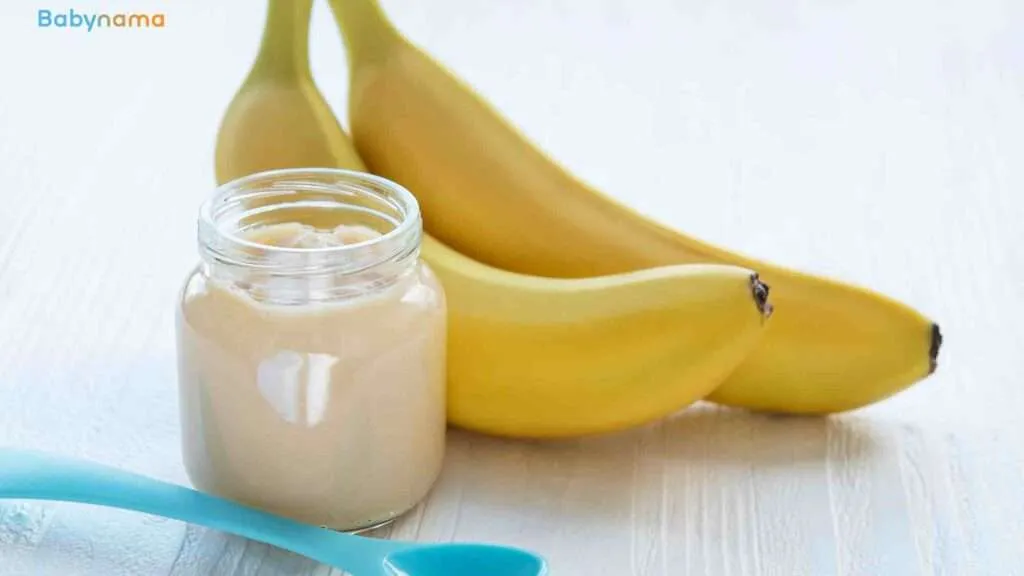
Banana puree is one of the best first foods (pehla aahar) for babies starting solids at 6 months. To make it: mash half a ripe yellow banana with 2 teaspoons of breast milk (maa ka doodh) until smooth. That’s it - no cooking required! This simple kela mash takes just 5 minutes and is perfect for introducing your baby to solid foods.
Why Banana is Perfect for Starting Solids
Indian pediatricians and the IAP (Indian Academy of Pediatrics) recommend starting complementary foods at 6 months. Bananas are ideal because:
- Naturally sweet - babies love the taste without added sugar
- Soft texture - easy to mash to the right consistency
- Nutrient-rich - packed with potassium, vitamin B6, and energy
- Available everywhere - from local sabzi mandis to supermarkets
- Affordable - costs just Rs 5-10 per banana
- No cooking needed - saves time for busy Indian parents
Reassurance for new moms: If your baby makes faces or spits out the first few bites, this is very common and usually nothing to worry about. It often takes 10-15 tries before babies accept a new food. Keep offering.
Step-by-Step Banana Puree Recipe
What You’ll Need
- 1 ripe banana (kela) - look for yellow with small brown spots
- 2 teaspoons breast milk, formula, or cooled boiled water
- Clean bowl and spoon/fork
- Baby-safe feeding bowl
Step 1: Choose the Right Banana
Select a ripe banana with yellow skin and a few brown spots. Avoid:
- Green bananas - too hard and difficult to digest
- Overripe black bananas - sour taste, may cause loose stools
- Elaichi kela (small bananas) - can be used once baby is used to regular bananas
Step 2: Prepare and Mash
- Wash your hands thoroughly with soap
- Peel the banana and cut off both ends
- Take half the banana (save rest for yourself!)
- Place in a clean katori (bowl)
- Mash thoroughly with a fork or spoon until no lumps remain
Step 3: Add Liquid and Mix
- Add 2 teaspoons of breast milk (maa ka doodh) or formula
- Mix well until you get a smooth, runny consistency
- The puree should flow slowly off the spoon - not too thick, not too watery
Step 4: Serve Fresh
- Serve immediately in a clean bowl
- Use a soft silicone spoon for feeding
- Start with 1-2 teaspoons on the first day
- Offer during a happy, alert time (not when baby is sleepy or hungry)
Important: Bananas turn brown (oxidize) quickly. Always make fresh puree for each feeding - don’t store and reuse.
Tips for Success
- Temperature check: Serve at room temperature, not cold from the fridge
- Right time: Offer 30-45 minutes after a milk feed when baby is slightly hungry but not starving
- Bonding time: Make eye contact, smile, and talk to your baby during feeding
- Go slow: Let baby set the pace - don’t rush or force
- Clean setup: Use freshly washed utensils every time
Making It More Nutritious (After 7+ Months)
Once your baby is comfortable with plain banana puree, try these combinations:
| Combination | Benefits |
|---|---|
| Banana + Suji (semolina) | Added iron and energy |
| Banana + Curd (dahi) | Probiotics for digestion |
| Banana + Apple (seb) | Fiber and vitamin C |
| Banana + Chiku | Natural sweetness, iron |
| Banana + Oats | Fiber and sustained energy |
Common Mistakes to Avoid
- Starting before 6 months - Baby’s digestive system isn’t ready earlier
- Using cow’s milk before 1 year - Stick to breast milk or formula for mixing
- Making lumpy puree - Can cause gagging or choking in beginners
- Feeding during cold/cough - Some babies may have more mucus; consult your pediatrician
- Overfeeding - 2-3 teaspoons is enough initially; watch for fullness cues
- Storing leftover puree - Bacteria grow quickly; always make fresh
What’s Normal When Starting Solids
Don’t panic if you notice:
- Baby pushing food out with tongue (tongue thrust reflex - normal until 4-6 months)
- Making funny faces at new taste
- Eating very little (1-2 spoons is usual initially)
- Slight change in poop color or consistency
- Taking several days to accept banana
When to Contact Your Pediatrician
Seek medical advice if your baby shows:
- Rash or hives after eating banana (possible allergy)
- Swelling of lips, face, or tongue
- Vomiting repeatedly after banana
- Severe constipation lasting more than 3 days
- Refusing all solid foods even after 2-3 weeks of trying
FAQs
Q: Can I give banana to my baby before 6 months?
A: No, the IAP and WHO recommend exclusive breastfeeding (sirf maa ka doodh) for the first 6 months. Starting solids too early can cause digestive problems and allergies. Wait until your baby shows signs of readiness - sitting with support, good head control, and interest in food.
Q: My baby is constipated after eating banana. What should I do?
A: Bananas can cause constipation (kabz) in some babies, especially if given too much. Try giving less quantity, ensure adequate breast milk intake, and you can try mixing banana with papaya (papita) which helps with digestion. If constipation persists, consult your pediatrician.
Q: Should I steam or cook the banana before mashing?
A: No, bananas don’t need cooking! They’re naturally soft and easy to digest. Just choose a ripe banana and mash it well. Cooking may destroy some nutrients.
Q: Can I use formula milk instead of breast milk in the recipe?
A: Yes, you can use formula milk if you’re formula feeding. You can also use plain cooled boiled water. Avoid cow’s milk (gaye ka doodh) until your baby is 1 year old.
Q: How do I know if my baby is allergic to banana?
A: Banana allergies are rare but possible. Watch for: rash around mouth or body, vomiting, diarrhea, or fussiness within 2 hours of eating. If you notice any of these, stop giving banana and consult your pediatrician immediately.
Q: What’s the best time of day to give banana puree?
A: Morning or early afternoon is best for trying new foods. This way, if there’s any reaction, you can observe it during daytime hours. Avoid introducing new foods close to bedtime.
This article was reviewed by Babynama Pediatricians. Last updated: January 2025
Need personalized guidance? Book a consultation with our pediatricians or explore our Care Plans for 24/7 expert support!
Related Tools
General information for Indian parents, not a substitute for your pediatrician. In an emergency, call 112 or 108.
Continue with this topic