Quick Answer
At 13 months, your child is officially a toddler — walking (or nearly there), saying a few words, and exploring the world with intense curiosity. This month is about growing independence and the frustration that comes with it. Your toddler wants to do things they can’t yet do and say things they don’t yet have words for. Tantrums may begin — not because your child is being difficult, but because their desires have outpaced their abilities.
Development Milestones This Month
Movement & Motor Skills
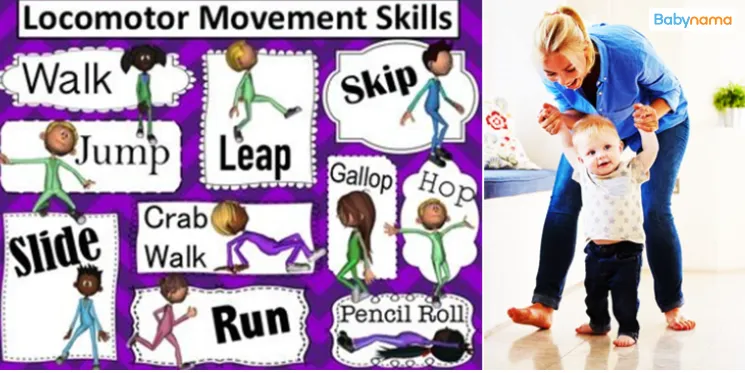
If your toddler started walking, they’re getting better at it — but still falling a lot. The “toddler walk” is classic: wide legs, arms up for balance, frequent sitting-down-hard landings. If they haven’t started walking yet, they may be taking first steps this month or still happily cruising. Both are normal — walking range extends to 18 months.
Climbing is emerging. Your toddler may try to get onto sofas, chairs, or stairs. Supervision is critical — they can climb up things they can’t get down from.
- Walking improving — balance gets noticeably better week by week
- Squatting and standing — can go down to pick up a toy and stand back up
- Climbing — attempts stairs on hands and knees, wants to get onto low furniture
- Hand skills — stacks 2 blocks, puts objects into containers, turns board book pages
Language & Communication
Vocabulary is 3-5 words, give or take. These are often “transparent” only to regular caregivers — “ba” means ball, “du” means doodh, “awa” means water. The words may not be perfectly clear, but they’re consistent. That’s what counts.
Pointing is the primary communication tool. Your toddler points at what they want, what they see, what interests them. This is enormously important — it shows they understand that communication is a two-way process and that they can direct your attention.
Jargon babbling — long strings of sounds that have the melody and rhythm of speech but no actual words — is a hallmark of this age. Your toddler sounds like they’re telling you a very important story in a language you don’t speak.
Social & Emotional
Tantrums may begin. At 13 months, your toddler has big desires (I want that, I want to do that, I want to go there) and limited ability to get what they want or tell you about it. When frustrated, they cry, scream, throw themselves on the floor. This is normal toddler behavior, not a sign of being “spoiled” or a behavioral problem.
How to handle early tantrums:
- Stay calm (your calm helps them regulate)
- Acknowledge the feeling: “You wanted that, I know”
- Don’t give in to something unsafe just to stop the tantrum
- Redirect when possible
- It will pass in minutes
Your toddler is also showing more affection now — hugging, leaning their head on you, bringing you things to show you. This “showing” behavior is a social milestone — they want to share their experience with you.
Feeding Guide
Family Food, Full Time
Your 13-month-old eats what the family eats. No separate baby meals needed.
Picky Eating May Begin
Around 13 months, many toddlers become selective about food. Yesterday they loved dal chawal, today they push it away. This is developmentally normal — partly about asserting independence, partly a survival instinct (toddlers are naturally cautious about new foods now that they’re mobile).
What Works
| Challenge | Solution |
|---|---|
| Picky eating emerging | Offer new foods alongside familiar ones. It takes 10-15 exposures before a child may accept a new food. Don’t force |
| Throwing food | Offer small portions. When throwing starts consistently, meal is over |
| Refusing to sit | Toddlers are busy. Keep meals to 15-20 minutes. If they want to leave the high chair, meal is done |
| Wants to feed self | Let them. Offer preloaded spoons. Finger foods at every meal. Mess is learning |
| Drinks too much milk | Cap at 300-400 ml/day. Offer water with meals. Milk with or between meals, not instead of meals |
Indian Meals That Work
| Meal | Options |
|---|---|
| Breakfast | Besan cheela pieces, idli with mild chutney, egg bhurji with roti, banana with curd |
| Lunch | Dal chawal with ghee, roti + sabzi (whatever the family eats), curd rice |
| Snack | Paneer cubes, makhana, banana, chikoo, ragi biscuits, steamed corn |
| Dinner | Khichdi, vegetable paratha, dalia with veggies, upma |
Milk and Drinks
Cow’s milk or breast milk alongside meals. 300-400 ml of cow’s milk per day is enough — more fills them up and reduces appetite for solids. Offer water in a cup throughout the day. No juice, no sweetened drinks.
Sleep This Month
Total sleep: 11-14 hours Night sleep: 10-11 hours Naps: 1-2 naps Wake windows: 3-4 hours
The Nap Transition Question
Some 13-month-olds start resisting the morning nap. Before you drop to 1 nap, try:
- Pushing the morning nap 30 minutes later
- Capping the morning nap at 1 hour so the afternoon nap isn’t affected
- Adjusting bedtime if needed
Most babies aren’t truly ready for 1 nap until 14-18 months. If the morning nap is consistently refused for 2+ weeks and your toddler handles the longer wake window without major meltdowns, they might be ready.
Common Concerns
“Toddler tantrums at 13 months — is this too early?”
No. Tantrums can start anywhere from 12-18 months, when a toddler’s desires and understanding outpace their motor skills and vocabulary. They know what they want but can’t get it or tell you. The result is frustration that they can’t regulate — because the brain regions responsible for emotional regulation (prefrontal cortex) don’t mature until age 3-4. Tantrums at 13 months are developmentally appropriate, not behavioral problems.
“Walking timeline — when to actually worry?”
Walk by 18 months is the general benchmark. Between 12-18 months, as long as your toddler is progressing (pulling up, cruising, taking supported steps), they’re on track. If there’s no pulling to stand by 12 months, or no walking by 18 months, discuss with your pediatrician. Don’t compare with other babies — the range is wide and all of it is normal.
Shoes for New Walkers
Barefoot is best for developing walkers — it strengthens foot muscles and improves balance. When you need shoes (outdoors, rough surfaces), choose:
- Flexible soles you can bend easily
- Flat (no arch support needed at this age)
- Lightweight
- Good fit — not too tight, not too loose
Expensive “walking shoes” are not necessary. Simple, flexible shoes are better.
Babyproofing for a New Walker/Climber
Your toddler’s reach and mobility have increased significantly. Another babyproofing sweep:
- Lock kitchen and bathroom cabinets
- Secure furniture to walls (anti-tip straps)
- Move breakable items up higher
- Cover all outlets
- Gate stairs (top and bottom)
- Remove tablecloths (toddlers pull them, bringing everything down)
- Keep coins, button batteries, and small magnets well out of reach and sight
⚠️ Button batteries and magnets are a true emergency if swallowed. A swallowed button battery can start burning the food pipe within hours, and swallowed magnets can trap and tear the gut. If you think your child has swallowed a button battery, magnet, or coin — go to the nearest hospital/ER the same hour, even without any symptoms. Do not wait for signs and do not try to make them vomit. If your child is over 1 year and the battery may be a button battery, you can give 2 teaspoons of honey every 10 minutes on the way to hospital (never under 1 year).
When to See a Doctor
See your pediatrician if your 13-month-old:
- Is not pulling to stand
- Has no words and no gestures (pointing, waving, showing)
- Does not respond to their name
- Does not follow simple commands
- Does not imitate any actions
- Shows no interest in people
- Has lost skills they previously had
- Is not growing or gaining weight appropriately
Aapke Sawaal
Baby bahut tantrums throw karta hai — kya normal hai?
Haan, 13 months mein tantrums shuru hona normal hai. Baby samajhta hai ki kya chahiye lekin bol nahi sakta ya kar nahi sakta — frustration hoti hai aur rota hai, chillata hai, neeche let jaata hai. Ye “spoiled” hona nahi hai, ye brain development hai. Aap calm raho, bolo “main samajhta/samajhti hoon tujhe ye chahiye tha”, aur redirect karo. 2-3 minute mein tantrum khatam hoga. Force se chupana ya daantna kaam nahi karta — validation aur redirection karo.
13 months mein baby kitna khana chahiye?
3 meals + 1-2 snacks, har meal mein lagbhag 1 cup. Jo ghar mein banta hai wahi do — alag baby food ki zaroorat nahi. Agar baby kum kha raha hai toh milk zyada toh nahi de rahe? Doodh 300-400 ml se zyada na ho — zyada milk se solid food ki bhookh kam hoti hai. Kuch din kam khaata hai, kuch din zyada — weekly pattern dekho, daily nahi.
Mera bachcha 13 months ka hai aur abhi tak nahi chala — kab tak wait karein?
18 months tak walk na karna bhi normal range mein hai. Agar baby khada hota hai, furniture pakad ke chalta hai, aur legs pe weight bear karta hai — toh wait karein, apne time pe chalega. 12 months tak agar pull-to-stand (sahaare se khade hone ki koshish) bhi nahi ho rahi, ya 18 months tak chal nahi raha, toh pediatrician se baat karein. Walker (baithne wala) mat use karein — dangerous hai aur walking delay karta hai.
Real Questions from Indian Mothers
These are real questions asked by parents in the Babynama community, answered by our pediatricians.
“My Baby is 12 months old Exclusively on bf and solids..she still asks me for breastfeeding more than 10 times a day..even after eating solid food she asks for milk.. how to wean?”
U can continue breastfeeding until 2 years as recommended by WHO. Needn’t worry, as baby gradually increases solids ur breast milk supply wil decrease and baby wil gradually stop milk. As of now u needn’t wean
“hi doctor mere baby 5months ki hui h kya hum usko cow milk de skte h bcz m working women and uska weight 6.8 kg h kya weight gain shi h”
It is recommended to give mother’s milk up to 6 months of age. Why don’t you try expressing the milk and storing the milk . Katori spoon feeding can be done with stored breast milk
General information for Indian parents, not a substitute for your pediatrician. In an emergency, call 112 or 108.