Quick answer
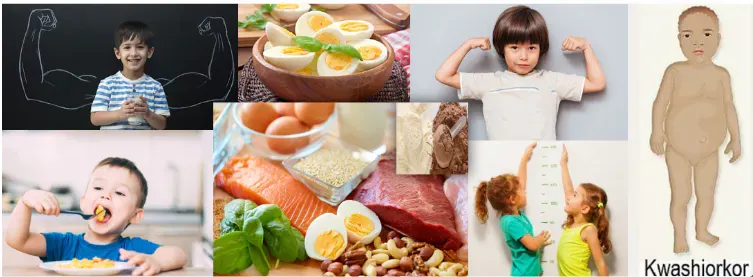
Protein supports growth and normal body functions, but children do not need a “high-protein” diet or powder by default. Offer a varied diet that includes pulses or beans, cereals or millets, nuts or seeds in a safe form, and—depending on the family’s diet—dairy, soy, eggs, fish or meat.
India’s ICMR–National Institute of Nutrition publishes age-specific protein reference values. They are reference numbers for healthy groups, not a diagnosis or a target that every family should calculate meal by meal.1 A child’s needs and feeding plan can differ with body size, growth, activity, illness, food allergy and the quality of the overall diet.
If your concern is poor growth, swelling, weakness, a very restricted diet or difficulty eating, do not assume “protein deficiency” from a symptom list. Ask a pediatrician or pediatric dietitian to assess the child and the whole diet.
How much protein do children need in India?
ICMR–NIN’s 2020 reference table reports both an Estimated Average Requirement (EAR) and a Recommended Dietary Allowance (RDA). The EAR is an estimate expected to meet the requirement of half of healthy people in a group. The RDA is set higher to cover nearly all healthy people in that group. ICMR–NIN says the EAR is the appropriate reference for assessing population adequacy and planning diets for individuals; therefore, the RDA should not be treated as a compulsory minimum for every child.1
| Age group | Reference body weight | EAR | RDA |
|---|---|---|---|
| 1–3 years | 12.9 kg | 10.2 g/day | 12.5 g/day |
| 4–6 years | 18.3 kg | 12.8 g/day | 15.9 g/day |
| 7–9 years | 25.3 kg | 19.0 g/day | 23.3 g/day |
| Boys 10–12 years | 34.9 kg | 26.2 g/day | 31.8 g/day |
| Girls 10–12 years | 36.4 kg | 26.6 g/day | 32.8 g/day |
| Boys 13–15 years | 50.5 kg | 36.4 g/day | 44.9 g/day |
| Girls 13–15 years | 49.6 kg | 34.7 g/day | 43.2 g/day |
| Boys 16–18 years | 64.4 kg | 45.1 g/day | 55.4 g/day |
| Girls 16–18 years | 55.7 kg | 37.3 g/day | 46.2 g/day |
These values were calculated using the reference body weights shown and assumptions about protein quality.1 They are not a personalised prescription. Do not multiply a child’s weight by a number from the internet and use the result to start a supplement.
The familiar online table of 13 g for ages 1–3, 19 g for ages 4–8, 34 g for ages 9–13 and 46/52 g for older girls/boys comes from a different reference system. It should not be presented as the Indian ICMR–NIN table.
What “protein quality” means at home
Protein is made of amino acids. Different foods contribute different amounts and patterns of essential amino acids. ICMR–NIN therefore emphasizes dietary variety and appropriate combinations rather than one “superfood.” Its 2024 guidance describes cereals with pulses, nuts and seeds as a way for vegetarian diets to provide essential amino acids.2
For a family, this can look like ordinary combinations across the day:
- rice with dal, rajma, chana or sambar;
- roti with a pulse, curd, paneer or soy dish;
- idli or dosa with sambar;
- khichdi with curd, if dairy is eaten;
- cereal or millet with beans, peas, soy, nuts or seeds; and
- eggs, fish, chicken or meat alongside grains and vegetables, if the family eats them.
There is no need to label every plant food “incomplete” or make a child eat a precise combination at every meal. The important public message is a sufficiently varied overall diet. Children following a vegan diet, or any highly restricted pattern, should have the whole diet reviewed for protein and other nutrients rather than focusing on protein alone.
Practical protein foods for Indian families
Protein content changes with the variety, recipe, water content, brand and serving actually eaten. A thin bowl of dal is not nutritionally identical to a thick serving made with more pulses; paneer and curd also vary. For that reason, this guide does not attach a universal number of grams to a household bowl, cup or “small handful.”
Pulses, beans and soy
- moong, masoor, arhar/toor, urad and chana dal;
- chickpeas, rajma, lobia, peas and other beans;
- besan and sattu as part of meals or snacks;
- soybeans, tofu, unsweetened soy products and soy chunks, where suitable; and
- pulse-based dishes such as dal, sambar, khichdi, cheela, dhokla or adai.
Change the dish, texture or seasoning without disguising the food or promising that one preparation is “best.” Some children accept a familiar dal before a whole bean; others prefer a dry preparation. Recipe composition matters more than the dish name.
Dairy and eggs, if eaten
- milk and plain curd;
- paneer and cheese in age-appropriate amounts and forms; and
- well-cooked egg.
Milk can contribute protein, but it is not a complete diet. Do not encourage extra milk merely to reach a protein number: a child who fills up on milk may have less appetite for varied family foods, and milk guidance differs by age and health context.
Fish, chicken and meat, if eaten
- fully cooked, deboned fish;
- well-cooked chicken; and
- tender, well-cooked meat in a texture the child can manage.
Remove bones and avoid tough or large pieces for young children. Protein is only one consideration; safe cooking, allergens, food handling and the child’s eating skills also matter.
Nuts and seeds
Peanuts, almonds, walnuts, sesame, pumpkin seeds and other nuts or seeds can contribute protein and other nutrients. For babies and young children, however, whole or chopped nuts and seeds, hard pieces, and chunks or spoonfuls of nut or seed butter can be choking hazards.3
Use a developmentally appropriate form, such as finely ground nut or seed mixed into a familiar food or a thinly spread smooth butter, when it is otherwise appropriate for the child. Introduction of an allergenic food and any previous reaction need their own clinical context; this article is not an allergy-introduction protocol.
Build a balanced meal without counting every gram
Use this as a flexible prompt, not a compulsory plate formula:
- Choose a cereal or millet the family normally eats.
- Add one available protein-contributing food: a pulse or bean dish, soy, dairy, egg, fish, chicken or meat.
- Include vegetables or fruit and enough energy from the overall meal.
- Prepare the texture and shape for the child’s developmental skills.
- Let appetite vary. Look at the pattern across days rather than judging one meal.
Protein cannot compensate for too little food energy or for missing nutrients. ICMR–NIN’s balanced-diet examples include cereals or millets, pulses or beans, vegetables, fruit, nuts, milk or curd, and fats rather than a protein-only menu.2
Vegetarian examples
- vegetable poha with curd and safely prepared ground nuts or seeds;
- idli with sambar;
- dal-rice with a vegetable and curd;
- roti with chana, rajma, tofu, paneer or a pulse-based sabzi;
- khichdi with vegetables and curd;
- besan or moong cheela with a familiar accompaniment; or
- dahi with fruit and a safely prepared seed or nut addition.
Non-vegetarian examples
- egg with roti or dosa and vegetables;
- dal-rice with a small, age-appropriate serving of fish or chicken;
- khichdi plus well-cooked egg; or
- roti with a tender chicken or meat dish and vegetables.
These examples do not define a serving for an individual child. A pediatric dietitian can translate the child’s age, usual appetite, family foods, allergies and growth pattern into a practical plan when needed.
Protein for toddlers and picky eaters
Picky eating does not automatically mean protein deficiency, and it is not by itself a reason to add protein powder. First work out what the child already accepts across a week. Cereal foods, milk or curd, dal in a mixed dish, beans, nut or seed ingredients, egg and other family foods may already contribute protein even when the child refuses an obvious piece of paneer or meat.
Helpful low-pressure approaches include:
- serve a small amount of one protein food beside at least one familiar food;
- keep the food visible and name it honestly instead of secretly hiding it;
- offer different safe forms over time without forcing a bite;
- let the child decide whether and how much to eat from what is offered;
- involve an older child in choosing between two practical options; and
- record accepted foods and patterns before assuming the diet lacks protein.
Seek assessment if the child’s accepted-food list keeps shrinking, entire food groups are absent, meals cause coughing, gagging, pain or distress, the child has a known allergy or chronic condition, or growth is a concern. Those situations may need feeding, medical or dietetic help rather than a higher-protein recipe.
Do active children and young athletes need more protein?
Activity can change a child’s overall energy and nutrition needs, but there is no safe basis here for adding a blanket “10–20% more protein.” Training type, intensity, body size, growth, total energy intake and health all matter.
ICMR–NIN advises obtaining protein and essential amino acids through appropriate food combinations and avoiding protein supplements as a muscle-building shortcut.2 The American Academy of Pediatrics similarly says most young athletes eating a balanced diet do not need or benefit from protein supplements.4 Exercise, adequate food energy, hydration, training and recovery should not be replaced by a powder.
If a child is training intensively, losing weight, restricting food, recovering from injury, following a vegan diet or considering a sports supplement, involve a pediatrician and a qualified sports or pediatric dietitian.
Should children take protein powder?
Not routinely. A powder may be part of an individual plan for a diagnosed condition, inadequate intake or another specific need, but that decision follows assessment. “Picky,” “thin,” “active,” “vegetarian,” “slow to grow” and “just to be safe” are not sufficient online indications.
Before a clinician or dietitian recommends a product, they may need to review:
- why it is being considered and whether food or feeding support can address the problem;
- the child’s growth, usual intake, allergies, medicines and medical conditions;
- protein and energy per actual serving;
- every ingredient, including milk, soy, nuts or other allergens;
- added sugar, sweeteners, stimulants, vitamins, minerals and herbal ingredients;
- the age statement, serving instructions, warnings, storage and expiry; and
- how long it will be used and what outcome will trigger review or stopping.
FSSAI specifies standards for health supplements and related categories in India.5 A licence, compliant category or child-themed label does not show that a product is needed, suitable or effective for one child. We do not recommend “best protein powder” brands without evaluating the exact formulation, evidence and regulatory category.
Do not use an adult gym product for a child or copy a dose from another child, coach, influencer or product review. Store powders and supplements out of children’s reach.
Do symptoms prove protein deficiency?
No. Tiredness, frequent illness, hair or nail changes, slow wound healing, poor appetite and slow growth have many possible causes. A web checklist cannot identify the nutrient, illness or feeding problem responsible.
Prompt medical assessment is important for:
- weight loss, visible wasting or a child falling away from their established growth pattern;
- swelling of both feet or more general swelling;
- persistent weakness, lethargy or reduced activity;
- ongoing diarrhoea, vomiting, abdominal symptoms or poor appetite;
- difficulty chewing or swallowing, coughing during meals, pain or repeated choking; or
- a severely restricted diet, especially with a chronic illness or multiple food allergies.
WHO assesses severe acute malnutrition using measurements and clinical findings, including bilateral pitting oedema—not a self-diagnosed list of “protein deficiency signs.”6 A clinician should assess the whole child. Do not try to treat these findings by adding protein powder while delaying care.
Questions parents ask
Is 13 grams the protein target for every toddler?
No. The commonly quoted 13 g figure belongs to a non-Indian reference table. ICMR–NIN’s 2020 table reports an EAR of 10.2 g/day and an RDA of 12.5 g/day for its reference 1–3-year-old group.1 Neither number is a diagnosis or a universal meal-by-meal minimum. Individual needs and the food pattern still matter.
Can a vegetarian child get enough protein?
Yes, a well-planned vegetarian diet can provide protein through varied cereals or millets, pulses, beans, soy, nuts, seeds and dairy if eaten.2 A vegan or highly restricted diet deserves a broader nutrient review; protein is not the only nutrient to consider.
Does my child need protein at every meal?
It can be practical to offer a protein-contributing food regularly, but one missed component or one small meal does not create deficiency. Look at variety and intake over time rather than making each meal pass a protein test.
Does extra protein make children taller?
Adequate nutrition supports normal growth, but extra protein cannot promise greater height. Growth reflects genetics, total diet, health, hormones, sleep and other factors. A child whose growth is concerning needs proper measurement and assessment rather than a “height protein” product.
Is sprouted moong higher in protein?
Sprouting changes a food in several ways, but this page should not promise “higher protein” or “better absorption” without specifying the food, dry-versus-cooked comparison and evidence. Use sprouts only when hygienically prepared and suitable for the child’s age; ordinary cooked dals and beans remain useful options.
What should I take to a diet appointment?
Bring the child’s recent growth record, a three-day record or photos of usual foods and drinks, the accepted-food list, allergy and medical history, and photographs of every supplement label. This is more useful than asking for a generic “high-protein chart.”
This article provides general information and does not replace individual medical advice.
Sources
Footnotes
-
ICMR–National Institute of Nutrition. A Brief Note on Nutrient Requirements for Indians, the Recommended Dietary Allowances (RDA) and the Estimated Average Requirements (EAR), 2020. See the explanation of EAR/RDA and Table 2a. Accessed 13 September 2026. ↩ ↩2 ↩3 ↩4
-
ICMR–National Institute of Nutrition. Dietary Guidelines for Indians 2024. See Guidelines 5 and 8 and the balanced-diet tables. Accessed 13 September 2026. ↩ ↩2 ↩3 ↩4
-
US Centers for Disease Control and Prevention. Choking Hazards. Updated 11 March 2026. Accessed 13 September 2026. ↩
-
American Academy of Pediatrics. Performance-Enhancing Sports Supplements: Information for Parents. Updated 29 July 2024. Accessed 13 September 2026. ↩
-
Food Safety and Standards Authority of India. Health Supplements. Last updated 6 August 2026. Accessed 13 September 2026. ↩
-
World Health Organization. WHO guideline on the prevention and management of wasting and nutritional oedema in infants and children under 5 years. 29 December 2023. Accessed 13 September 2026. ↩
Continue with this topic
A useful next step
Browse nutrition and feeding articles Explore practical guidance for babies, toddlers and older children.Starting Solids? We Can Help!
Expert-guided nutrition plans for your baby.
Explore Nutrition Program