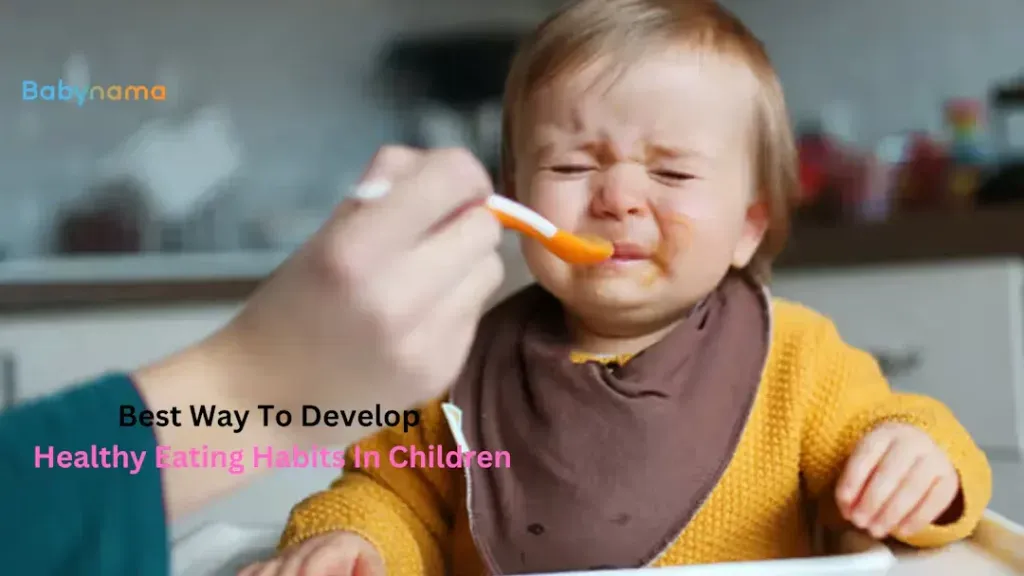
Quick Answer: Start early - introduce variety from 6 months, eat together as a family, be a role model, don’t force food, and keep mealtimes positive. Avoid using food as reward/punishment. Offer healthy options and let children decide how much to eat. Patience is key - it can take 10-15 exposures before a child accepts a new food. Make healthy eating the norm, not a battle.
Why Early Eating Habits Matter
Eating habits formed in childhood often persist into adulthood. Children who learn to enjoy varied, nutritious foods early are more likely to maintain healthy eating throughout life.
The Foundation Years
| Age | Key Focus |
|---|---|
| 6-12 months | Introducing variety, textures |
| 1-3 years | Establishing routines, exploring |
| 3-6 years | Family meals, preferences forming |
| 6+ years | Understanding nutrition, independence |
Golden Rules for Healthy Eating
1. Division of Responsibility
| Parent’s Job | Child’s Job |
|---|---|
| What food is offered | Whether to eat |
| When meals are served | How much to eat |
| Where eating happens | Which offered foods to choose |
This approach reduces mealtime battles and helps children develop natural hunger cues.
2. Family Meals Matter
Eating together as a family:
- Models healthy eating
- Creates positive food associations
- Allows children to see parents eating vegetables
- Makes mealtimes enjoyable, not stressful
- Encourages trying new foods
3. No Pressure, No Force
| Don’t Do This | Do This Instead |
|---|---|
| ”Finish your plate" | "Eat until you’re full" |
| "No dessert until you eat vegetables” | Serve dessert with meal in small portion |
| ”Just one more bite" | "Your tummy knows when it’s full” |
| Force feeding | Offer and move on |
Age-by-Age Guide
6-12 Months: The Introduction Phase
Goals:
-
Expose to variety of flavors and textures
-
Let baby explore food
-
Establish positive mealtime environment Tips:
-
Start with single foods, then combinations
-
Offer food when baby is alert and hungry
-
Let baby touch and play with food
-
Don’t rush - mealtimes take time
-
Continue offering rejected foods (without pressure)
1-3 Years: The Exploration Phase
Characteristics:
-
Neophobia (fear of new foods) peaks
-
Appetite varies day to day
-
Strong preferences developing
-
“Picky eating” common Tips:
-
Keep offering variety even if rejected
-
Serve family meals together
-
Make mealtimes routine (same time, same place)
-
Avoid short-order cooking (making separate meals)
-
Small portions - let them ask for more
3-6 Years: Building Habits
Goals:
-
Eating with family regularly
-
Understanding “sometimes foods” vs “everyday foods”
-
Developing preferences within healthy range Tips:
-
Involve children in food prep
-
Visit farms or gardens
-
Talk about where food comes from
-
Let them choose between healthy options
-
Don’t label foods “good” or “bad”
Practical Strategies That Work
Make Healthy Foods Appealing
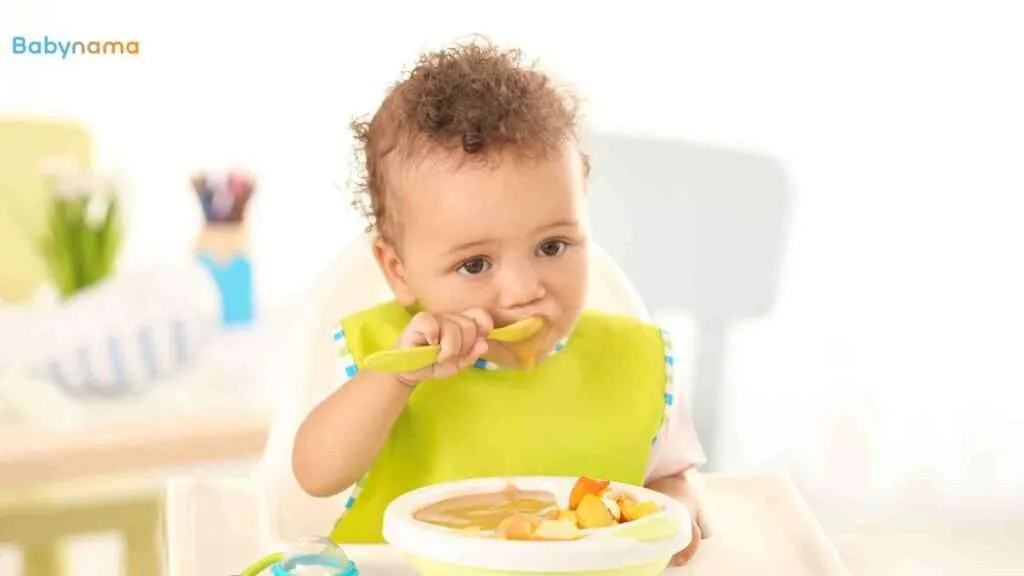
| Strategy | Example |
|---|---|
| Fun presentation | Faces with vegetables, dipping sauces |
| Involvement | Let kids help cook and serve |
| Choice | ”Carrots or beans with dinner?” |
| Availability | Keep cut fruits/vegetables accessible |
| Pairing | Serve new foods with favorites |
Handle Picky Eating
Normal Behaviors:
-
Food jags (wanting same food repeatedly)
-
Refusing previously liked foods
-
Only eating certain colors/textures
-
Variable appetite What Helps:
-
Continue offering variety without pressure
-
Serve small portions of new foods
-
Let child see you enjoying the food
-
Allow self-serving when appropriate
-
Keep mealtimes pleasant What Doesn’t Help:
-
Bribing or rewarding
-
Forcing or punishing
-
Making separate meals
-
Giving up on offering variety
The “One Bite” Rule - Alternative Approach
Instead of forcing bites:
- “You don’t have to eat it, but it stays on your plate”
- “Touch it, smell it, or lick it if you want”
- No pressure, just exposure
- Eventually, curiosity often leads to tasting
Creating a Healthy Food Environment
At Home
| Do | Don’t |
|---|---|
| Stock healthy options | Keep junk food visible |
| Make water the default drink | Offer juice with every meal |
| Eat at the table | Eat in front of screens |
| Have regular meal times | Allow constant grazing |
Smart Snacking
Offer structured snacks 2-3 times per day:
- Fresh seasonal fruit (banana, papaya, apple) with curd
- Roasted chana, dhokla, or idli with sambar
- Ragi or suji cheela, vegetable upma, poha
- Curd rice, dal-rice, or khichdi
- Paneer or boiled-egg cubes
Choking safety: Whole nuts and hard, round foods (whole grapes, hard chana) are a choking risk for children under about 5 years. Serve nuts as smooth nut butter or finely powdered, and cut grapes lengthwise. Always supervise young children while they eat.
Avoid:
- Constant snacking that ruins meal appetite
- Packaged snacks as default
- Juice boxes and sugary drinks
Dealing with Junk Food
You can’t (and shouldn’t) ban all treats. Instead:
- Make healthy foods the norm at home
- Treat occasional sweets as normal, not special
- Don’t use treats as reward
- Teach balance over restriction
- Model enjoying treats moderately
Common Challenges and Solutions
”My child won’t eat vegetables”
Try:
- Different preparations (raw, roasted, in soup)
- Dipping sauces (hummus, yogurt)
- Mixed into favorite foods
- Eating vegetables yourself
- Growing vegetables together
- Keeping vegetables visible and accessible
”My child only wants junk food”
Steps:
-
Reduce availability at home
-
Don’t make it forbidden (increases desire)
-
Serve balanced meals including treats occasionally

-
Model eating healthy yourself
-
Be patient - preferences shift
”Mealtimes are battles”
Reset approach:
- Serve what you’re serving
- Let child decide what/how much to eat from what’s offered
- No special meals
- No pressure or bribing
- Remove uneaten food without comment
- Next eating opportunity at scheduled snack/meal
”My child barely eats anything”
Consider:
- Is growth on track? (Check growth charts)
- Too many snacks or liquids between meals?
- Meals too stressful?
- Portion sizes appropriate?
- Any medical issues? (See doctor if concerned)
Foods to Focus On
Nutrient-Dense Options
| Category | Examples |
|---|---|
| Whole grains | Brown rice, oats, whole wheat roti |
| Protein | Eggs, dal, paneer, chicken, fish |
| Dairy | Milk, yogurt, cheese |
| Vegetables | All colors! Leafy greens, root vegetables |
| Fruits | Fresh, seasonal fruits |
| Healthy fats | Ghee, nuts, seeds, avocado |
Foods to Limit (Not Ban)
- Sugary cereals and drinks
- Deep-fried foods
- Processed snacks
- Excessive salt
- Foods high in added sugar
Involving Children in Food
Age-Appropriate Tasks
| Age | Tasks |
|---|---|
| 2-3 years | Washing vegetables, stirring, tearing leaves |
| 4-5 years | Measuring, pouring, mixing |
| 6-8 years | Simple cutting (supervised), following recipes |
| 9+ years | More independent cooking with supervision |
Benefits of Involvement
- More likely to try foods they helped make
- Develops life skills
- Creates positive food associations
- Teaches where food comes from
- Quality time together
Frequently Asked Questions
Q: How do I handle grandparents who give too many sweets?
A: Have a gentle conversation about your approach. Suggest non-food ways to show love. Some treats at grandparents’ house are okay - focus on what happens at home daily.
Q: Should I hide vegetables in food?
A: Adding vegetables to foods is fine, but don’t rely only on this. Children also need to see and recognize vegetables to develop acceptance. Do both!
Q: My child loved something last week and now refuses it - why?
A: This is very common. Children’s preferences fluctuate. Continue offering without pressure. It will likely come back into favor.
Q: Is it okay if my child eats the same thing for days?
A: Food jags are normal in toddlers. Continue offering variety alongside the favorite. Don’t make a big deal of it - this phase usually passes.
Q: How do I know if my picky eater needs help?
A: See a doctor if: severe food restriction, poor weight gain, extreme anxiety around food, gagging/vomiting with textures, or eating less than 20 foods.
Key Takeaways
- Parents provide, children decide - Offer healthy options, let them choose
- Model good eating - Children copy what they see
- Keep trying - 10-15 exposures may be needed
- No pressure - Force backfires
- Family meals - Eat together when possible
- Patience - Habits take time to develop
- Healthy environment - Stock your home with good options
This article was reviewed by Babynama Pediatricians. Last updated: January 2026
Need personalized guidance? Book a consultation with our pediatricians or explore our Care Plans for 24/7 expert support!
Related Tools
General information for Indian parents, not a substitute for your pediatrician. In an emergency, call 112 or 108.
Continue with this topic
A useful next step
Browse nutrition and feeding articles Explore practical guidance for babies, toddlers and older children.Starting Solids? We Can Help!
Expert-guided nutrition plans for your baby.
Explore Nutrition Program