Quick Answer
At 10 months, your baby is likely cruising along furniture, picking up tiny things with a developing pincer grasp, and communicating with claps, waves, and expressive babbling. This month is about refinement — movements get smoother, understanding of your words deepens, and personality really starts showing. The 8-10 month sleep regression should be easing up.
Development Milestones This Month
Movement & Motor Skills
Cruising is the headline skill this month. Your baby holds onto furniture and walks sideways — this is the step between pulling to stand and walking independently. Some babies cruise for weeks before letting go; others barely cruise before taking off.
- Cruising along furniture — moving sideways holding on to sofas, tables, beds
- Brief standing — some babies let go and stand for a second or two before grabbing on again
- Pincer grasp developing — thumb and forefinger working together to pick up small pieces of food, bits of lint, anything tiny on the floor (baby-proof carefully)
- Crawling speed — if your baby crawls, they’re fast now
Language & Communication
Your baby understands far more than they can say. They recognize the names of familiar people, pets, and objects. They respond to simple phrases like “Where’s Papa?” by looking in the right direction. Babbling has melodic patterns — it sounds like a foreign language with question marks and exclamation points.
Social & Emotional
Clapping and waving are social milestones — your baby is learning that gestures communicate meaning. They clap when excited (or when you clap), wave bye-bye (sometimes at the wrong time), and play the “drop it, you pick it up” game with endless patience.
Separation anxiety is still present but generally less intense than at 9 months. Your baby is starting to trust that you return.
Feeding Guide
Expanding Textures
At 10 months, your baby’s food should be getting chunkier. Move from smooth mashes to soft lumps, small pieces, and more variety. This is important for developing chewing skills and accepting different textures later.
Indian Foods to Introduce
| Food | How to Serve | Notes |
|---|---|---|
| Dosa | Torn into small pieces, with mild chutney or sambar | Good practice for chewing |
| Upma | Soft, slightly lumpy | Rava + veggies, mild spices fine |
| Poha | Soft flattened rice with peas and mild seasoning | Easy to pick up |
| Paratha pieces | Small torn pieces, stuffed with aloo or paneer | Good finger food, filling |
| Curd/dahi | Plain or with mashed fruit | Probiotics, calcium, protein |
| Dal with rice | Slightly chunky, not fully mashed | Transition from puree to real texture |
| Chicken/fish | Shredded or flaked, boneless | Excellent protein and iron source |
Pincer Grasp Practice Foods
Since the pincer grasp is developing, offer foods that encourage it:
- Small pieces of soft paneer
- Cooked peas
- Small banana pieces
- Soft chickpeas (chole, cooked very soft, lightly mashed)
- Cheerios or puffed rice
Self-Feeding
By now, your baby should be self-feeding finger foods at every meal. Yes, most of it ends up on the floor, face, and hair. This is developmental practice, not waste. Offer a preloaded spoon too — baby will grab it and try to get it into their mouth.
Sleep This Month
Total sleep: 12-14 hours Night sleep: 10-11 hours Naps: 2 naps (some babies briefly resist the second) Wake windows: 2.5-3.5 hours
Sleep Regression Resolving
The 8-10 month regression should be easing. If it’s not:
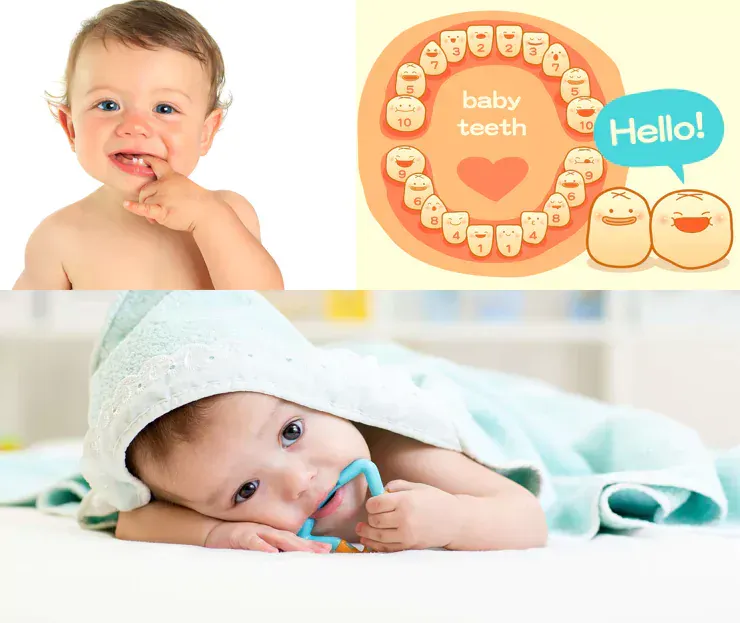
- Check if teething is the ongoing disruptor — central incisors (8-12 months) can cause intermittent night waking
- Ensure wake windows are long enough — an overtired baby and an undertired baby both fight sleep
- Keep bedtime routine consistent — bath, milk, book, song, same every night
Some babies briefly resist the second nap around this age. If they do, try pushing the first nap a bit later rather than dropping to one nap. Most babies aren’t ready for one nap until 14-18 months.
Common Concerns
“My baby isn’t standing yet — is that OK?”
Yes. The range for pulling to stand is 8-12 months. Some babies cruise at 9 months; others don’t pull up until 11. As long as your baby is weight-bearing on their legs when you hold them upright and showing interest in getting mobile, they’re on track.
“Baby puts everything in their mouth”
This is normal and developmental. Mouthing is one of the primary ways babies explore objects at this age — they learn about texture, shape, and size through their mouth. It decreases naturally around 12-18 months. Your job is to keep small, dangerous objects (coins, button batteries, whole nuts, marbles) out of reach.
Choking caution while self-feeding: Stay within arm’s reach at every meal and keep your baby sitting upright (never feed a reclined or moving baby). Round, firm foods are the biggest risk — quarter grapes lengthwise, cut sausage/grapes/cherry-sized pieces small, avoid whole nuts, popcorn, hard chunks of raw apple/carrot, and large blobs of nut butter. Know infant choking first aid (back blows and chest thrusts) before starting finger foods.
Teething at 10 Months
Upper central incisors often come in around this time. Baby may be drooling more, gnawing on everything, and occasionally irritable. Teething pain is usually mild and intermittent — if your baby seems to be in significant pain, or has fever, poor feeding, or looks unwell, it is likely something else and should be checked, not blamed on teething.
For relief, a clean finger or a chilled (not frozen) teething ring works well. Do not use teething gels containing benzocaine or lidocaine — the FDA and IAP advise against them because in babies they can cause methemoglobinemia (a dangerous drop in blood oxygen) and, with lidocaine, seizures. Homeopathic “teething tablets” and amber teething necklaces are also not recommended (necklaces are a strangulation and choking risk).
Babyproofing Check
With cruising happening, do another round of baby-proofing:
- Secure furniture that could tip over (bookshelves, TV units)
- Cover electrical outlets
- Move cords, wires, and small objects out of reach
- Gate stairs (top and bottom)
- Check that nothing is reachable from the cruising height
When to See a Doctor
See your pediatrician if your 10-month-old:
- Cannot sit independently
- Makes no attempt to move (no crawling, scooting, rolling, or pulling up)
- Does not bear weight on legs when held standing
- Has no babbling — completely silent or only vowel sounds
- Does not respond to their name consistently
- Shows no gestures (no pointing, waving, reaching)
- Does not show interest in where hidden objects go
- Has lost skills they previously had
- Has persistent feeding difficulties or refusal
🚨 Call 112 (national emergency) or 108 (ambulance), or go to the nearest hospital, if you see: difficulty/noisy breathing; swelling of face/lips/tongue; widespread hives with vomiting; pale/grey/blue skin; floppiness/unresponsiveness; choking that doesn’t clear; or a seizure. If an adrenaline auto-injector is prescribed, use it first, then go.
Aapke Sawaal
Baby sirf ek hi cheez khaana chahta hai — kya kare?
10 months mein food preferences shuru hoti hain. Agar baby sirf roti ya sirf banana khaana chahta hai, toh bhi naye foods offer karte raho — bina force kiye. Ek food 10-15 baar offer karna pad sakta hai pehle baby accept kare. Ek meal mein known food + naya food saath mein do. Reject ho toh chhodh do, kal phir try karo. Patience rakho — ye phase hai, permanent nahi.
Baby raat ko baar baar uthta hai — teething hai ya kuch aur?
Agar 8-10 month regression chal rahi hai toh ye common hai. Check karo: kya baby standing position mein uthta hai crib mein? (Motor skill practice.) Kya drooling zyada hai aur gums soojhe hue hain? (Teething.) Kya aap room se nikalte ho toh rota hai? (Separation anxiety.) Teeno saath mein ho sakte hain. Consistent bedtime routine rakho, baby ko wapas lita ke soothe karo, 2-6 weeks mein improve hoga.
Pincer grasp kab tak develop hona chahiye?
Pincer grasp (thumb + forefinger se chhoti cheez uthana) 9-12 months mein develop hota hai. 10 months mein developing hona chahiye — matlab baby try kar raha hai, perfect nahi hoga abhi. Agar 12 months tak baby chhoti cheez uthane ki koshish bhi nahi kar raha, toh pediatrician se baat karo.
Real Questions from Indian Mothers
These are real questions asked by parents in the Babynama community, answered by our pediatricians.
“Can we use dates date powder cinamon walnut for 10 month baby”
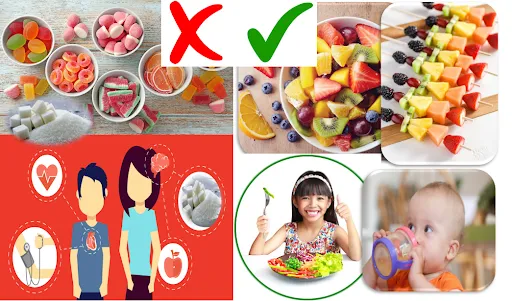
No salt or sugar in any form until 1 year of age. Can add other spices. No dates, jaggery, palm sugar until 1 year of age ideally. Can use fruits as natural sweeteners like banana and apple
“Can we give biscuits to 11 months baby??”
It is not advisable to give processed sugar containing ready made food items. Give homemade fresh foods. If it is preservatives, sugar free,homemade u can give
“9 months old baby likes only to eat curd at lunch is it sufficient or should khichdi as well”
Picky eating is normal at this age, let baby choose what to eat. Offer variety, but avoid any force feeding. Give 3-4 major meals plus 2 healthy snacks
General information for Indian parents, not a substitute for your pediatrician. In an emergency, call 112 or 108.