Quick Answer
At 11 months, your baby is on the edge of toddlerhood. Some babies take their first independent steps this month; many don’t, and that is well within the normal range (walking range is 9-18 months). “Mama” and “dada” are becoming purposeful — used for the right person. Your baby understands far more than they say, follows simple commands, and imitates your actions. Food is transitioning to what the family eats, cut small.
Development Milestones This Month
Movement & Motor Skills
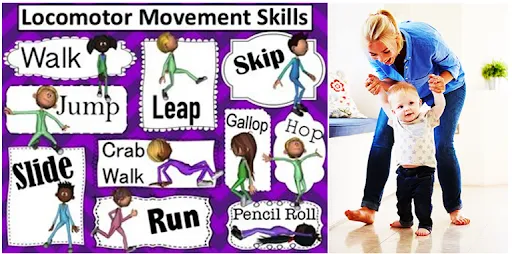
Cruising is confident now. Your baby walks along furniture smoothly, may transfer between pieces of furniture with a step or two in between, and can squat to pick something up without falling. Some babies let go and take independent steps — wobbly, arms up for balance, 2-3 steps before sitting down. Others are perfectly content cruising and won’t walk independently for another 1-4 months.
Walking timeline anxiety is real for parents but usually unfounded. The normal range for independent walking is 9-18 months. A baby who walks at 15 months is just as much on track as one who walks at 10 months.
Language & Communication
This is the month where “mama” and “dada” often become true words — used intentionally for the right person, not just babble. Your baby may have 1-3 other words, often unclear to anyone except the primary caregivers (“ba” for ball, “nana” for banana, “wawa” for water). They understand significantly more — probably 20-50 words — and follow simple directions especially with gestures.
Social & Emotional
Your baby is a little scientist this month. They do something, then look at your face to gauge your reaction. They push food off the tray and watch you. They reach for the remote and check if you’re watching. This is testing boundaries — it’s cognitive development, not misbehavior.
Imitation is increasingly sophisticated. Your baby pretends to talk on the phone, stirs with a spoon, tries to brush their hair with a brush. They understand that objects have specific functions.
Feeding Guide
Transition to Family Foods
At 11 months, your baby should be eating what the family eats — just cut smaller and a bit softer. There’s no need for separate “baby food” anymore unless certain dishes are very spicy or salty.
What a Day of Eating Looks Like
| Meal | Example |
|---|---|
| Breakfast | Roti torn into pieces with dal, or paratha with curd, or idli with sambar |
| Mid-morning snack | Banana slices, or cheese cubes, or ragi biscuit |
| Lunch | Rice + dal + sabzi (lauki, aloo, palak — whatever family is eating), cut soft |
| Afternoon snack | Steamed sweet potato sticks, or curd with mashed fruit, or a small dosa |
| Dinner | Khichdi with ghee, or roti + sabzi, or upma with veggies |
Breast milk/formula continues alongside meals — on demand for breastfed babies, ~500-600 ml formula per day for formula-fed babies.
Foods to Avoid Until 12 Months
- Honey — risk of infant botulism until 12 months
- Whole cow’s milk as main drink — OK in cooking, not as a milk substitute yet
- Whole nuts — choking hazard (nut powders and butters are fine)
- Whole grapes, cherry tomatoes — cut lengthwise, never whole
- Added salt and sugar — keep minimal
Always seat your baby upright and supervise every meal. If your baby chokes — silent, unable to cry or cough, or turning pale/blue — start back blows and chest thrusts and call 108 (ambulance) or 112 immediately. Coughing means the airway is still open; let them cough it out.
Sleep This Month
Total sleep: 12-14 hours Night sleep: 10-11 hours Naps: 2 naps (second nap may shorten) Wake windows: 3-3.5 hours
Most 11-month-olds are on a solid 2-nap schedule. Some days the second nap may be short (30-45 minutes) — that’s fine. Don’t drop to 1 nap yet. Most babies aren’t ready for the 2-to-1 nap transition until 14-18 months.
If your baby fights the second nap consistently for 2+ weeks, try pushing the first nap later (10:00-10:30 AM instead of 9:00 AM) before dropping it entirely.
Common Concerns
“My baby isn’t walking yet — should I worry?”
No. The normal range for independent walking is 9-18 months. At 11 months, most babies are not yet walking independently. If your baby is pulling to stand, cruising, and bearing weight on their legs, they are on track. Walking will come when their balance and confidence are ready.
Do not use walkers (the kind baby sits in and scoots around). They’re dangerous (fall risk, access to hazards) and can actually delay walking by encouraging the wrong muscle patterns. Push toys (baby stands behind and pushes) are fine.
“Baby bites while breastfeeding”
Common at this age — baby has teeth and is experimenting. When baby bites, unlatch immediately and say “no biting” firmly but calmly. Put baby down briefly. They learn quickly that biting ends the feeding. Don’t yell or react dramatically — some babies find big reactions entertaining and bite more.
Boundary Testing
Your baby deliberately does things and watches your reaction. They throw food off the tray, crawl toward the TV, grab your glasses. This is not defiance — it’s cognitive development. They’re learning cause and effect, and your reactions are the data.
Respond consistently: brief, calm “no”, redirect to something appropriate. Save big reactions for actual danger (heading toward stairs, reaching for something hot).
When to See a Doctor
See your pediatrician if your 11-month-old:
- Is not pulling to stand at all
- Cannot sit independently
- Has no babbling with consonant sounds (ba, da, ma, ga)
- Does not respond to their name
- Shows no gestures (no pointing, waving, reaching, or showing)
- Does not understand any words
- Does not imitate any actions or sounds
- Shows no interest in other people
- Has lost skills they previously had
Aapke Sawaal
Baby abhi tak chal nahi raha — normal hai kya?
Haan, bilkul normal hai. Walking ka normal range 9-18 months hai. 11 months mein zyada tar babies walk nahi karte. Agar baby furniture pakad ke khada ho raha hai, cruising kar raha hai, aur legs pe weight bear kar raha hai — toh sab theek hai. Walker mat use karo (jismein baby baithke ghoomta hai) — ye dangerous hai aur walking delay kar sakta hai. Push toys (baby khada hoke push kare) OK hain.
Baby khaana neeche phenkta hai — kya kare?
Ye 11 months mein bahut common hai. Baby cause-and-effect seekh raha hai — “main phenkta hoon, cheez neeche girti hai, mummy uthati hai.” Ye experiment hai, badtameezi nahi. Thoda khaana do plate mein, zyada mat rakho. Jab phenke toh calmly bolo “khaana neeche nahi phenko” aur ignore karo. Agar consistently phenkna shuru kare toh meal khatam karo — “lagta hai pet bhar gaya.” 2-3 hafte mein samajh jaayega.
Kitne words hone chahiye 11 months mein?
1-3 words hona common hai, lekin 0 words bhi normal ho sakta hai. “Mama”, “dada”, “ba” (ball ke liye), ya koi consistent sound jo ek specific cheez ke liye use kare — ye sab “words” count hote hain. Important ye hai ki baby babble kare consonant sounds ke saath aur simple words samjhe (jaise “no”, “bye-bye”). Agar 12 months tak ek bhi word nahi hai aur gestures bhi nahi hain (pointing, waving), toh doctor se baat karo.
Real Questions from Indian Mothers
These are real questions asked by parents in the Babynama community, answered by our pediatricians.
“Can we use dates date powder cinamon walnut for 10 month baby”
No salt or sugar in any form until 1 year of age. Can add other spices. No dates, jaggery, palm sugar until 1 year of age ideally. Can use fruits as natural sweeteners like banana and apple
“Can we give biscuits to 11 months baby??”
It is not advisable to give processed sugar containing ready made food items. Give homemade fresh foods. If it is preservatives, sugar free,homemade u can give
“9 months old baby likes only to eat curd at lunch is it sufficient or should khichdi as well”
Picky eating is normal at this age, let baby choose what to eat. Offer variety, but avoid any force feeding. Give 3-4 major meals plus 2 healthy snacks
General information for Indian parents, not a substitute for your pediatrician. In an emergency, call 112 or 108.