Quick Answer
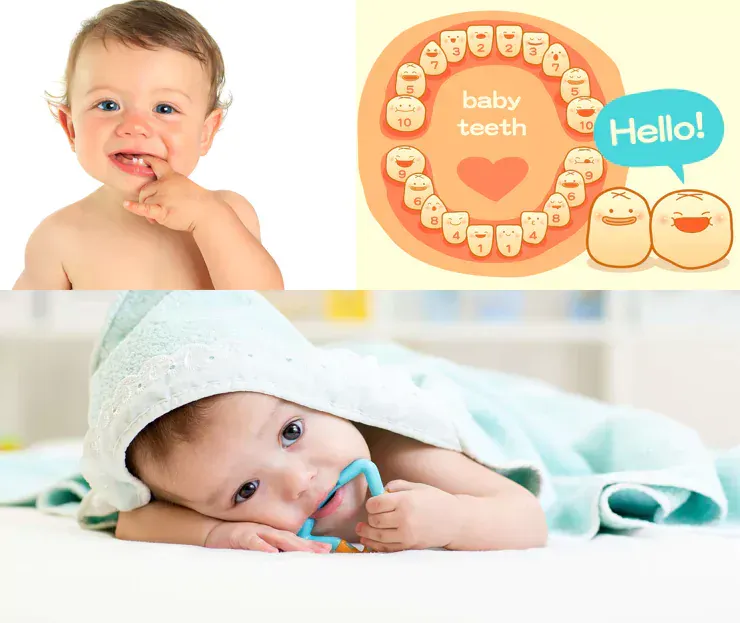
Teething (daat aana) is uncomfortable but temporary - and there’s a lot you can do to help! Most babies start teething between 4-7 months, though timing varies widely. Symptoms include drooling, irritability, and wanting to chew everything. Safe remedies include cold teething toys, gum massage, and age-appropriate pain relief. Importantly: high fever, diarrhea, and severe symptoms are NOT normal teething signs - see a doctor if these occur.
When Do Teeth Come? (Daat Kab Aate Hain)
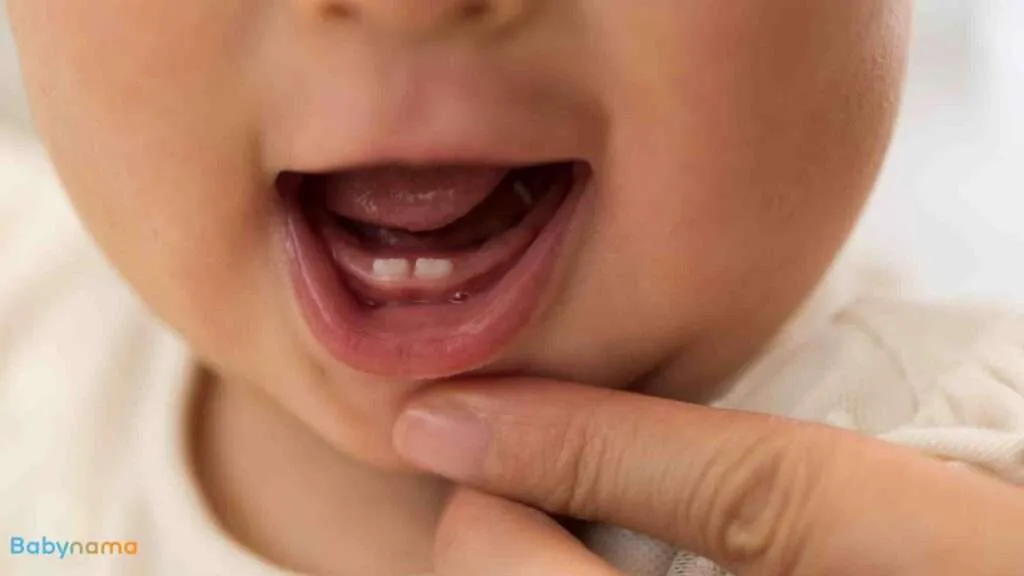
Typical Teething Timeline
| Teeth | Typical Age | Notes |
|---|---|---|
| Lower front teeth (central incisors) | 6-10 months | Usually first to appear |
| Upper front teeth (central incisors) | 8-12 months | Usually second |
| Upper lateral incisors | 9-13 months | Beside front teeth |
| Lower lateral incisors | 10-16 months | Beside front teeth |
| First molars | 13-19 months | Back teeth - often more painful |
| Canines (eye teeth) | 16-23 months | Pointed teeth |
| Second molars | 23-33 months | Back-most baby teeth |
Important: These are averages! Your baby may be earlier or later - both are normal.
What’s Normal?
- Early teething: Some babies get first tooth at 3-4 months
- Late teething: Some babies don’t get first tooth until 12-14 months
- Family pattern: Teething timing often runs in families
- Full set: All 20 baby teeth usually by age 3 Don’t worry if: Your baby is 10+ months with no teeth - usually just late bloomer. Mention to pediatrician at next visit but usually no concern.
Teething Symptoms (Daat Aane Ke Lakshan)
Normal Teething Symptoms
What to expect:
| Symptom | Why It Happens | What to Do |
|---|---|---|
| Drooling (raal aana) - excessive | Saliva production increases | Bib, wipe gently, apply barrier cream |
| Chewing everything | Pressure helps pain | Provide safe teething toys |
| Swollen, red gums | Tooth pushing through | Gum massage, cold items |
| Irritability, fussiness (chidhchidha) | Discomfort and pain | Comfort, pain relief if needed |
| Disturbed sleep (neend kharab) | Pain worse at night | Comfort, pain relief before bed |
| Ear pulling/cheek rubbing | Pain refers to these areas | Normal, doesn’t mean ear infection |
| Slightly reduced appetite | Gums sore | Offer cool foods, continue feeding |
| Low-grade fever (below 100.4F/38C) | Mild inflammation | Monitor, should be brief |
| Drool rash | Saliva irritates skin | Keep dry, barrier cream |
What’s NOT Normal Teething
These symptoms need doctor visit - they’re NOT from teething:
| Symptom | Why It’s Concerning |
|---|---|
| High fever (above 100.4F/38C) | Likely infection, not teething |
| Diarrhea/loose stools (loose motion) | Not caused by teething |
| Severe vomiting | Not a teething symptom |
| Rash on body (not just face) | Not teething related |
| Inconsolable crying for hours | Something else is wrong |
| Refusing all feeds | May be ill |
| Lethargy, unusual drowsiness | Sign of illness |
Common myth: “Daat aane se loose motion hota hai” - This is NOT true! Research shows teething does NOT cause diarrhea. If your baby has diarrhea, look for other causes (infection, food). (AAP / Pediatrics teething symptom evidence: teething does not cause diarrhoea or high fever.)
In a baby under 3 months, never assume even a mild temperature is from teething — get it checked.
Signs of Dehydration — See a Doctor
If your baby is feeding less during teething, watch for these danger signs:
- Fewer or no wet nappies for 6–8 hours
- No tears when crying
- Sunken eyes or a sunken soft spot (fontanelle)
- Dry mouth
- Unusual sleepiness, floppiness or lethargy
If you see these, give breast milk/formula and an ORS like Electral or WHO-ORS, and see a doctor the same day.
Step-by-Step: Soothing Teething Pain
Step 1: Cold Items (Thanda Lagaao)
Cold numbs the pain - very effective!
Safe cold options:
-
Cold teething ring - Refrigerate (NOT freeze - too hard)
-
Cold wet washcloth - Wet, wring out, refrigerate
-
Chilled spoon - Metal spoon from fridge
-
Frozen fruit in mesh feeder - For 6+ months (started solids)
-
Banana, mango, apple work well
-
Cold water in sippy cup - For babies drinking water Safety tips:
-
Refrigerate, don’t freeze (frozen items too hard, can hurt gums)
-
Always supervise with any teething item
-
Check for cracks or damage regularly
Step 2: Gum Massage (Masoode Ko Malish)
Pressure on gums provides relief!
How to do it:
- Wash your hands thoroughly
- Use clean finger (or clean cold washcloth)
- Gently rub baby’s gums in circular motion
- Focus on areas that seem most swollen
- Let baby bite down on your finger if they want Tip: Some babies love this, others don’t. Follow your baby’s cues.
Step 3: Safe Teething Toys (Teething Toys)
What to look for:
-
BPA-free, non-toxic materials
-
Easy for baby to hold
-
Different textures
-
Can be refrigerated Good options in India:
-
Fisher-Price teethers
-
Mee Mee teething rings
-
LuvLap teethers
-
Pigeon teething toys
-
Silicone teethers Avoid:
-
Amber teething necklaces (choking hazard, no proven benefit)
-
Teething jewelry (choking hazard)
-
Anything that can break into small pieces
Step 4: Distraction and Comfort
Sometimes the best medicine is comfort!
- Extra cuddles and holding
- Feeding (breastfeeding is comforting)
- Play and distraction
- Going outside for change of scene
- Cool bath
Step 5: Pain Relief Medication (When Needed)
When home remedies aren’t enough:
Safe options:
| Medicine | Age | Dose | Notes |
|---|---|---|---|
| Paracetamol (Crocin, Calpol) | 3+ months (under 3 months: do NOT give any medicine without seeing a doctor first) | Weight-based - ask pediatrician | Can give every 4-6 hours |
| Ibuprofen (Brufen) | 6+ months | Weight-based - ask pediatrician | Can give every 6-8 hours |
A baby under 3 months who seems to be in pain or has any fever needs to be seen by a doctor the same day, not medicated at home. True tooth eruption rarely begins before about 4 months, so a sub-3-month-old in pain is almost never just teething.
⚠️ In a baby under 3 months, ANY fever of 100.4°F (38°C) or higher is a medical emergency — see a doctor the same day, even at night. Do not give paracetamol and wait. This applies even after a vaccine.
Paracetamol is dosed by your baby’s weight, not age: 15 mg/kg per dose, no more often than every 4–6 hours, maximum 4 doses (60 mg/kg) in 24 hours. Syrup strengths differ — Calpol/Crocin come as 120 mg/5 ml and 250 mg/5 ml, so always check the bottle. Do not give to a baby under 3 months without a doctor seeing them first. Confirm the exact mL with your pediatrician.
Avoid ibuprofen if your baby is feeding poorly, vomiting, or seems dehydrated — give paracetamol instead, and check with your pediatrician.
Important:
- Check correct dose with pediatrician
- Never exceed the maximum doses above (paracetamol: max 4 doses / 60 mg/kg in 24 hours)
- Do not combine with other paracetamol-containing products (many cold and Calpol combination medicines already contain paracetamol)
- Useful for nighttime when pain disrupts neend
Sources: NHS — paracetamol for children (from 3 months); AAP / HealthyChildren.org — infant fever guidance (any fever ≥38°C/100.4°F under 3 months needs urgent evaluation) and ibuprofen from 6 months. AVOID:
- Teething gels with benzocaine - Can cause serious side effects (benzocaine is not for children under 2 — risk of methemoglobinemia; FDA 2018 Drug Safety Communication)
- Homeopathic teething tablets - Not proven safe or effective
- Aspirin - Never for children
- Alcohol on gums - Dangerous for babies
- Any numbing gel without doctor advice
Tips for Success
During the Day
- Have multiple teething toys available
- Rotate toys to keep them interesting
- Keep baby’s face dry to prevent drool rash
- Offer cold foods if baby has started solids
For Better Sleep (Neend Ke Liye)
- Give pain relief 30 minutes before bedtime if needed
- Extra comfort before bed
- Keep room cool
- Expect some sleep disruption - be patient
- Don’t start new habits you don’t want long-term
For Drool Rash
- Keep face dry (soft cloth, frequent wiping)
- Apply barrier cream (coconut oil, petroleum jelly, Sudocrem)
- Change bibs/clothes when wet
- Pat dry, don’t rub
- If the rash spreads, weeps, or doesn’t improve in a few days, show your pediatrician
Common Mistakes to Avoid
| Mistake | Why It’s Harmful | Do This Instead |
|---|---|---|
| Frozen teethers | Too hard, can damage gums | Refrigerate, not freeze |
| Amber necklaces | Choking hazard, no benefit | Safe teething toys |
| Teething gels with benzocaine | Can cause dangerous reaction | Cold items, gum massage |
| Ignoring high fever | Fever isn’t from teething - infection | See doctor |
| Stopping solids | Baby needs nutrition | Offer cool, soft foods |
| Starting bad sleep habits | Hard to break later | Comfort without creating new dependencies |
When to See a Doctor (Doctor Ko Kab Dikhaayen)
See pediatrician if:
- Fever above 100.4F (38C)
- Diarrhea or vomiting
- Rash on body (not just drool rash on face)
- Refusing to eat for more than a day
- Inconsolable for hours
- Symptoms lasting weeks without improvement
- No teeth by 18 months
- Teeth coming in unusual order or with unusual appearance
- You’re concerned about something
Taking Care of New Teeth (Naye Daaton Ki Dekhbhal)
Even before teeth appear:
-
Wipe gums with soft, damp cloth after feeding Once teeth appear:
-
Use soft baby toothbrush or finger brush
-
Tiny smear of fluoride toothpaste (rice grain size)
-
Brush twice daily
-
No bottle in bed (causes decay)
-
First dental visit by age 1 or within 6 months of first tooth (rice-grain smear of fluoride toothpaste and first dental visit by age 1: AAP/AAPD, aligned with IAP Pedodontics)
Frequently Asked Questions
Q: Baby bahut ro raha hai - daat aa rahe hain ya kuch aur?
A: Teething causes fussiness but usually baby can be comforted and has periods of happiness. If baby is inconsolable for hours, has high fever (above 100.4F), refusing all feeds, or seems very unwell, this is NOT just teething - see doctor. Also, daat aane se loose motion NAHI hota - if baby has diarrhea, look for other causes.
Q: Daat late aa rahe hain - 10 mahine ke hain, abhi tak ek bhi nahi. Kya karun?
A: Don’t worry! Teething timing varies hugely. Some babies don’t get first tooth until 12-14 months - completely normal. Often runs in families (ask parents when your teeth came). Mention to pediatrician at next routine visit, but usually no concern. If no teeth by 18 months, then evaluation needed.
Q: Raat ko bahut jagta hai jab daat aa rahe hote hain. Neend kaise sudhaarun?
A: Teething can definitely disturb neend because pain often feels worse at night. Tips: give paracetamol 30 minutes before bed (ask doctor for dose), offer cold teether before bed, extra comfort at bedtime. But be careful not to create new sleep habits (like feeding to sleep) that you’ll need to break later. Teething phases usually last 1-2 weeks per tooth, then sleep improves.
Q: Teething gel lagana safe hai kya?
A: Avoid teething gels with benzocaine (numbing agent) - they can cause serious side effects in babies. If you want to use a gel, ask your pediatrician for specific recommendations. Better options: cold teethers, gum massage, and if needed, paracetamol. Many “natural” teething gels and tablets are also not proven safe or effective.
Q: Kitne din tak dard rehta hai ek daat ke liye?
A: Usually the worst discomfort is 3-5 days before the tooth breaks through the gum and 1-2 days after. Once the tooth is through, pain reduces significantly. So each tooth = roughly 1 week of symptoms. But babies get 20 teeth over 2-3 years, so there are many teething episodes! Molars (back teeth) often cause more discomfort than front teeth.
Q: Baby khaana nahi kha raha daat aane ki wajah se. Kya karun?
A: Slightly reduced appetite during teething is normal - sore gums make eating uncomfortable. Tips: offer cool, soft foods (chilled dahi, mashed banana from fridge, cold cucumber sticks for older babies), continue breastfeeding (provides comfort too), don’t force eating. If baby refuses ALL feeds for more than a day, or shows signs of dehydration, see doctor - might be something other than teething.
This article was reviewed by Babynama Pediatricians. Last updated: February 2026
This article is general information for Indian parents, not a substitute for examination by your pediatrician. In an emergency, call 112 or 108.
Worried about your baby’s teething? Babynama’s pediatricians can help assess whether symptoms are normal and guide you on safe pain relief. Chat with us on WhatsApp!
Need personalized guidance? Book a consultation with our pediatricians or explore our Care Plans for 24/7 expert support!
Have a question about your little one?
Join our free community for live Q&A with MD pediatricians — no cost to join.
Join the free community