Quick Answer
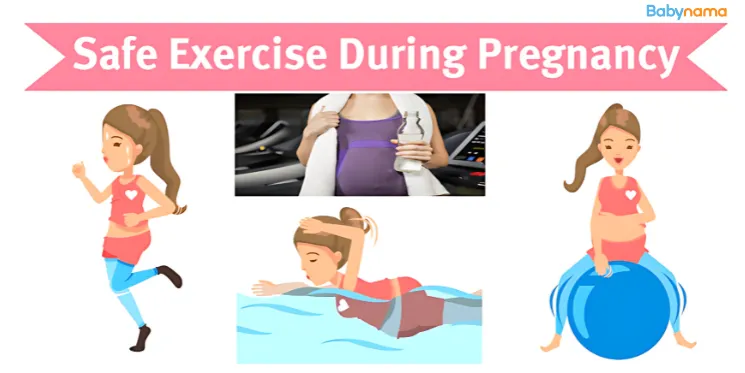
YES, for most pregnant women, moderate exercise during the first trimester (pahle teen mahine) is generally safe and beneficial. Staying active during pregnancy helps with weight management (wajan control), reduces pregnancy discomforts, and prepares your body for delivery. Unless your doctor advises otherwise, you can continue most of your regular exercises - just listen to your body and don’t overdo it. Always check with your gynaecologist before starting, especially if you have any pregnancy complications.
Benefits of First Trimester Exercise
For You:
-
Reduces nausea and fatigue
-
Improves mood and sleep
-
Helps manage healthy weight gain
-
Reduces back pain and constipation
-
Lowers risk of gestational diabetes
-
Prepares body for labor
-
Faster postpartum recovery For Baby:
-
Better placental blood flow
-
Healthy fetal heart rate
-
May reduce risk of certain complications
How Much Exercise is Safe?

| Recommendation | Details |
|---|---|
| Duration | 150 minutes per week (about 30 min, 5 days) |
| Intensity | Moderate - you can talk but not sing |
| Type | Mix of cardio and strength |
| Frequency | 3-5 days per week |
The “Talk Test”: If you can hold a conversation while exercising, you’re at the right intensity. If you’re too breathless to talk, slow down.
Safe Exercises for First Trimester
Walking (Best for Beginners)
- Frequency: 30-40 minutes daily
- Tips: Flat surfaces, comfortable shoes, morning or evening in India’s heat
- Benefits: Low impact, easy to continue throughout pregnancy
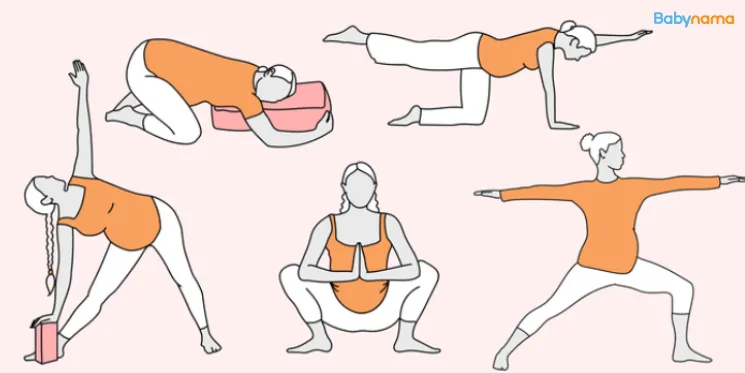
Prenatal Yoga
-
Frequency: 1-2 times per week
-
Tips: Join a prenatal class with certified instructor
-
Benefits: Flexibility, breathing practice, stress relief
-
Avoid: Hot yoga, lying flat on back for long periods
Swimming
- Frequency: 3-4 times per week, 30 minutes
- Tips: Pool is cooling - great for Indian summers
- Benefits: Takes pressure off joints, full-body workout
- Avoid: Hot tubs, diving
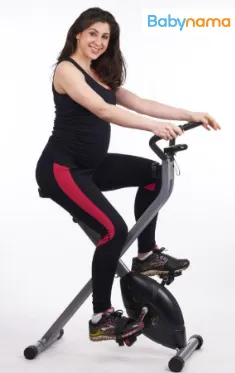
Stationary Cycling

- Frequency: 20-30 minutes, 3 times weekly
- Tips: Adjust seat for comfort, low resistance
- Benefits: Good cardio without balance concerns
- Avoid: Outdoor cycling (fall risk)
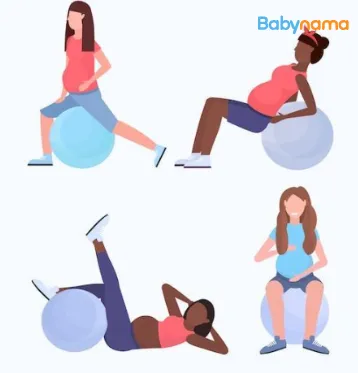
Low-Impact Aerobics
- Frequency: 2-3 times weekly
- Tips: Prenatal classes best, stay hydrated
- Benefits: Cardio fitness, social support
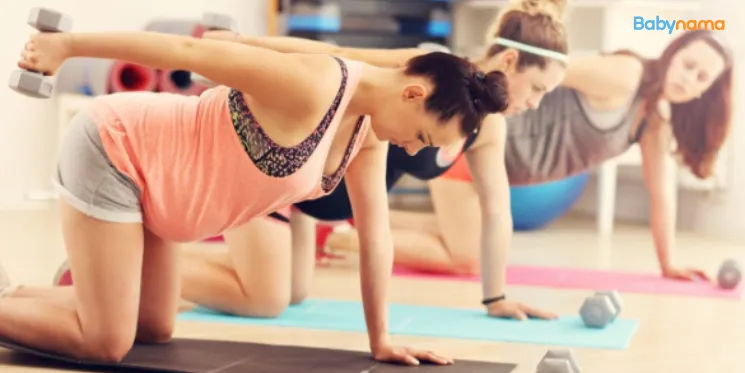
Light Weight Training
- Frequency: 2-3 times weekly
- Tips: Lower weights (1-3kg), higher reps
- Benefits: Maintains muscle strength for carrying baby
- Avoid: Heavy weights, lying flat on back
Simple First Trimester Exercises at Home
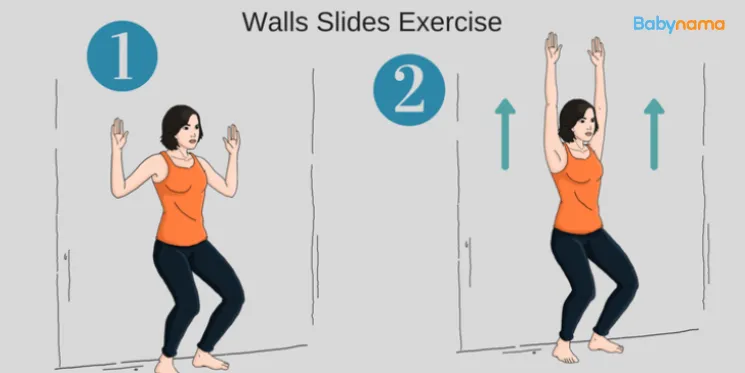
1. Wall Slides
-
Stand with back against wall
-
Arms in “high five” position
-
Slide arms up and down slowly
-
10-15 reps, 2-3 sets
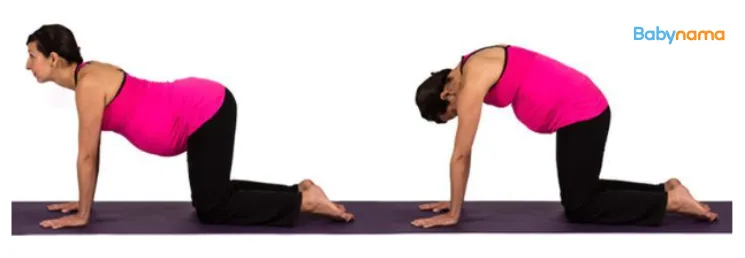
2. Cat-Cow Stretch
- On hands and knees
- Arch back up (cat), then down (cow)
- Breathe deeply with each movement
- 10-15 reps
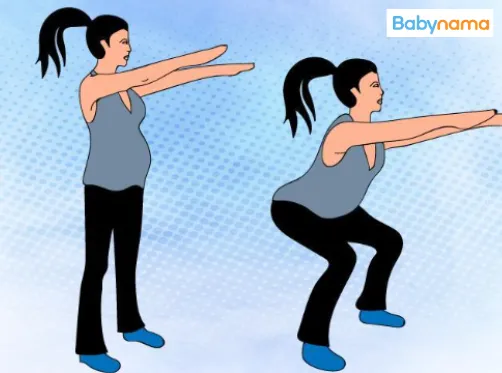
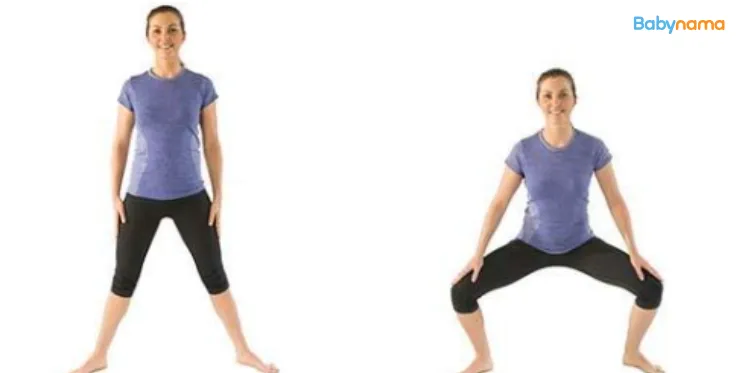
3. Squats
-
Feet shoulder-width apart
-
Sit back like sitting on a chair
-
Keep heels on ground
-
10-15 reps, 3 sets
4. Kegel Exercises (Pelvic Floor)
- Tighten muscles used to stop urine flow
- Hold 5-10 seconds, release
- 10-15 reps, 3 times daily
- Crucial for delivery and recovery!
5. Walking Lunges
-
Step forward, lower back knee toward floor
-
Alternate legs
-
8-10 on each side
When to Stop Exercising (Red Flags)
Stop immediately and contact your doctor if you experience:
-
Vaginal bleeding or fluid leakage
-
Chest pain or shortness of breath
-
Dizziness or feeling faint
-
Headache that doesn’t go away
-
Muscle weakness affecting balance
-
Calf pain or swelling
-
Contractions or abdominal pain
-
Decreased fetal movement (later in pregnancy)
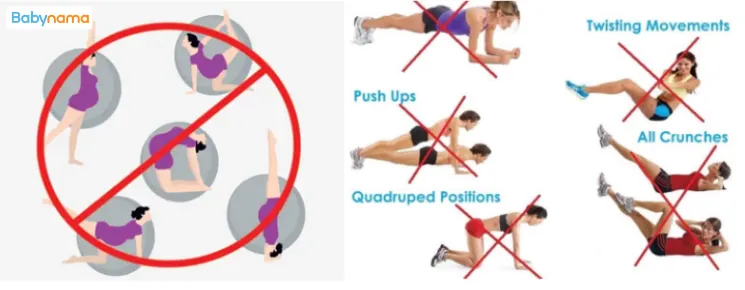
Exercises to Avoid During Pregnancy
| Avoid | Why |
|---|---|
| Contact sports (football, basketball, kabaddi) | Risk of abdominal injury |
| Hot yoga/hot pilates | Overheating harmful for baby |
| Scuba diving | Pressure changes dangerous |
| High-altitude activities | Reduced oxygen |
| Horseback riding, skiing | High fall risk |
| Lying flat on back after 16 weeks | Reduces blood flow |
| Exercises with risk of falling | Injury risk |
| Bouncing or jarring movements | Strain on joints |
Tips for Safe Exercise in India
Beat the Heat:
-
Exercise early morning (before 8 AM) or evening (after 6 PM)
-
Stay well hydrated - carry water always
-
Wear loose, cotton clothing
-
Exercise in air-conditioned space if possible
-
Avoid exercising in humidity Nutrition for Active Moms:
-
Eat light snack 30-60 minutes before exercise
-
Stay hydrated - drink before, during, after
-
Increase calorie intake slightly (about 300 extra calories/day after first trimester)
-
Include protein, iron-rich foods, calcium What to Wear:
- Supportive sports bra (breasts grow early!)
- Comfortable, breathable fabrics
- Good supportive footwear
- Avoid tight waistbands
When Exercise is NOT Recommended
Your doctor may advise against exercise if you have:
- Cervical insufficiency or cerclage
- Placenta previa after 26 weeks
- Preterm labor risk
- Severe anemia
- Preeclampsia or pregnancy-induced high BP
- Certain heart or lung conditions
- Multiple pregnancy (twins, triplets) with risk factors Always consult your gynecologist before starting or continuing an exercise program during pregnancy.
FAQs
Q: First trimester mein bahut thakaan hai - should I still exercise?
A: First trimester fatigue is very common due to hormonal changes. Light exercise can actually help reduce fatigue! Start with just 10-15 minute walks and listen to your body. Rest when needed, but don’t stop moving entirely. Most women find energy improves after 12-14 weeks.
Q: Can exercise cause miscarriage?
A: No, there’s no evidence that moderate exercise causes miscarriage in healthy pregnancies. Most first trimester miscarriages are due to chromosomal abnormalities, not physical activity. However, avoid high-impact or risky activities, and always listen to your body.
Q: I was not exercising before pregnancy - should I start now?
A: You can start, but begin gently! If you weren’t active before, now is not the time for intense workouts. Start with 10-15 minute daily walks and gradually increase. Swimming and prenatal yoga are also excellent gentle options for beginners.
Q: Is it safe to do yoga in first trimester?
A: Yes, prenatal yoga is excellent! Choose classes specifically designed for pregnancy with certified instructors. Avoid hot yoga, lying flat on back for long periods, and any pose that feels uncomfortable. Many asanas need modification during pregnancy.
Q: How do I know if I’m exercising too hard?
A: Use the “talk test” - you should be able to hold a conversation while exercising. If you’re too breathless to talk, slow down. Other signs of overexertion: dizziness, nausea, feeling too hot, or unusual pain.
Q: Morning sickness is making it hard to exercise - what should I do?
A: Many women find exercise actually helps with nausea! Try:
- Exercising when you feel best (often afternoons)
- Eating a small snack 30 minutes before
- Staying well hydrated
- Gentle walking or swimming
- Avoiding intense workouts when queasy If morning sickness is severe (hyperemesis), consult your doctor before exercising.
This article was medically reviewed by the Babynama Medical Team. Last updated: June 2026.
This guide follows ACOG/FOGSI-aligned guidance for exercise in pregnancy and is for general education for Indian parents. It is not a substitute for in-person care. Every pregnancy is different — always consult your own gynaecologist or doctor before starting or changing an exercise routine, and seek urgent care for any red-flag symptom (such as bleeding, leaking fluid, severe pain, breathlessness, or fainting). In an emergency, call 112 (national emergency) or 108 (ambulance).
Need personalized guidance? Book a consultation with our pediatricians or explore our Care Plans for 24/7 expert support!
Related Tools