Quick Answer
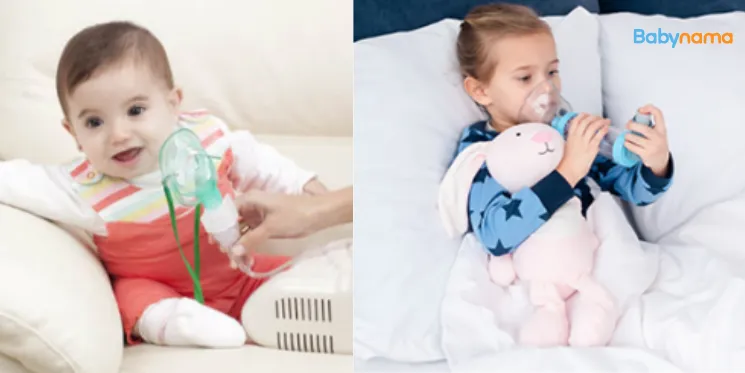
Don’t be scared of inhalers - they’re one of the most effective and well-tolerated ways to treat your child’s asthma or wheezing. Always use a spacer with face mask for children under 5 years, and a spacer with mouthpiece for older children. The medicine goes directly to the lungs, so doses are small and side effects are usually few. With this guide, you’ll become confident in no time!
Breaking the Inhaler Myths First
Before we start, let’s address the concerns many Indian parents have:
Common Fears (and Why They’re Wrong):
“Inhaler se addiction ho jayega” (Child will get addicted)
-
WRONG! Inhalers are not addictive. They treat the underlying condition. “Bachpan mein start karenge toh zindagi bhar lena padega” (Starting young means lifelong use)
-
WRONG! Many children outgrow asthma. Early treatment actually improves outcomes. “Tablet zyada effective hai” (Tablets work better)
-
WRONG! Inhalers deliver medicine directly to lungs. Tablets affect the whole body with more side effects. “Steroid hai, body damage karega” (Steroids will damage the body)
-
WRONG! Inhaled steroids are in tiny doses that stay in the lungs. They don’t cause the problems that oral steroids can.
Understanding Your Child’s Inhaler
Types of Inhalers Commonly Prescribed in India:
| Type | Color | Purpose | Brand Names |
|---|---|---|---|
| Reliever | Blue | Quick relief during attack | Asthalin, Levolin |
| Preventer | Brown/Orange | Daily use to prevent attacks | Budecort, Pulmicort |
| Combination | Purple/Red | Both relief and prevention | Seroflo, Foracort |
Essential Equipment:
- Spacer - A chamber that holds the medicine mist
- Face mask - For babies and children under 5
- Mouthpiece - For children 5 and above Indian Spacer Brands: Zerostat, Aerochamber, Cipla Spacer, Able Spacer
Step-by-Step Technique by Age
For Babies (Under 1 Year)
The Challenge: Baby can’t cooperate, may cry and fight
The Solution: Use during sleep or calm moments
Steps:
-
Shake inhaler 10-20 times
-
Attach to spacer with face mask
-
Hold baby in comfortable position (sitting up against your chest works well)
-
Place mask over nose AND mouth - seal must be tight!
-
Press inhaler once
-
Keep mask in place for 6-8 breaths
-
If baby cries, that’s okay - crying = deep breaths = medicine reaches lungs!
-
Repeat for second puff if prescribed Pro Tips:
-
Try when baby is drowsy
-
Practice with empty spacer during play time
-
Two adults make it easier
For Toddlers (1-3 Years)
The Challenge: Active, wants to do it themselves, may refuse
The Solution: Make it a game, let them participate
Steps:
-
Shake inhaler well
-
Attach spacer with mask
-
Let child sit on your lap or next to you
-
Say “Let’s take superhero medicine so you can breathe strong!”
-
Place mask on face - check for good seal
-
Press inhaler once
-
Count together: “1… 2… 3… 4… 5… 6 - very good!”
-
Repeat if needed Pro Tips:
-
Give teddy the “medicine” first
-
Let child press the inhaler (with your hand guiding)
-
Sing a song while keeping mask on
-
Sticker reward system works wonders!
For Preschoolers (3-5 Years)
The Challenge: May resist, wants control
The Solution: Education and participation
Steps:
-
Explain: “This medicine goes to your lungs to help you breathe better”
-
Let them shake the inhaler
-
Attach spacer with mask (some may transition to mouthpiece)
-
Child can hold the spacer
-
Press inhaler
-
5-6 breaths through mask
-
Praise: “Perfect! Your lungs are getting strong!” Pro Tips:
-
Watch videos of other kids using inhalers
-
Practice breathing techniques as games
-
Create a routine (same time, same place)
For School-Age Children (5+ Years)
The Challenge: May feel embarrassed, want to skip doses
The Solution: Independence and understanding
Steps:
-
Shake inhaler well
-
Attach spacer with mouthpiece
-
Child sits or stands upright
-
Breathes out gently (not into spacer)
-
Places mouthpiece between teeth, lips sealed
-
Presses inhaler and takes slow, deep breath in
-
Holds breath for 10 seconds
-
Breathes out slowly
-
Rinses mouth with water (especially important for steroid inhalers!) Pro Tips:
-
Teach them to self-administer (supervised)
-
Explain why they need it (sports performance!)
-
Create phone reminders
-
Discuss with school for permission to carry inhaler
Visual Guide: What Good Technique Looks Like
Signs of CORRECT Technique:
- Spacer mists up slightly inside
- No hissing sound
- Child is calm and breathing normally
- No coughing during inhalation
- Face mask leaves slight marks (shows good seal)
Signs of POOR Technique:
- Loud whooshing sound (breathing too fast)
- Medicine spraying outside mask (poor seal)
- Child is crying or fighting constantly
- No improvement in symptoms
Caring for Your Equipment
Weekly Spacer Cleaning:
- Take spacer apart
- Soak in warm water with mild dish soap for 15 minutes
- Swirl around (don’t scrub inside)
- DO NOT rinse with plain water
- DO NOT wipe dry (causes static electricity)
- Air dry completely (overnight)
- Store in clean plastic bag
Inhaler Care:
- Check expiry date monthly
- Store at room temperature
- Keep cap on when not using
- Don’t leave in car (heat damages medicine)
- Note the dose counter or track on calendar
Managing Different Situations
During an Asthma Attack:
Warning Signs:
-
Fast breathing
-
Difficulty speaking full sentences
-
Ribs showing when breathing
-
Blue tinge around lips
-
Not improving with usual inhaler Emergency Steps:
-
Stay calm and sit your child upright
-
Give 1 puff of the blue reliever inhaler through the spacer, one puff at a time, taking 4-6 breaths after each puff — up to 4-6 puffs in total
-
🚨 Call 112 (national emergency) or 108 (ambulance), or rush to the nearest hospital — don’t wait to see if it works first
-
While waiting for help or travelling, you can repeat 4-6 puffs every few minutes if breathing stays difficult
-
Seek emergency help immediately if there is a blue tinge around the lips, the child can’t speak in full sentences, or there is no improvement
At School:
- Provide school with doctor’s letter
- Give spare inhaler and spacer to school nurse
- Ensure teachers know signs of asthma attack
- Child should have quick access to inhaler during PE
During Travel:
- Carry inhaler in hand luggage (never checked baggage)
- Keep spare in a different bag
- Carry doctor’s prescription
- Know medical facilities at destination
When to Call the Doctor
Urgent - Same Day:
- Inhaler not working as usual
- Needing reliever inhaler more than 3 times/week
- Waking at night with cough/wheeze
- Symptoms affecting daily activities
Emergency - Immediately:
- Severe breathing difficulty
- Blue lips or fingertips
- Unable to speak in sentences
- Getting worse despite using inhaler
For any of the above, 🚨 call 112 (national emergency) or 108 (ambulance), or go to the nearest hospital immediately.
FAQs
Q: My child hates the mask. Can we skip the spacer?
A: Never skip the spacer for children under 5! Without it, most medicine lands in the mouth and throat. The spacer is essential. Try different positions, times (sleepy times work!), and lots of practice with empty spacer.
Q: How do I know if the inhaler is empty?
A: Some inhalers have dose counters. For others, shake it near your ear - you should hear liquid. Mark the canister with start date and calculate based on doses prescribed.
Q: Can my child use the inhaler while sick with cold?
A: Yes! In fact, viral infections often trigger wheezing. Continue preventers and use reliever as needed. See doctor if symptoms worsen.
Q: Is nebulizer better than inhaler?
A: No! Studies show inhaler with spacer is equally or more effective than nebulizer for mild-moderate symptoms. Inhaler is also faster (2 minutes vs 15 minutes) and more portable.
Q: How long before sports should my child use the inhaler?
A: If prescribed for exercise-induced symptoms, give 2 puffs of reliever inhaler 15-20 minutes before exercise. Always warm up properly too.
This article was reviewed by Babynama Pediatricians. Last updated: January 2025
Need help with inhaler technique? Request a video call with Babynama’s pediatricians for a live demonstration.
Need personalized guidance? Book a consultation with our pediatricians or explore our Care Plans for 24/7 expert support!
General information for Indian parents, not a substitute for your pediatrician. In an emergency, call 112 or 108.
Related Tools