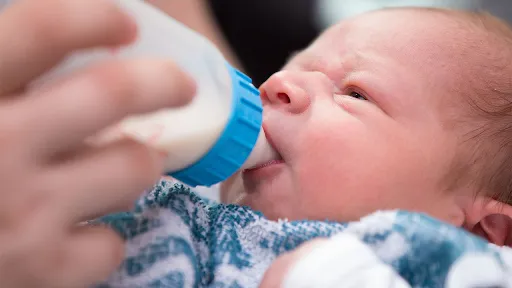
Quick Answer: The ideal time to introduce a bottle to a breastfed baby is around 4-6 weeks - after breastfeeding is well-established but before baby becomes too resistant. However, there’s no “perfect” age - it depends on your situation. Whether you’re returning to work, need to share feeding duties, or have other reasons, a gradual transition works best. Remember: introducing a bottle doesn’t mean giving up breastfeeding - many mothers successfully combine both!
When Should You Introduce a Bottle?
Recommended Timeline
| Age | Bottle Introduction | Notes |
|---|---|---|
| Before 4 weeks | Too early | May cause nipple confusion, interfere with breastfeeding establishment |
| 4-6 weeks | Ideal window | Breastfeeding established, baby still adaptable |
| 6-8 weeks | Good time | Baby comfortable with breast, still willing to try bottle |
| After 3 months | More challenging | Baby may refuse bottle initially, requires patience |
| 6+ months | Consider cup | Can transition directly to sippy cup for expressed milk |
Reassurance for working mothers: You CAN successfully introduce a bottle and continue breastfeeding. Many mothers pump at work and breastfeed at home - this is called combination feeding!
Reasons to Introduce a Bottle
Common Situations
| Reason | Bottle Content | Breastfeeding Impact |
|---|---|---|
| Returning to work | Expressed breast milk | Can continue breastfeeding at home |
| Sharing feeding duties | Expressed milk | Father/grandparent can bond through feeding |
| Medical reasons | Formula if needed | Depends on situation |
| Low milk supply | Combination | Supplement while continuing breastfeeding |
| Mother’s health | As advised | May be temporary |
| Personal choice | Expressed milk or formula | Your choice is valid |
Signs Baby May Need Supplementation
- Not gaining weight adequately
- Fewer than 6 wet diapers daily (after day 4)
- Constantly hungry despite frequent feeding
- Medical recommendation
Important: If you’re switching due to supply concerns, consult a lactation consultant first. Many supply issues can be resolved!
How to Introduce the Bottle: Step-by-Step
Week 1-2: Preparation
- Choose the right bottle
- Slow-flow nipple (mimics breast)
- Wide-base nipple shape
- Anti-colic design recommended
- Practice expressing milk
- Hand expression or breast pump
- Start building a small stash
- Store properly (refrigerator or freezer)
- Pick the right time
- When baby is calm but hungry (not starving)
- Mid-morning often works well
- Avoid overtired or very hungry baby
Week 3-4: First Introduction
Day 1-3:
-
Have someone OTHER than mother offer the bottle
-
Baby associates mother with breast
-
Father, grandmother, or caregiver works better
-
Mother should leave the room (baby can smell you!)
-
Try when baby is slightly hungry, not starving
-
Hold baby in different position than breastfeeding
-
Touch nipple to lips, let baby draw it in (don’t force) If baby refuses:
-
Stop, calm baby, try again later
-
Try different bottle nipple
-
Warm the nipple slightly
-
Put breast milk on nipple
Week 4+: Gradual Transition
Pattern for working mothers:
- Week 1: One bottle per day (midday)
- Week 2: Two bottles per day
- Week 3: Match your work schedule
- Continue breastfeeding morning, evening, night
Avoiding Nipple Confusion
What is Nipple Confusion?
When baby struggles to switch between breast and bottle because the sucking technique differs.
| Breast | Bottle |
|---|---|
| Requires wide mouth opening | Narrow nipple fits easily |
| Active sucking draws milk | Milk flows with minimal effort |
| Baby controls flow | Faster flow, less control |
| Multiple let-downs | Continuous flow |
Prevention Strategies
| Strategy | How It Helps |
|---|---|
| Use slow-flow nipple | Baby works harder, similar to breast |
| Paced bottle feeding | Hold bottle horizontal, take breaks |
| Wait until 4-6 weeks | Breastfeeding well-established first |
| Don’t force bottle | Creates negative association |
| Breast milk in bottle | Familiar taste and smell |
Paced Bottle Feeding Technique
- Hold baby upright (not lying down)
- Hold bottle horizontal (not tilted up)
- Let baby draw nipple in
- Take breaks every few sucks (tip bottle down)
- Switch sides halfway through
- Let baby decide when they’re done
Choosing the Right Bottle
Features to Look For
| Feature | Why It Matters |
|---|---|
| Slow-flow nipple | Prevents gulping, mimics breast flow |
| Wide-base nipple | Encourages wide latch like breastfeeding |
| Anti-colic vents | Reduces air swallowing |
| Easy to clean | Hygiene for baby |
| Size appropriate | Newborns: 120-150ml bottles |
Popular Brands in India
- Philips Avent Natural
- Dr. Brown’s
- Pigeon Peristaltic
- Chicco Natural Feeling
- Mee Mee
Tip: Buy one or two bottles first to test before investing in multiple. Some babies are picky!
If Baby Refuses the Bottle
Troubleshooting Tips
| Problem | Solution |
|---|---|
| Refuses nipple | Try different brand/shape |
| Pushes bottle away | Wait, try when calmer |
| Only takes from mother | Have another person offer |
| Gags or chokes | Use slower flow nipple |
| Plays with nipple | May not be hungry yet |
| Cries when sees bottle | Take a break, try next day |
Alternative Methods If Bottle Fails
- Cup feeding - Even newborns can cup feed
- Spoon feeding - For smaller amounts
- Syringe feeding - For expressed milk
- Direct to sippy cup - For babies 6+ months
Maintaining Breastfeeding While Bottle Feeding
For Working Mothers
Before returning to work:
-
Practice pumping 2-3 weeks before
-
Build a freezer stash
-
Have baby practice bottle with caregiver At work:
-
Pump every 3-4 hours
-
Store milk properly
-
Pump during lunch/breaks At home:
-
Breastfeed morning, evening, night
-
Breastfeed on demand on weekends
-
Skin-to-skin time daily
Pumping Schedule Example
| Time | Activity |
|---|---|
| 6:00 AM | Breastfeed before work |
| 10:00 AM | Pump at work |
| 1:00 PM | Pump at work |
| 4:00 PM | Pump at work (if needed) |
| 6:30 PM | Breastfeed at home |
| Night | Breastfeed as needed |
Emotional Considerations
For Mother
- It’s normal to feel sad or guilty about introducing bottle
- Your choice is valid, whatever the reason
- Combination feeding is still breastfeeding
- Bonding happens through more than just feeding
- You’re still a wonderful mother
Bonding During Bottle Feeding
- Hold baby close, skin-to-skin if possible
- Make eye contact
- Talk or sing to baby
- Cuddle and stroke baby
- Don’t prop bottle - always hold baby
Frequently Asked Questions
Q: Will my baby prefer bottle over breast?
A: Possible, but preventable! Use slow-flow nipple and paced feeding. Most babies who are breastfed primarily will still prefer breast.
Q: Can I go back to exclusive breastfeeding after introducing bottle?
A: Yes! Many mothers successfully return to exclusive breastfeeding. Key is maintaining supply through pumping or frequent nursing.
Q: My baby is 4 months and refuses bottle. What should I do?
A: Older babies can be stubborn. Try different nipples, have someone else offer, try cup feeding, or wait until baby is very hungry (but not starving).
Q: Should I warm the bottle milk?
A: Breast milk can be offered at room temperature or slightly warm. Test on your wrist first. Never microwave (creates hot spots).
Q: How do I know if baby is getting enough from bottle?
A: Same as breastfeeding - adequate wet diapers (6+ daily), weight gain, contentment after feeds.
Q: What if I’m exclusively pumping - when should I introduce bottle?
A: You can introduce from day one if not breastfeeding directly. No need to wait.
Key Takeaways
- 4-6 weeks is ideal - But any time can work with patience
- Slow-flow nipples - Prevent nipple confusion
- Have someone else offer - Not mother, at least initially
- Don’t give up breastfeeding - Combination feeding works
- Be patient - Some babies take time to accept bottle
- Your choice is valid - Whatever your reason for introducing bottle
This article was reviewed by Babynama Pediatricians. Last updated: January 2026
Planning to return to work? Chat with our lactation experts on Babynama for personalized pumping and feeding guidance!
Need personalized guidance? Book a consultation with our pediatricians or explore our Care Plans for 24/7 expert support!
Related Tools
General information for Indian parents, not a substitute for your pediatrician. In an emergency, call 112 or 108.
Need Expert Breastfeeding Support?
Get personalized guidance from certified lactation consultants.
Explore Breastfeeding Program