Quick Answer: Is Teething Fever Normal?
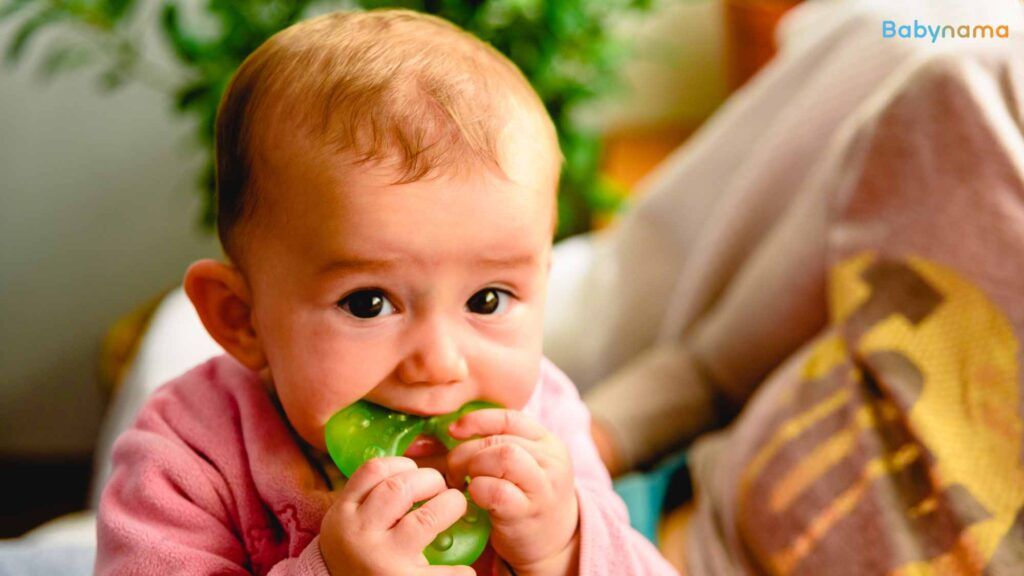
Teething does not cause a true fever. It may cause at most a slight warmth (halka bukhar) below 100.4°F (38°C), along with irritability and drooling. Any temperature of 100.4°F (38°C) or higher is a real fever and should be assumed to be an infection, not teething — consult a doctor. In a baby under 3 months, a fever of 100.4°F or higher needs to be seen the same day.
Reassurance: Most babies handle teething well with simple home care. The discomfort usually lasts 3-5 days per tooth.
Temperature Guide: What’s Normal During Teething?
| Temperature | Status | Action |
|---|---|---|
| Below 99°F (37.2°C) | Normal | No medication needed |
| 99-100.4°F (37.2-38°C) | Slight warmth, can occur with teething | Home care, monitor |
| 100.4-102°F (38-38.9°C) | This is a real fever — NOT teething | Treat as illness: paracetamol if needed and consult a doctor. In a baby under 3 months, seek care the same day |
| Above 102°F (38.9°C) | Tez bukhar - NOT teething | Rush to doctor |
Important: Teething does not cause a true fever. Any temperature of 100.4°F (38°C) or higher is a real fever and should be assumed to be an infection, not teething. Teething may cause at most a slight warmth below 38°C.
Teething Timeline by Age
| Age | What to Expect |
|---|---|
| 4-7 months | Lower central incisors (bottom front teeth) |
| 8-12 months | Upper central incisors (top front teeth) |
| 9-13 months | Upper lateral incisors |
| 10-16 months | Lower lateral incisors |
| 13-19 months | First molars |
| 16-23 months | Canines (fangs) |
| 23-33 months | Second molars |
Symptoms to Watch For
Normal teething signs:
-
Swollen, red gums where tooth is erupting
-
Excessive drooling (laar bahna)
-
Chewing/biting on everything
-
Irritability and fussiness (chidchidapan)
-
Mild fever below 100.4°F
-
Disturbed sleep
-
Reduced appetite
-
Pulling at ears (referred pain)
-
Drool rash around mouth/chin NOT caused by teething:
-
Any fever of 100.4°F (38°C) or higher (tez bukhar)
-
Diarrhea or loose motions
-
Vomiting
-
Severe rash on body
-
Runny nose with colored mucus
Loose Stools During Teething: Normal or Not?
Many parents notice their baby passing looser or more frequent stools around the time a tooth is coming through, and wonder if it is “normal.” Here is the honest picture based on standard pediatric guidance:
Teething itself does not directly cause diarrhea. There is no proven biological link between an erupting tooth and loose motions. What actually happens is indirect:
- During teething, babies drool heavily and put hands, toys and other objects into their mouth constantly. This can introduce germs and lead to a mild tummy upset or an infection that shows up as loose stools.
- Extra swallowed saliva can slightly loosen the stools in some babies.
What can be normal (usually settles on its own):
- Slightly softer or one or two extra stools a day for a short period, while your baby is otherwise feeding, playing and passing urine normally.
- No blood, no high fever, and no signs of dehydration.
When loose stools are NOT “just teething” — see your doctor:
- Watery stools that are frequent (several in a few hours), high-volume, or persisting — and see a doctor sooner, not at 24 hours, for a baby under 6 months.
- Any fever of 100.4°F (38°C) or higher along with the loose stools.
- Blood or mucus in the stool, or persistent vomiting.
- Signs of dehydration: no wet diaper for 6 or more hours, no tears when crying, dry mouth, sunken eyes or a sunken soft spot (fontanelle), feeding poorly or too weak/drowsy to feed, skin over the tummy staying “tented” when gently pinched, or an unusually drowsy, floppy baby.
- Your baby is under 3 months old.
How to manage loose stools safely at home while you monitor:
- Keep feeds going. Continue breastfeeds or formula as normal — do not stop milk. Breastmilk in particular helps protect and hydrate.
- Start ORS now, don’t wait for doctor permission. If your baby has genuine diarrhea (frequent watery stools), give a few teaspoons of low-osmolarity ORS (oral rehydration solution) after each loose stool, alongside continued breastfeeds/formula. This applies even to exclusively breastfed babies under 6 months — ORS is safe and is the standard first step, per WHO/IAP guidance. Do not make up home “sugar-salt” recipes by guesswork; use a proper ORS sachet made to instructions. Avoid plain water as the main fluid for a baby under 6 months.
- Zinc supplementation. Indian and WHO guidelines recommend zinc for 14 days alongside ORS for genuine diarrhea (dose is age-based — 10mg/day for 2-5 months, 20mg/day for 6 months and older). Ask your pediatrician to confirm the dose. Zinc shortens the illness and reduces the chance of it recurring.
- Do not give anti-diarrhea medicines to babies unless your pediatrician specifically prescribes them.
- Keep the nappy area clean and apply a barrier cream to prevent a sore bottom.
Bottom line: a brief, mild change in stools during teething, in an otherwise well and well-hydrated baby, is common and usually harmless. Loose motions with fever, blood, vomiting, or any dehydration are a sign of illness, not teething — get your baby checked.
This is general information and not a substitute for advice from your pediatrician.
Managing Fussiness and Irritability
Teething discomfort tends to come in waves and is usually worst in the day or two before a tooth breaks through the gum. A fussy, clingy baby who is otherwise feeding and behaving normally is generally coping with teething, not falling ill. Some things that genuinely help:
- Extra comfort and closeness. More cuddles, carrying, and calm attention often settle a teething baby faster than anything else. This is not “spoiling” — comfort is real pain relief for a baby.
- Gentle counter-pressure on the gums (see gum massage below) can ease the ache.
- Something cool and safe to chew gives babies control over relieving their own discomfort.
- Keep routines steady. Predictable feeds, naps and bedtime help an unsettled baby feel secure, even if sleep is a little disturbed for a few days.
- Pain relief when needed: if your baby is clearly in pain and not settling, weight-based paracetamol can be used as described in the dosage section below — but only if it is truly needed, and confirm the dose with your pediatrician.
Fussiness that should prompt a doctor’s visit (not typical teething): inconsolable crying that cannot be settled at all, a baby who is limp, unusually drowsy or hard to wake, refusing feeds for more than 8 hours, or fussiness with fever, a body rash, vomiting or loose stools.
Safe Comfort Measures at a Glance
- Safe: clean-finger gum massage; a chilled (never frozen-solid) silicone teether; a cold, wrung-out muslin cloth to chew; chilled soft foods in a mesh feeder for babies 6 months and older; distraction and cuddles; weight-based paracetamol only if genuinely needed and confirmed with your doctor.
- Not safe / avoid: teething gels containing benzocaine or lidocaine; amber or bead teething necklaces (choking and strangulation risk); freezing teethers solid; honey for babies under 1 year; homeopathic teething tablets or powders without a doctor’s advice; aspirin; and giving any medicine “to be safe” when your baby is comfortable.
Home Remedies for Teething Relief
1. Gum Massage
Wash your hands thoroughly and gently rub your baby’s gums with a clean finger for 2-3 minutes. The pressure provides relief.
2. Cold Teething Toys
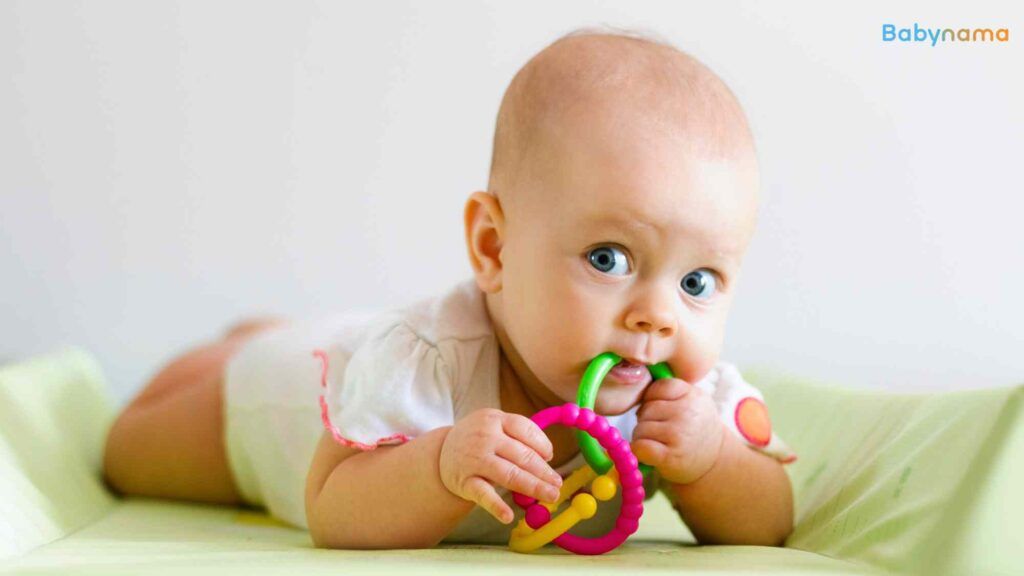
- Refrigerate (not freeze) silicone teethers
- Brands available in India: Chicco, Mee Mee, Pigeon, Fisher-Price
- Never freeze solid - can damage gums
3. Cold Washcloth
Wet a clean muslin cloth, wring it, and refrigerate for 15-20 minutes. Let baby chew on it.
4. Chilled Foods (6+ months)
- Chilled soft foods in a mesh feeder are the safest option (this is the default — it lets baby gum cold food without breaking off a choking-sized piece)
- Cold dahi/yogurt or chilled ragi/suji porridge
- Whole firm slices and cucumber/apple/banana sticks are a choking hazard — if used, only under constant adult supervision, soft enough to mash, and never left with the baby alone
5. Distraction
Keep baby engaged with toys, songs, and cuddles. Sometimes the best medicine is mama’s attention!
Fever Medicine Dosage Chart (Paracetamol/Calpol)
CRITICAL: Only give fever medicine if temperature is above 100.4°F (38°C)
Paracetamol is dosed by your baby’s weight, not age: 15 mg/kg per dose, no more often than every 4–6 hours, maximum 4 doses (60 mg/kg) in 24 hours. Syrup strengths differ — Calpol/Crocin come as 100 mg/ml drops, 120 mg/5 ml syrup, and 250 mg/5 ml syrup, so always check the bottle strength before measuring — mixing up strengths can mean a 5-10x dosing error. Always measure with the syringe or cup that comes with the bottle, never a household spoon. Do not give to a baby under 3 months without a doctor seeing them first. Confirm the exact mL with your pediatrician.
⚠️ In a baby under 3 months, ANY fever of 100.4°F (38°C) or higher is a medical emergency — see a doctor the same day, even at night. Do not give paracetamol and wait. This applies even after a vaccine.
(Dosing follows standard IAP paediatric guidance: paracetamol 15 mg/kg/dose, every 4–6 hours, maximum 60 mg/kg in 24 hours.)
Available brands: Calpol, Crocin Drops, Dolo Drops, Pyrigesic
Never give:
- Aspirin to children
- Oral gels with benzocaine (harmful)
- Homeopathic teething tablets without doctor advice
When to Rush to Doctor (Red Flags)
Seek IMMEDIATE medical care if:
- Fever above 102°F (38.9°C) in any baby
- Fever above 100.4°F (38°C) in baby under 3 months
- Fever lasting more than 3 days
- Baby refusing to feed for more than 8 hours
- Signs of dehydration (no wet diapers for 6+ hours, sunken fontanelle)
- Excessive crying that cannot be consoled
- Rash on body (not just drool rash)
- Difficulty breathing
- Blood in stool or gums
🚨 Call 112 (national emergency) or 108 (ambulance), or go straight to the nearest hospital, if you see: difficulty or noisy breathing; swelling of the face, lips or tongue; widespread hives with vomiting; pale, grey or blue skin; floppiness or unresponsiveness; or a seizure. Teething often coincides with starting new solid foods, and rarely a food can trigger a severe allergic reaction — these signs can be that reaction (anaphylaxis). If an adrenaline auto-injector has been prescribed, use it first, then go. Do not wait for a clinic appointment. Schedule an appointment if:
- Teething symptoms lasting more than 7 days
- Baby not gaining weight
- Teeth appearing discolored or damaged
- Delayed teething (no teeth by around 15 months)
What NOT to Do During Teething
- Don’t give honey to babies under 1 year (botulism risk)
- Don’t use teething gels with benzocaine or lidocaine
- Don’t freeze teethers solid
- Don’t tie teething toys around baby’s neck (choking hazard)
- Don’t ignore high fever thinking it’s “just teething”
- Don’t give ibuprofen (Brufen) to babies under 6 months
Expert Insight: As our doctors say, ‘Focus on how your child looks and acts, not just the number on the thermometer.’
FAQs
Q: Baby has 102°F fever - is it teething?
A: No. Teething does NOT cause fever above 100.4°F. A temperature of 102°F indicates an infection or illness. Please give Calpol (dosed by your baby’s weight at about 15 mg/kg — confirm the exact ml with your pediatrician) and consult a doctor. Don’t delay thinking it’s just daant nikalna.
Q: How much Calpol for my 5-month-old baby with teething fever?
A: Dose by your baby’s current weight, not age — about 15 mg/kg per dose. For a 6-7 kg baby that is roughly 0.9–1.0 ml of Calpol Drops (100 mg/ml) or about 3.75–4.4 ml of Calpol Syrup (120 mg/5 ml) — but check the bottle strength and confirm the exact ml with your pediatrician. Only give if fever is above 100.4°F. Can repeat every 4-6 hours if needed, maximum 4 doses (60 mg/kg) in 24 hours.
Q: My baby has loose motions during teething. Is this normal?
A: Diarrhea is NOT a direct symptom of teething. However, babies put everything in their mouth during teething, which can cause stomach infections. If stools are frequent and watery, or baby seems dehydrated, start ORS at home and consult your doctor — don’t wait 24 hours, especially for a baby under 6 months.
Q: Is it safe to give Meftal-P for teething pain?
A: Meftal-P (mefenamic acid) should only be given on doctor’s prescription. India’s drug safety regulator (IPC) has flagged mefenamic acid for a rare but serious reaction (DRESS syndrome) in children, so it is not a routine choice for teething — paracetamol (Calpol) is the safer first choice. Meftal-P can be used for older children only with doctor guidance.
Q: Baby is drooling a lot but no fever - should I worry?
A: Excessive drooling without fever is usually a normal part of teething. Just keep the chin area dry to prevent rash. Use soft cotton bibs and apply a thin layer of petroleum jelly (Vaseline) around the mouth if rash develops.
Q: At what age do babies start teething?
A: Most babies get their first tooth between 4-7 months, but some may start as early as 3 months or as late as 12-15 months. All timelines are normal. If no teeth by around 15 months, mention it at your next pediatric visit.
This article was reviewed by Babynama Pediatricians. Last updated: February 2026
This article is general information for Indian parents, not a substitute for examination by your pediatrician. In an emergency, call 112 or 108.
Need personalized guidance? Book a consultation with our pediatricians or explore our Care Plans for 24/7 expert support!
Have a question about your little one?
Join our free community for live Q&A with MD pediatricians — no cost to join.
Join the free community