Quick Answer
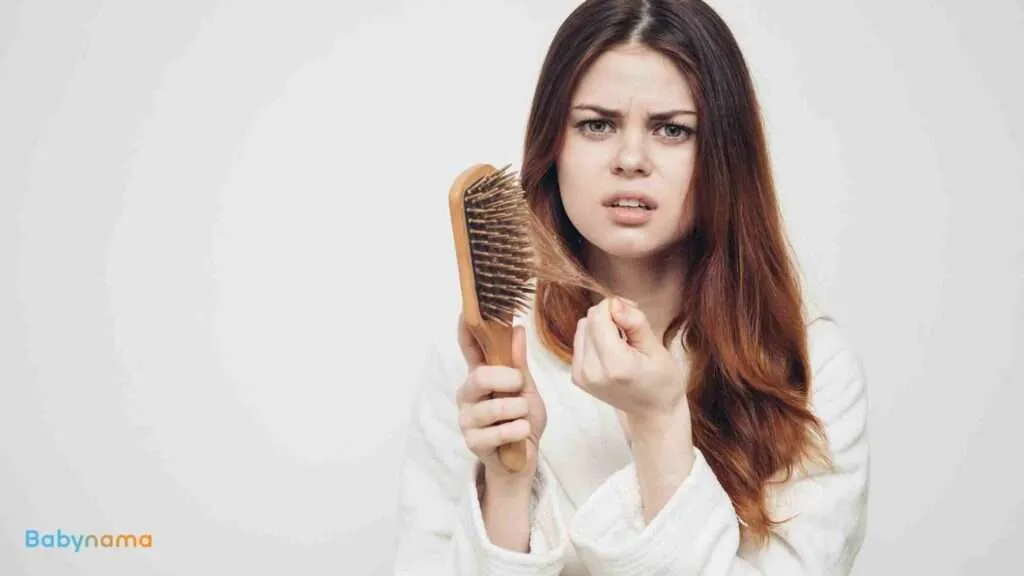
YES, postpartum hair fall is very common and usually temporary. Almost every new mother experiences significant hair loss (baal girna) in the months after delivery, typically starting around 3-4 months postpartum. This is usually not a sign of illness or permanent baldness - it reflects your hormones returning to their normal state. The good news? For most women, hair grows back over the following year, often returning close to its pre-pregnancy state.
Why This Happens (Baal Kyun Girte Hain)
The Pregnancy-Postpartum Hair Cycle
During pregnancy:
-
High estrogen keeps hair in “growth phase”
-
Less hair falls out than normal
-
Hair seems thicker and fuller After delivery:
-
Estrogen drops rapidly
-
All those “extra” hairs enter “resting phase”
-
Then they fall out together! You’re not LOSING more hair than normal - you’re losing the EXTRA hair you kept during pregnancy!
Timeline of Postpartum Hair Loss
| Time After Delivery | What Happens |
|---|---|
| 0-3 months | Hair still looks good |
| 3-4 months | Hair fall starts |
| 4-6 months | Peak hair fall (most scary!) |
| 6-9 months | Hair fall slowing |
| 9-12 months | New growth visible |
| 12+ months | Back to normal |
Symptoms to Watch For
Normal Postpartum Hair Loss
What’s expected:
- Noticing more hair in brush/comb
- Hair strands on pillow
- Hair in shower drain
- Thinning overall (not patches)
- Starts 3-6 months after delivery
- Improves by 12 months
Warning Signs (Not Normal)
See doctor if:
- Bald PATCHES appearing
- Hair loss continuing past 12 months
- Very rapid, excessive loss
- Other symptoms (fatigue, weight changes)
- Hair not growing back
Contributing Factors
What Can Make It Worse
| Factor | Why It Affects Hair | Solution |
|---|---|---|
| Nutritional deficiency | Hair needs nutrients | Balanced diet, supplements |
| Iron deficiency/anemia | Very common postpartum | Get checked, iron supplements |
| Thyroid issues | Common after pregnancy | Blood test, treatment |
| Stress | Affects hair cycle | Rest, support |
| Lack of sleep (neend ki kami) | Body under stress | Sleep when baby sleeps |
| Crash dieting | Nutrient depletion | Eat well, don’t diet |
| Not eating well | Hair starved | Proper nutrition |
Home Remedies (Gharelu Upchar)
Diet for Hair Health
Essential nutrients:
| Nutrient | Why It Helps | Indian Foods |
|---|---|---|
| Iron | Prevents hair loss | Palak, beetroot, pomegranate, jaggery |
| Protein | Building block of hair | Dal, eggs, paneer, chicken, fish |
| Vitamin C | Helps iron absorption | Amla, orange, lemon, guava |
| Zinc | Hair growth | Nuts, seeds, whole grains |
| Biotin | Hair strength | Eggs, almonds, cauliflower |
| Vitamin E | Scalp health | Nuts, seeds, spinach |
Eat daily:
- Protein at every meal
- Iron-rich foods
- Fresh fruits (especially amla!)
- Nuts (2-3 walnuts, few almonds)
- Plenty of water
Traditional Indian Remedies
Oil Massage (Champi):
- Warm oil massage 1-2 times per week
- Use: coconut oil, amla oil, bhringraj oil
- Massage scalp gently for 10-15 minutes
- Leave overnight or 1-2 hours before washing
- Improves blood circulation Hair Masks:
| Mask | How to Make | Benefits |
|---|---|---|
| Egg + olive oil | 1 egg + 2 tbsp olive oil, apply 30 min | Protein boost |
| Curd (dahi) | Apply fresh curd for 30 min | Strengthens hair |
| Fenugreek (methi) | Soak overnight, grind to paste | Traditionally used for hair fall |
| Onion juice | Fresh onion juice on scalp | Traditionally used for regrowth |
| Aloe vera | Fresh gel on scalp | Soothes scalp |
These hair masks and rinses are widely used in India but have little proven medical benefit for postpartum hair loss; they are generally safe to try, but discuss with your doctor if you have scalp irritation or allergies.
Rinses:
- Amla water (boil amla, use water for rinsing)
- Hibiscus water
- Green tea rinse
Hair Care Tips
Do:
-
Use gentle, mild shampoo
-
Condition hair ends
-
Let hair air dry when possible
-
Use wide-tooth comb on wet hair
-
Keep hair loose (avoid tight styles)
-
Get hair trimmed to remove damage Don’t:
-
Use hot styling tools
-
Tie wet hair tightly
-
Color or chemically treat
-
Brush wet hair vigorously
-
Use harsh shampoos
-
Pull hair into tight ponytails
Supplements That May Help
Consider (after consulting doctor):
- Iron supplements (if deficient)
- Biotin supplements
- Vitamin D (very common deficiency in Indian women)
- Prenatal vitamins (can continue postpartum)
- Hair-specific supplements (with biotin, zinc)
When to See a Doctor
Schedule appointment if:
-
Hair loss lasting beyond 12 months postpartum
-
Bald patches or spots
-
Significant thinning (scalp very visible)
-
Other symptoms: extreme fatigue, weight changes, feeling cold
-
Hair not regrowing
-
Concerned about amount of loss Doctor may check:
-
Iron levels (ferritin)
-
Thyroid function
-
Vitamin D levels
-
Complete blood count
-
Hormone levels if needed
Treatment Options
If Hair Loss is Excessive
Medical treatments (if needed):
-
Treat underlying deficiency (iron, thyroid)
-
Minoxidil - sometimes used for persistent hair loss, but safety while breastfeeding is not well established; only use if your doctor specifically advises it
-
PRP therapy (for severe cases)
-
Medical-grade supplements Lifestyle focus:
-
Good nutrition
-
Stress management
-
Adequate sleep (easier said than done with a baby!)
-
Gentle hair care
Coping With Hair Loss
Practical Tips
Styling:
-
Volumizing shampoo and conditioner
-
Try a new haircut (shorter may look fuller)
-
Avoid center part (shows thinning)
-
Headbands, scarves can help Mindset:
-
Remember: IT IS TEMPORARY
-
You’re not going bald
-
This is your body recovering
-
It will improve!
Self-Care for New Mothers
Hair health needs overall health:
- Rest when baby sleeps (neend poori karein)
- Accept help with baby
- Eat well even when busy
- Stay hydrated
- Don’t stress about perfect meals - nourishment matters
- Consider meal prep or family help
Prevention
For future pregnancies:
- Maintain good nutrition throughout pregnancy
- Continue prenatal vitamins
- Check iron levels
- Manage stress
- Don’t worry - it may happen again but will resolve again!
Frequently Asked Questions
Q: Delivery ke baad baal bahut gir rahe hain. Kya normal hai?
A: Yes, this is very common. It is called “telogen effluvium” and happens to almost all new mothers, usually starting 3-4 months after delivery. You’re not losing more hair than normal - you’re shedding the extra hair you kept during pregnancy. It usually peaks around 3-4 months and improves over the next several months, often resolving by around 12 months. Try not to panic - for most women the hair grows back. If you have bald patches or the shedding continues past a year, see a doctor.
Q: Kya breastfeeding se baal girte hain?
A: Breastfeeding itself doesn’t cause hair fall - the hormonal changes after pregnancy do. Whether you breastfeed or not, postpartum hair loss happens. BUT breastfeeding increases nutritional needs, so ensure you’re eating well and taking supplements. Poor nutrition (common in tired, busy new moms) can worsen hair fall.
Q: Konsa oil lagana chahiye baal girne se rokne ke liye?
A: Traditional oils like coconut oil, amla oil, and bhringraj oil are good options. The oil itself doesn’t stop hair fall (that’s hormonal), but oil massage improves scalp circulation and hair health. Do weekly champi with warm oil. No oil, including commercial “hair fall” oils, can stop the hormonal shedding of telogen effluvium; the main benefit is improved scalp circulation and conditioning, not the specific oil or brand.
Q: Kab tak baal girte rahenge?
A: Usually peaks at 4-6 months postpartum and significantly improves by 9-12 months. By your baby’s first birthday, your hair should be returning to normal. If hair loss continues beyond 12 months or you have bald patches, see a doctor - there may be another cause like thyroid issues or iron deficiency that needs treatment.
Q: Kya postpartum hair fall permanent hai?
A: In most cases, no - it is temporary. The hair follicles are usually healthy and the hair is going through a delayed shedding phase, so new hair grows in. The “bald” feeling comes from all the extra pregnancy hair shedding at once. If hair doesn’t regrow, or the loss is in patches, it could indicate another issue (such as thyroid problems or iron deficiency) that a doctor should evaluate. For most women, hair returns close to normal.
This article was reviewed by the Babynama Medical Team. Last updated: February 2026.
This article is for general information for parents in India and is not a substitute for professional medical advice. Postpartum hair loss is usually harmless and self-limiting, but please consult your doctor for persistent shedding, bald patches, or other symptoms such as fatigue or weight changes.
Worried about postpartum hair loss? Babynama’s team can help assess if it’s normal or needs evaluation. Chat with us on WhatsApp!
Need personalized guidance? Book a consultation with our pediatricians or explore our Care Plans for 24/7 expert support!
Related Tools