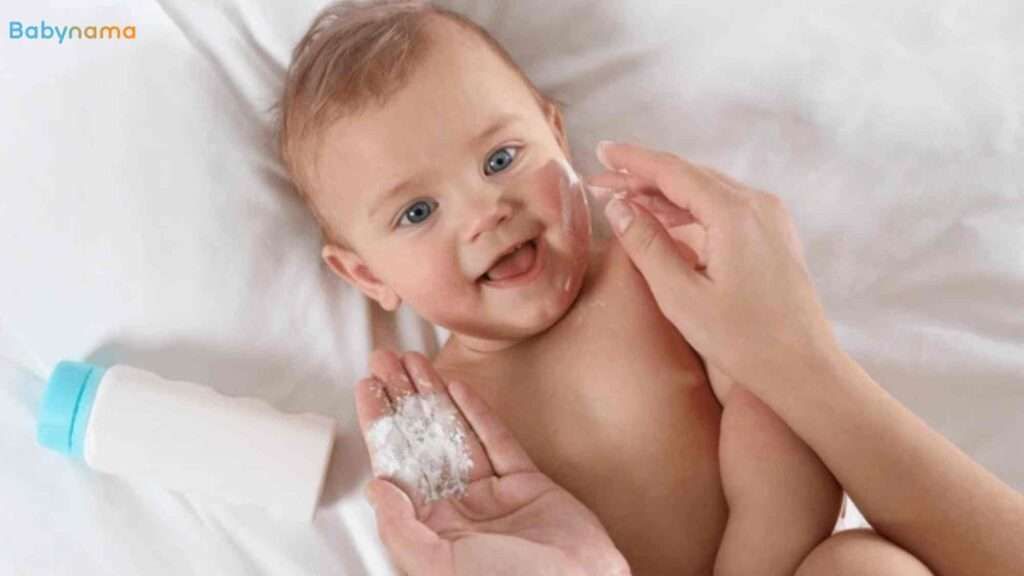
Is Talcum Powder Safe for Babies?
Quick Answer: Is Talcum Powder Safe?
No, talcum powder is generally NOT recommended for babies. While nani-dadi ke zamane mein baby powder was a staple after every bath, modern pediatricians advise against using it. The fine particles can be inhaled by your baby, potentially causing respiratory problems. Don’t worry - there are many safer alternatives to keep your baby’s skin dry and rash-free!
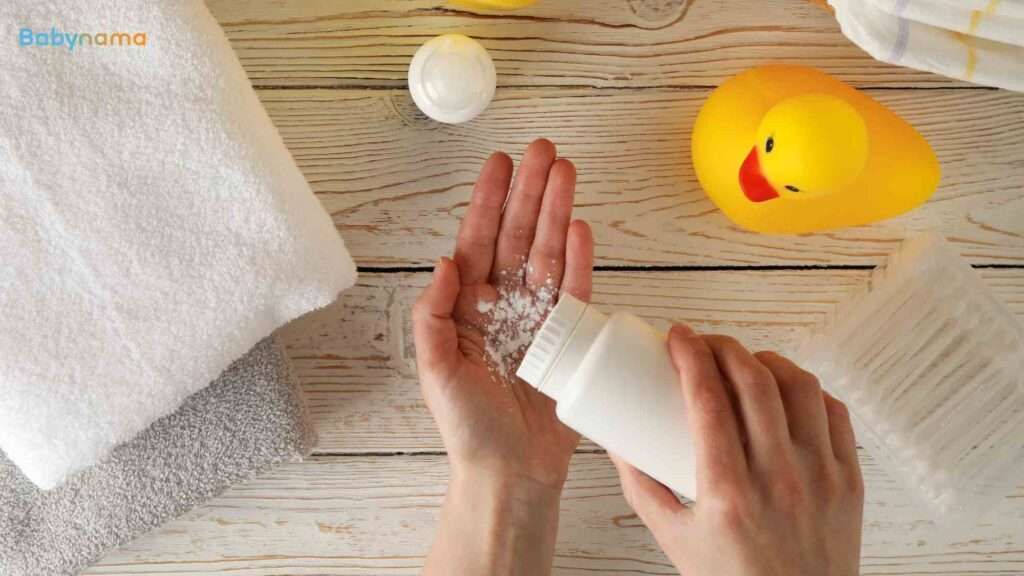
What Causes Concern About Talcum Powder?
Talcum powder poses two main risks for babies:
1. Inhalation Risk (Saans ki Problem)
-
Baby powder particles are extremely fine and become airborne when applied
-
When babies breathe in these particles, they can settle in the lungs
-
This may lead to coughing, wheezing, or breathing difficulties
-
Babies under 6 months are especially vulnerable due to their developing lungs 2. Contamination Concerns
-
Some talcum powders have been found to contain traces of asbestos
-
This has raised concerns about long-term health effects
-
Not all powders are equally pure or safe
When to Worry (Red Flags)
Seek immediate medical care if your baby shows:
-
Difficulty breathing or rapid breathing after powder application
-
Persistent coughing or choking
-
Wheezing sounds
-
Blue tint around lips or fingernails
-
Excessive fussiness or crying after exposure Schedule a doctor’s appointment if:
-
Your baby develops a rash in powder-applied areas
-
Skin appears irritated, red, or has daane (bumps)
-
Khujli (itching) seems to bother your baby
Safe Alternatives: What to Use Instead
The good news is you don’t need powder to keep your baby comfortable! Here are safer options:
For Keeping Baby Dry After Bath:
- Pat dry gently with a soft, clean cotton towel (malmal ka kapda works great)
- Air dry - let baby have some diaper-free time to naturally dry skin folds
- Cornstarch-based powders - if you must use powder, these are safer than talc
For Preventing Diaper Rash:
- Sebamed Baby Protective Facial Cream - gentle and effective
- Himalaya Diaper Rash Cream - affordable and trusted by Indian moms
- Mamaearth Diaper Rash Cream - natural ingredients
- Coconut oil (nariyal tel) - a traditional remedy that works!
- Zinc oxide creams - create a protective barrier
For Skin Folds and Chafing:
- Keep areas clean and dry
- Use a light layer of petroleum jelly
- Change diapers frequently (every 2-3 hours)
- Allow diaper-free time daily
Age-Specific Guidance
Newborns (0-3 months):
Absolutely avoid talcum powder. Focus on:
- Gentle sponge baths until umbilical cord falls off
- Pat drying thoroughly
- Using only water for cleaning
Infants (3-12 months):
- Continue avoiding talcum powder
- If using cornstarch powder, apply to your hands first, away from baby’s face
- Never shake powder directly onto baby
Toddlers (1+ years):
- Regular talcum powder is still not recommended
- Cornstarch-based options can be used more safely
- Teach older children not to play with powder containers
Home Care Tips
After Bath Routine (Nahane ke baad):
-
Wrap baby in a soft hooded towel immediately
-
Pat dry - don’t rub - especially in skin folds
-
Check behind ears, neck folds, underarms, and diaper area
-
Apply a light moisturizer if skin is dry (Sebamed, Cetaphil, or Himalaya baby lotion work well)
-
Let baby air out before putting on clothes For Hot Weather (Garmi mein):
-
Dress baby in loose, cotton clothes
-
Keep rooms well-ventilated
-
Give tepid water baths more frequently
-
Use ceiling fans, not direct AC on baby
Expert Insight: Dr. Sumitra recommends: ‘Less is more with baby skin. Most rashes heal on their own with minimal intervention.‘
FAQs
Q: My mother-in-law insists on using powder after bath. What should I say?
A: Share that modern pediatricians no longer recommend talcum powder due to breathing risks. Offer to show her safer alternatives like patting dry with malmal cloth or using cornstarch-based powder applied carefully. Most elders understand once they know about the lung concerns.
Q: Is Johnson’s Baby Powder safe?
A: Even branded baby powders containing talc carry inhalation risks. If you prefer using powder, look for cornstarch-based alternatives or simply pat dry with a clean cotton cloth.
Q: What about using powder only in the diaper area?
A: Even in the diaper area, powder can become airborne during diaper changes. A zinc oxide cream or coconut oil provides better protection against diaper rash without the respiratory risk.
Q: My baby gets prickly heat rashes in summer. Can I use powder then?
A: For ghamouri (prickly heat), keeping baby cool and dry is key. Instead of powder, try calamine lotion, frequent cool baths, and lightweight cotton clothes. Let baby spend time without clothes in a well-ventilated room.
Q: What if baby accidentally inhales some powder?
A: If baby coughs briefly and then seems fine, monitor for any breathing changes. If coughing persists, breathing becomes labored, or baby seems distressed, seek immediate medical attention.
This article was reviewed by a pediatrician. Last updated: January 2025
Need personalized guidance? Book a consultation with our pediatricians or explore our Care Plans for 24/7 expert support!