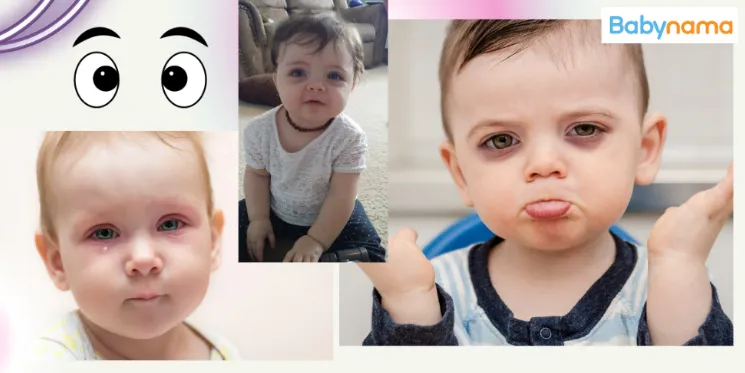
Quick Answer: Dark circles under a baby’s eyes are usually NOT a sign of serious illness. The most common causes are genetics (fair skin shows blood vessels), allergies (allergic shiners), nasal congestion, or simply thin skin. Rarely, they may indicate poor sleep or anemia. If your baby is otherwise healthy, eating well, and active, dark circles are usually not a cause for concern.
Why Do Babies Get Dark Circles?
The skin under the eyes is the thinnest on the body - in babies, it’s even thinner! This makes blood vessels more visible, creating a dark or bluish appearance.
Common Causes
| Cause | Why It Happens | What to Look For |
|---|---|---|
| Genetics | Fair skin, family trait | Parents/siblings have it too |
| Allergies | Blood pools from nasal congestion | Sneezing, runny nose, rubbing eyes |
| Nasal congestion | Blocks blood drainage from face | Stuffy nose, mouth breathing |
| Thin skin | Normal in babies | Otherwise healthy baby |
| Fatigue | Not enough sleep | Fussy, overtired signs |
| Dehydration | Not enough fluids | Fewer wet diapers |
“Allergic Shiners” - The Most Common Cause
When babies have allergies or chronic congestion, blood doesn’t drain properly from the face. This causes dark, puffy circles - called “allergic shiners.”
Signs of Allergies
- Dark circles along with:
- Frequent sneezing
- Clear runny nose
- Rubbing eyes or nose
- Snoring or mouth breathing
- Itchy skin or eczema
Common Triggers
| Indoor Allergens | Outdoor/Other |
|---|---|
| Dust mites | Pollen (seasonal) |
| Pet dander | Air pollution |
| Mold | Cigarette smoke |
| Cockroach debris | Strong fragrances |
Note: Allergies can develop at any age, even in young babies. If you suspect allergies, talk to your pediatrician.
Less Common Causes
Anemia (Low Iron)
Pale skin and dark circles can be a sign of anemia, but other symptoms would be present:
- Pale lips and nail beds
- Fatigue, weakness
- Poor appetite
- Frequent infections
Poor Sleep
Babies need a lot of sleep! Chronic sleep deprivation can cause dark circles:
| Age | Sleep Needed (24 hours) |
|---|---|
| 0-3 months | 14-17 hours |
| 4-12 months | 12-16 hours |
| 1-2 years | 11-14 hours |
Dehydration
Dark circles with:
- Fewer wet diapers
- Dry mouth/lips
- Sunken fontanelle (soft spot)
- Crying without tears
🚨 Severe dehydration in a baby is a medical emergency. Offer feeds and go to the nearest hospital, or call 112 (national emergency) or 108 (ambulance) right away.
When to Worry (Red Flags)
See your pediatrician if dark circles come with:
- Significant weight loss or poor feeding
- Extreme fatigue or lethargy
- Bruising elsewhere on body
- Frequent infections
- Pale skin, lips, or nail beds
- Swelling around eyes
- Fever (in a baby under 3 months, any fever of 100.4°F / 38°C or higher needs same-day medical care)
Seek immediate care if:
- Sudden appearance with swelling
- Signs of a severe allergic reaction (swelling of lips/face/tongue, difficulty breathing, sudden widespread rash): 🚨 Call 112 or 108 / go to the nearest hospital. If an adrenaline auto-injector has been prescribed, use it first.
- Signs of severe dehydration (sunken soft spot, no wet diapers, no tears, lethargy)
- Baby is very ill-appearing
- Any fever in a baby under 3 months (temperature 100.4°F / 38°C or higher) — this is a same-day emergency; do not just medicate and wait, see a doctor the same day
What You Can Do at Home
For Allergy-Related Dark Circles
| Action | How It Helps |
|---|---|
| Use air purifier | Reduces indoor allergens |
| Wash bedding weekly | Hot water kills dust mites |
| Keep pets out of bedroom | Reduces dander exposure |
| Vacuum regularly | HEPA filter best |
| Saline nasal drops | Clears congestion |
For Congestion
- Use a humidifier (cool mist)
- Nasal saline drops before feeds
- Elevate mattress head slightly (under mattress, not pillow)
- Nasal suction if needed
For Better Sleep
- Consistent bedtime routine
- Dark, quiet room
- Appropriate room temperature (20-22°C)
- Watch for tired cues
General Tips
- Ensure adequate hydration (for babies under 6 months, this means breast milk or formula only — nothing else by mouth)
- Protect from harsh sun
- Don’t apply any creams under baby’s eyes unless prescribed
Do NOT Do This
| Don’t | Why |
|---|---|
| Apply under-eye creams | Baby skin is too sensitive |
| Use cold compresses on young babies | Can be harmful |
| Give antihistamines without doctor | Not safe for young babies |
| Panic | Dark circles are usually not a cause for concern |
When Dark Circles Are Normal
It’s likely nothing to worry about if:
- Baby is otherwise healthy and happy
- Feeding well and gaining weight
- Normal wet diapers
- Alert and active when awake
- No other symptoms
- Family history of dark circles
Reassurance: Many babies naturally have visible blood vessels under their thin eye skin. If your baby is thriving, the dark circles are very unlikely to be anything serious.
Frequently Asked Questions
Q: Do dark circles mean my baby isn’t sleeping enough?
A: Not necessarily! In babies, dark circles are more often due to genetics or allergies than lack of sleep. If your baby is sleeping appropriate hours for their age and seems well-rested, sleep isn’t likely the cause.
Q: Should I get my baby tested for anemia?
A: If dark circles are the only concern and your baby is otherwise healthy, testing isn’t usually necessary. But mention it at your next well-baby visit. If there are other symptoms (paleness, fatigue, poor appetite), testing is a good idea.
Q: Will my baby outgrow dark circles?
A: It depends on the cause. Genetic dark circles may persist (just like in adults!). Allergy-related circles often improve with treatment or when allergies are outgrown.
Q: My baby has dark circles and eczema. Are they related?
A: Possibly! Both can be signs of atopy (allergic tendency). Children with eczema often have allergies that cause “allergic shiners.” Managing both conditions helps.
Q: Can teething cause dark circles?
A: Teething itself doesn’t cause dark circles, but the disrupted sleep and increased congestion during teething can make them more noticeable temporarily.
Key Takeaways
- Usually harmless - Dark circles in babies are rarely serious
- Common causes - Genetics, allergies, congestion, thin skin
- “Allergic shiners” - Look for allergy symptoms alongside dark circles
- When to worry - If accompanied by other symptoms or baby seems unwell
- Home care - Address allergies, ensure good sleep, keep baby hydrated
- No eye creams - Baby’s delicate skin doesn’t need products
This article was reviewed by Babynama Pediatricians. Last updated: January 2026
General information for Indian parents, not a substitute for your pediatrician. In an emergency, call 112 or 108.
Need personalized guidance? Book a consultation with our pediatricians or explore our Care Plans for 24/7 expert support!
Related Tools
Continue with this topic
A useful next step
Browse baby skin-care articlesFind guidance on rashes, eczema, dryness and everyday baby skin care.Have a question about your little one?
Join our free community for live Q&A with MD pediatricians — no cost to join.
Join the free community