
Quick Answer
Bachche ko TV ke bina engage karna mushkil lagta hai - lekin possible hai! The secret is not just removing screens, but REPLACING them with engaging alternatives. This guide gives you 50+ screen-free activities (TV band karke kya karein), practical strategies for reducing screen time gradually, and tips for handling those inevitable tantrums. Remember: some screen time is okay, but balance is key!
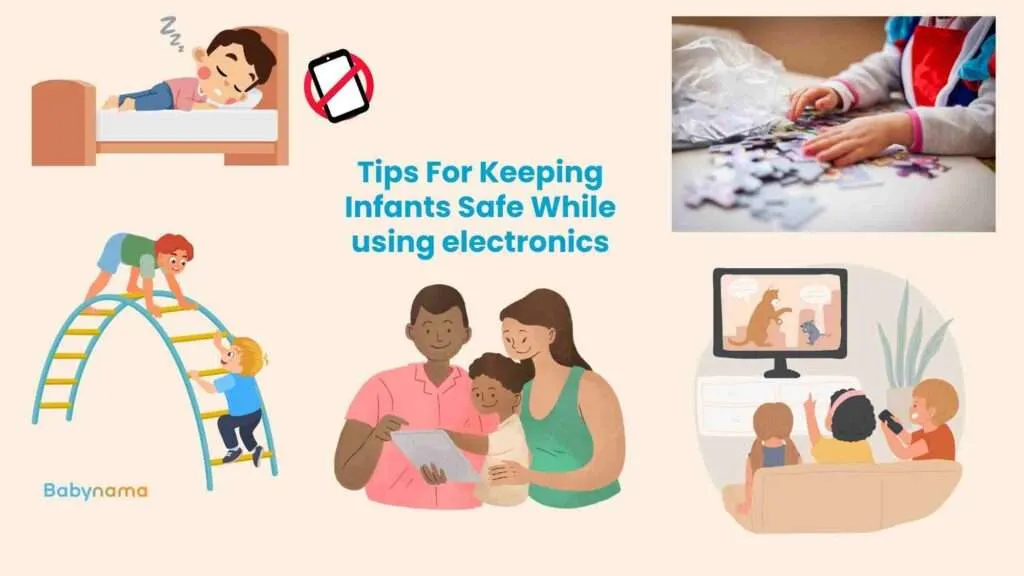
Understanding Screen Time Guidelines
Recommended Limits (Kitna Screen Theek Hai?)
| Age | Recommendation |
|---|---|
| Under 18 months | NO screen time (except video calls with nani-dadi) |
| 18-24 months | Very limited, high-quality only, WITH parent |
| 2-5 years | Maximum 1 hour per day, high-quality content |
| 6+ years | Consistent limits, prioritize neend and activity |
Why Limiting Screens Matters
Too much screen time affects:
- Neend - Blue light disrupts sleep (sone mein problem)
- Language development - Screens can’t replace human interaction
- Attention span - Fast content reduces focus ability
- Physical activity - Bachcha hilta-dulta nahi
- Behavior - Meltdowns when screen taken away (phone chhinte hi rona)
- Eye health - Strain and myopia risk (aankh kharab)
Step-by-Step Guide to Reducing Screen Time
Step 1: Assess Current Usage (Pehle Jaano Kitna Dekh Raha Hai)
Track for one week:
-
When does child use screens?
-
How long each session?
-
What triggers screen use?
-
What activities are being replaced? Common triggers identified by Indian parents:
-
Parent cooking/working (khana banate waqt)
-
Feeding time (khilate waqt)
-
Bedtime (sone se pehle)
-
Boredom (bore ho gaya)
-
Meltdowns/tantrums (rona shuru ho gaya)
Step 2: Set Clear Rules (Niyam Banaao)
Create family screen rules:
-
No screens during meals (khana khate waqt nahi)
-
No screens 1 hour before bed
-
No screens in bedroom
-
Specific “screen time” slot only
-
Earn screen time with activities Be specific and clear:
-
“30 minutes after homework” is better than “thoda TV dekh lo”
-
Write rules down and display them
-
Everyone follows - including parents!
Step 3: Replace, Don’t Just Remove (Hataao Nahi, Badlo!)
The key: Have alternatives READY before reducing screens!
Replace screen triggers with:
| Instead of this… | Try this… |
|---|---|
| TV while cooking | Water play in sink, play dough, coloring |
| Phone during feeding | Songs, finger play, talking to child |
| Tablet at bedtime | Books, stories, lori (lullaby) |
| Screen for boredom | Activity box (see below) |
| Screen during tantrum | Calm corner, sensory toys |
Step 4: Create an Activity Box (Activity Ka Dabba)
Prepare a box of screen-free activities for each age:
For Babies (0-12 months):
-
Rattles and shakers (jhunjhuna)
-
Soft cloth books
-
Stacking cups
-
Sensory bottles (glitter bottle)
-
Texture balls
-
Safe mirrors For Toddlers (1-3 years):
-
Play dough (ghar pe banaao: atta + namak + tel + paani)
-
Crayons and paper
-
Stickers
-
Simple puzzles (4-12 pieces)
-
Building blocks
-
Pretend play items (kitchen set, doctor set) For Preschoolers (3-6 years):
-
Art supplies (rang, brushes, paper)
-
Board games (Ludo, Snakes & Ladders)
-
LEGO/building sets
-
Dress-up clothes
-
Simple science experiments
-
Story books
Step 5: Gradually Reduce (Dheere Dheere Kam Karo)
Don’t go cold turkey - bachcha react karega!
Week 1: Reduce by 30 minutes
Week 2: Reduce by another 30 minutes
Week 3: Replace one full session with activity
Week 4: Establish new routine
Expect resistance - it WILL get better in 1-2 weeks!
50+ Screen-Free Activity Ideas
Indoor Activities (Ghar Ke Andar)
Quiet Activities:
-
Reading books together (picture books)
-
Drawing and coloring
-
Play dough/clay
-
Puzzles
-
Sticker activities
-
Sorting games (buttons, dal, beads for older kids)
-
Threading activities (maala banana)
-
Origami/paper folding Active Indoor Play:
-
Dance party - music laga ke nacho!
-
Pillow fort building
-
Hide and seek (chhupa-chhupai)
-
Indoor obstacle course
-
Yoga for kids
-
“Floor is lava” game
-
Balloon volleyball Pretend Play:
-
Kitchen/cooking play (khana banana)
-
Doctor-doctor
-
Shop/dukaan
-
Teacher-teacher
-
Dress-up Creative Activities:
-
Painting (finger paint safe hai)
-
Craft projects
-
Collage making (magazine cutting)
-
Homemade cards for nani-dadi
-
Decorating diyas/crafts
Outdoor Activities (Bahar Khelo!)
- Park time - jhula, slide
- Ball games
- Cycling
- Running races
- Nature walks
- Bug/insect watching
- Sand/mud play
- Gardening (plant lagaao)
- Bird watching
- Puddle jumping (barsaat mein!)
- Flying kites (patang)
- Hopscotch (stapoo/langdi)
- Skipping rope (rassi kudna)
- Catching games
- Playing with pets
With Parents/Family (Saath Mein)
- Cooking together (roti gol karna, aata gundhna)
- Baking (measuring is fun for kids!)
- Cleaning together (make it a game)
- Grocery shopping
- Temple/community visits
- Visiting relatives
- Family board game night
- Story time
- Singing songs (rhymes, bhajans)
- Looking at family photos
Sensory Play
- Water play
- Rice/dal bin play
- Slime making
- Kinetic sand
- Bubble play (bubbles udaana)
- Shaving cream art
Tips for Success (Kaise Kaamyaab Ho)
Make Yourself Available
- Screen time often fills parent-unavailable gaps
- 15 minutes of focused play = child plays independently longer after
- Get them started on activity, then step back
Create Screen-Free Zones
- Dining table - ALWAYS (khana khate waqt kabhi nahi)
- Bedrooms - ALWAYS
- Car rides - most of the time
Be a Role Model (Aap Bhi Example Set Karo)
Children copy you!
- Limit your own phone use around children
- Don’t use phone during meals
- Choose books/activities yourself
- Announce “Main bhi phone rakh raha hoon”
Make Transitions Easier
Give warnings:
- “5 minute aur, phir TV band”
- Use timer (visual timer helps toddlers)
- Have next activity ready
- Acknowledge feelings (“Pata hai aur dekhna hai, lekin…”)
Common Mistakes to Avoid
| Mistake | Why It Backfires | What to Do Instead |
|---|---|---|
| Sudden complete ban | Child becomes obsessed | Gradual reduction |
| Using screens as reward | Increases screen value | Reward with activities |
| Screens during meals | Overeating, no family time | Strict no-screen meal rule |
| Screens before bed | Neend kharab hoti hai | Calm activities instead |
| Different rules for parents | “Aap kyun phone chalate ho?” | Model limits yourself |
| No alternative ready | Child has nothing to do | Always have activity box |
Age-Specific Strategies
Babies (0-12 months)
Ideally: NO screens
- They need real human interaction
- Video calls with grandparents OK
- Alternatives: songs, rattles, peek-a-boo, tummy time
Toddlers (1-3 years)
Maximum 30 min-1 hour, if at all
- Always watch together
- Talk about what you see
- Choose slow-paced content (Cocomelon is too fast!)
- Alternatives: sensory play, outdoor time, books
Preschoolers (3-5 years)
Maximum 1 hour
- Can understand rules better
- Use timer
- Earn screen time after activities
- Alternatives: craft, pretend play, outdoor games
School-Age (6+ years)
Balance with other activities
- Screen time after homework/physical activity
- Weekday vs weekend rules
- Content monitoring important
- Alternatives: hobbies, sports, friends, reading
When to Seek Help
Consider professional guidance if:
- Child has severe meltdowns when screen removed
- Screen use interfering with neend, school, relationships
- Child prefers screens over ALL other activities
- Developmental concerns (speech delay, social issues)
- Screen addiction-like behaviors
Frequently Asked Questions
Q: Khana sirf TV ke saamne khata hai. Kaise band karun?
A: This is common but needs to change! Start gradually: turn off TV, offer favorite food first, keep meals short (15-20 min) initially, make mealtimes interactive (talk, play games). First few days will be hard - child may eat less. Stay consistent. In 1-2 weeks, new habit forms. NEVER use “finish food for TV” - makes problem worse! Some hunger is okay; child won’t starve.
Q: Nuclear family, both parents working. Screen ke bina bachcha sambhalna mushkil hai.
A: We understand - it’s genuinely hard! Be realistic - some screen time may be necessary for sanity. Focus on: quality over quantity, interactive content (not just passive watching), limiting to specific times only, and maximizing non-screen time when you ARE available. Rotate activity boxes weekly. Consider help (part-time aaya to engage child, family help). Every small reduction helps - don’t aim for perfection!
Q: Bachcha rota hai jab phone chhino. What to do?
A: Tantrums are normal when screens are limited - they’re genuinely addictive! Stay calm, acknowledge feelings (“Pata hai bahut sad ho, aur dekhna tha”), but don’t give in. Have alternative activity ready. The crying will reduce over 1-2 weeks if you’re consistent. If you give in after crying, child learns “jor se rone se phone milta hai” - makes it worse!
Q: Ghar mein TV chalta rehta hai - kaise band karun?
A: Background TV is harmful for children even if not “watching” - affects language development and attention. Steps: turn off when not actively watching, designate TV-free times (meals, morning routine), consider TV location (not in main living area?), get family agreement on change. Adult shows especially problematic around children. Use music instead for background sound.
Q: Educational apps OK hain na?
A: “Educational” doesn’t mean unlimited! Screen is still screen - affects attention, neend, physical activity same way. If using educational apps: max 30-60 min depending on age, sit WITH child and discuss, choose slow-paced content. Real learning (books, play, conversation) is ALWAYS better than any app. Many “educational” apps are just entertainment with fancy marketing.
This article was reviewed by Babynama Pediatricians. Last updated: January 2025
General information for Indian parents, not a substitute for your pediatrician. In an emergency, call 112 or 108.
Struggling with screen time battles? Babynama’s pediatricians can help you create a realistic plan for your family. Chat with us on WhatsApp!
Need personalized guidance? Book a consultation with our pediatricians or explore our Care Plans for 24/7 expert support!
Have a question about your little one?
Join our free community for live Q&A with MD pediatricians — no cost to join.
Join the free community