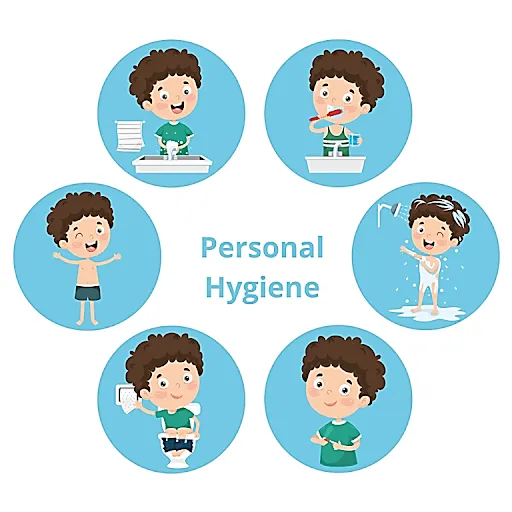
Quick Answer: Teaching hygiene habits early sets children up for lifelong health! Start with handwashing (20 seconds with soap), brushing teeth twice daily, bathing regularly, and covering coughs/sneezes. Make it fun with songs, games, and rewards. Lead by example - children copy what they see. Good hygiene prevents common illnesses and builds self-care skills.
Why Good Hygiene Matters
Good hygiene habits protect your child from:
- Common colds and flu
- Stomach infections and diarrhea
- Skin infections
- Tooth decay and gum disease
- Spreading illness to others | Hygiene Habit | Prevents | | — | — | | Handwashing | 30% of diarrheal diseases, 20% of respiratory infections | | Tooth brushing | Cavities, bad breath, gum disease | | Bathing | Skin infections, body odor | | Nail trimming | Germs under nails, scratches |
Important: Children who learn hygiene early are more likely to maintain these habits as adults!
Essential Hygiene Habits by Age
Infants (0-12 months)
| Habit | How to Do It |
|---|---|
| Bathing | 2-3 times weekly, sponge bath for newborns |
| Diaper changes | Every 2-3 hours or when soiled |
| Nail care | Trim when sleeping with baby nail clippers |
| Oral care | Wipe gums with clean cloth after feeds |
Toddlers (1-3 years)
| Habit | How to Teach |
|---|---|
| Handwashing | After toilet, before meals (you help) |
| Tooth brushing | Twice daily (you do it for them) |
| Face washing | Morning routine (with help) |
| Hair washing | 2-3 times weekly during bath |
Preschoolers (3-5 years)
| Habit | Independence Level |
|---|---|
| Handwashing | Can do alone with supervision |
| Tooth brushing | Does it, you check and re-brush |
| Bathing | Needs help with hair and hard-to-reach areas |
| Toilet hygiene | Learning to wipe properly |
School Age (5+ years)
| Habit | Goal |
|---|---|
| All hygiene tasks | Mostly independent |
| Deodorant | Introduce around puberty |
| Menstrual hygiene | Girls need guidance before puberty |
Handwashing: The Most Important Habit
When to Wash Hands
- Before eating or touching food
- After using the toilet
- After playing outside
- After touching pets
- After coughing, sneezing, or blowing nose
- After touching garbage
- When hands look dirty
The 20-Second Rule
Proper handwashing takes 20 seconds:
- Wet hands with clean water
- Apply soap
- Lather well - palms, backs, between fingers, under nails
- Scrub for 20 seconds (sing “Happy Birthday” twice)
- Rinse thoroughly
- Dry with clean towel or air dry
Making It Fun
| Strategy | How It Works |
|---|---|
| Sing a song | ABC song, Happy Birthday (twice) |
| Use fun soap | Colorful, scented, or foaming |
| Reward chart | Stickers for washing hands |
| Glow germ game | Glitter shows “germs” that need washing off |
Tooth Brushing Basics
When to Start
| Age | What to Do |
|---|---|
| Before teeth | Wipe gums with damp cloth |
| First tooth | Start brushing twice daily |
| Under 3 | Use rice-grain sized toothpaste |
| 3-6 years | Pea-sized toothpaste |
| 6+ years | Can use regular amount |
Brushing Technique
- Brush for 2 minutes (use a timer or song)
- Brush all surfaces - front, back, chewing surface
- Brush gently in small circles
- Don’t forget the tongue
- Spit out toothpaste, don’t rinse with water
Making It Fun
- Let child choose their own toothbrush (favorite character)
- Use a timer app with fun sounds
- Brush together as a family
- Make it part of bedtime routine
- Praise good brushing
Bathing and Body Care
How Often to Bathe
| Age | Frequency |
|---|---|
| Infants | 2-3 times weekly |
| Toddlers | 2-3 times weekly or as needed |
| School age | Daily or every other day |
| Puberty | Daily |
Teaching Self-Bathing
Ages 3-5: Child can:
-
Wash arms, legs, tummy with help
-
Play with bath toys (makes it fun) Ages 5-7: Child can:
-
Wash most of body independently
-
Needs help with hair Ages 7+: Child can:
-
Bathe independently
-
May need reminders about thoroughness
Don’t Forget
- Behind ears
- Neck folds
- Between toes
- Private areas (teach proper cleaning)
Nail Care
Why It Matters
Long or dirty nails can:
- Harbor germs and bacteria
- Cause scratches and infections
- Spread pinworms
Tips for Trimming
- Trim after bath (nails are softer)
- Use child-safe clippers
- Cut straight across, not too short
- File sharp edges
- Check weekly
Teaching Cough and Sneeze Etiquette
The “Vampire Cough”
Teach children to cough/sneeze into their elbow (like a vampire’s cape):
- Keeps hands clean
- Prevents spreading germs
- Easy to remember
Using Tissues
- Keep tissues accessible
- Use tissue to cover nose/mouth
- Throw tissue in bin immediately
- Wash hands afterward
Tips for Success
Lead by Example
Children learn by watching:
- Wash your hands with them
- Let them see you brushing teeth
- Talk about why hygiene matters
Make It Routine
| Time | Hygiene Activity |
|---|---|
| Morning | Toilet, wash face, brush teeth |
| Before meals | Wash hands |
| After meals | Wash hands, wipe face |
| After play | Wash hands |
| Bedtime | Bath, brush teeth, toilet |
Use Positive Reinforcement
- Praise effort, not just results
- Use sticker charts
- Celebrate milestones
- Avoid shaming or punishment
Be Patient
- Learning takes time
- Expect regression during illness or stress
- Keep reminding gently
- Make it positive, not a battle
Common Challenges and Solutions
| Challenge | Solution |
|---|---|
| Won’t wash hands | Make it a game, use fun soap |
| Hates tooth brushing | Let them choose toothbrush, try different flavors |
| Bath tantrums | Use toys, reduce frequency if possible |
| Resists nail cutting | Do it during sleep or screen time |
| Forgets hygiene | Visual reminders, consistent routine |
Frequently Asked Questions
Q: My toddler puts everything in their mouth. How do I teach hygiene?
A: Keep frequently touched items clean, wash their hands often (even if they don’t understand why yet), and they’ll outgrow this phase.
Q: At what age should my child bathe independently?
A: Most children can bathe alone (with you nearby) around age 6-8. Until then, supervise for safety and check they’re actually cleaning themselves.
Q: My child refuses to brush teeth. Any tips?
A: Try electric toothbrush (feels fun), let them choose toothpaste flavor, brush together, use apps with timers, and make it non-negotiable part of routine.
Q: How do I teach hand hygiene at school?
A: Practice at home until it’s automatic. Pack hand sanitizer in their bag. Talk to teachers about classroom handwashing opportunities.
Key Takeaways
- Start early - Habits formed young stick for life
- Lead by example - Children copy what they see
- Make it fun - Songs, games, and rewards help
- Be consistent - Same routine every day
- Be patient - Learning takes time and repetition
- Praise effort - Positive reinforcement works best
This article was reviewed by Babynama Pediatricians. Last updated: January 2026
General information for Indian parents, not a substitute for your pediatrician. In an emergency, call 112 or 108.
Need personalized guidance? Book a consultation with our pediatricians or explore our Care Plans for 24/7 expert support!
Have a question about your little one?
Join our free community for live Q&A with MD pediatricians — no cost to join.
Join the free community