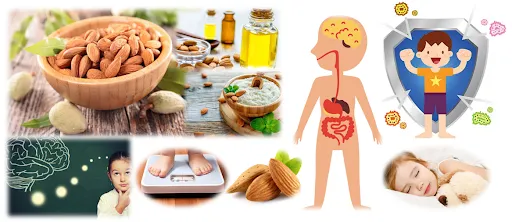
If your toddler seems thin and you keep hearing that they look “kamzor”, you are not alone. Many Indian parents worry about weight. The good news: helping a toddler gain weight is rarely about feeding more food. It is about feeding the right kind of food, often enough, in a calm way. The aim is healthy weight gain from nutritious, calorie-dense foods, not from biscuits, chips or sugary drinks.
Quick Answer
To help an underweight toddler gain weight in a healthy way, offer calorie-dense, nutrient-rich foods in small, frequent meals (around 3 meals plus 2 to 3 snacks a day). Add a little healthy fat or energy boost to each meal, such as ghee, full-fat dairy, eggs, or finely ground nuts and seeds. Avoid filling your child up on milk, juice or water just before meals, as this kills their appetite. Most importantly, if your child is genuinely not gaining weight or seems to be slipping on the growth chart, see your paediatrician first to rule out any medical cause before simply piling on calories.
First — Check With Your Doctor
Before you change your child’s diet, it is worth confirming there is a real problem. A toddler who is small but active, growing steadily and meeting milestones is often just naturally lean, and that can be perfectly normal.
Your paediatrician will plot your child’s weight and height on a growth chart over time. What matters is the trend, not a single number. If the weight curve is flattening or dropping across percentiles (sometimes called faltering growth), the doctor will look for causes such as anaemia, recurring infections, feeding difficulties, food intolerances or problems with absorption. Following paediatric guidance, these are best ruled out early, because no amount of ghee will fix a problem that needs medical treatment. Getting a proper assessment means your weight-gain plan actually works.
Best Healthy Weight-Gain Foods
These foods pack more energy and nutrition into each spoonful, which is exactly what a small tummy needs:
- Ghee: A teaspoon stirred into dal, khichdi, porridge or spread on roti adds easy, healthy calories.
- Full-fat dairy: Paneer, curd, cheese and full-fat milk (in moderation) give fat, protein and calcium. Paneer cubes and thick curd are great toddler foods.
- Nut and seed powders: Peanut, almond and walnut as a fine powder or smooth paste, or nut butters, are calorie-rich. Never give whole nuts to a toddler — they are a choking hazard. Always grind to a powder or paste. Introduce a new nut in a small amount and watch for any allergic reaction; if your family has a history of nut allergy, check with your doctor first.
- Eggs: Boiled, scrambled or in an omelette, eggs are an excellent, affordable source of protein and fat.
- Dal with ghee: Simple, familiar, and a good protein base when topped with a little ghee.
- Banana: Soft, sweet and energy-dense, easy to mash or blend.
- Sweet potato: Naturally sweet and filling, lovely mashed with a little ghee.
- Ragi: Ragi porridge with ghee and a spoon of dry-fruit powder is a classic, nourishing weight-gain food.
- Avocado: Soft and high in healthy fats, easy to mash for toddlers.
A spoon of dry-fruit powder (made from ground almonds, walnuts and dates) stirred into milk or porridge is an easy way to lift the calories of a meal your child already eats.
How to Boost Calories at Each Meal
You often do not need new dishes, just small additions to the food your toddler already accepts:
- Stir a teaspoon of ghee into dal, khichdi, rice or porridge.
- Add a spoon of nut or dry-fruit powder to milk, curd, ragi or oats.
- Cook with a little healthy oil and add paneer or cheese to vegetables and parathas.
- Mash avocado or banana into spreads and porridges.
- Use full-fat curd instead of low-fat versions.
These small “calorie toppers” add up over the day without making the meal bigger or harder to finish.
Feeding Strategy
How you feed matters as much as what you feed.
- Small, frequent meals: Toddlers have tiny stomachs. Aim for roughly 3 meals and 2 to 3 healthy snacks rather than a few large meals.
- Do not fill them on liquids: Too much milk, juice or even water before a meal blunts appetite. Limit milk to about 2 cups a day, and keep juice minimal. Offer most fluids after or between meals, not right before.
- Keep mealtimes pleasant: Sit together, keep screens off, and let your child explore food. Never force-feed. Pressure and tension at the table make children eat less, not more.
- Be patient: It is normal for toddlers to eat well one day and refuse the next. Look at the week, not the meal.
Avoid the Junk-Food Trap
It is tempting to reach for biscuits, chips, namkeen and sugary drinks because they add weight quickly. Resist this. These give empty calories with little protein, iron or healthy fat, can spoil appetite for real food, and set up unhealthy habits. Weight gained this way is not the healthy growth you want. Healthy weight comes from nutrient-dense whole foods, not from sugar and packaged snacks.
Indian Context
Indian kitchens are well stocked for healthy weight gain. Ghee and khichdi are gentle, calorie-rich and easy to digest. Dry-fruit powders, ragi, paneer and dal are affordable everyday staples that do the job better than any expensive supplement.
It also helps to manage the worry itself. The constant family comparison and the “your child looks kamzor” comments can push parents into over-feeding or panic. Trust the growth chart and your paediatrician over relatives’ opinions. A steadily growing, active, happy toddler is doing fine, even if they are on the slimmer side.
When to See Your Doctor
Speak to your paediatrician if your toddler:
- Is losing weight, or has not gained for a long stretch.
- Is slipping down the growth chart over successive visits.
- Eats very little despite your best efforts, or refuses most foods.
- Seems persistently tired, pale, or is falling behind on milestones.
- Has frequent infections, loose stools, or vomiting.
These can be signs of an underlying issue that needs proper assessment and a tailored plan.
Frequently Asked Questions
Q: Is ghee safe for my toddler every day?
A: Yes, in small amounts ghee is a healthy, traditional source of energy for toddlers. A teaspoon or two added to meals through the day is a good way to boost calories. There is no need to overdo it.
Q: How much milk should an underweight toddler drink?
A: Limit milk to about 2 cups a day. Too much milk fills a small tummy and reduces appetite for solid, nutrient-rich foods, which can actually slow healthy weight gain.
Q: Can I give my toddler almonds or other nuts to gain weight?
A: Yes, but only as a fine powder or smooth paste, never whole. Whole nuts are a serious choking hazard for young children. Nut powders stirred into milk or porridge add healthy calories safely.
Q: My toddler is active and happy but thin. Should I worry?
A: Often not. A child who is growing steadily on their own curve, is energetic and meeting milestones is usually just naturally lean. Let your paediatrician confirm this using the growth chart rather than relying on comparisons.
Q: How long before I see weight gain?
A: Healthy weight gain is gradual and shows over weeks to months, not days. Stay consistent with calorie-dense foods and frequent meals, and track the trend on the growth chart with your doctor.
Worried about your toddler’s growth and want to talk it through with a paediatrician? join here
This article is for general information and is not a substitute for personalised medical advice. Always consult your paediatrician about your own child.
Continue with this topic