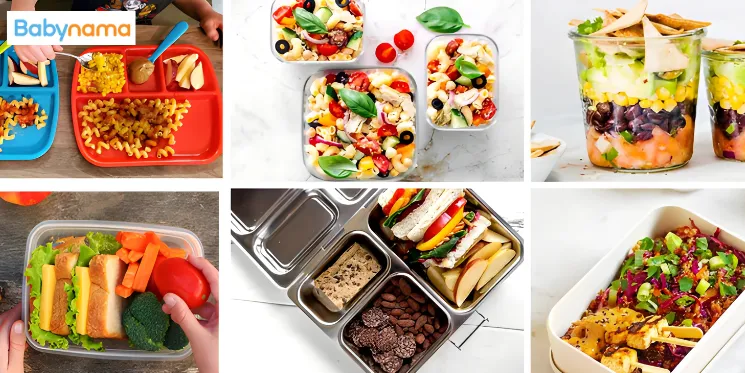
Packing a toddler’s tiffin can feel like a daily puzzle. You want something they will actually eat, that keeps them full and fuelled, and that is genuinely good for them. The good news is that the best toddler tiffin is usually simple, home-cooked Indian food in small, child-friendly portions.
Quick Answer
A good toddler tiffin is balanced real food: a carbohydrate (roti, rice, idli, poha) + some protein (dal, paneer, curd, egg, moong) + a vegetable or fruit + a little healthy fat (ghee, a touch of oil). Keep it low in salt and added sugar, skip packaged junk (chips, biscuits, sugary drinks), and make every item choking-safe by cutting or cooking it to a soft, manageable texture. Offer water, not juice.
What Makes a Good Toddler Tiffin
Toddlers have small stomachs and big energy needs, so each bite has to count.
- Balance over volume. Aim for a carb + protein + veg/fruit + a little fat in every box. This combination gives steady energy rather than a quick sugar spike.
- Low salt and sugar. Toddler kidneys are still developing, and an early taste for very salty or sweet food tends to stick. Season lightly; let natural flavours do the work.
- Right texture for age. Food should be soft enough to chew and swallow easily. Mash, cook well, or cut small.
- Choking-safe. For under-4s, avoid whole nuts, whole grapes, hard raw vegetables and popcorn. Modify these (see below) instead of leaving them out of the diet entirely.
- Real food first. Home-cooked items beat packaged “kids’ snacks,” which are often high in salt, sugar and refined flour with little real nutrition.
Easy Indian Tiffin Ideas
Mix and match these. Most can be made from your regular kitchen with little extra effort.
- Veg paratha + curd. Grate in carrot, beetroot, methi or palak. A small katori of plain curd adds protein and makes it a complete meal.
- Mini idlis with mild chutney. Soft, easy to chew, and easy little hands can pick them up. Keep the chutney mild and low on chilli.
- Besan or moong cheela. Thin savoury pancakes packed with protein. Add finely chopped or grated veg to the batter.
- Vegetable poha or upma (soft). Light, soft and quick. Add peas, carrot and a little ghee.
- Paneer cubes. Lightly sauteed or plain soft cubes are an easy protein and great finger food.
- Dal-rice or khichdi. A classic complete meal: carbs, protein and easy to digest. A spoon of ghee adds healthy fat.
- Soft chapati rolls with veg. Spread a thin layer of mashed dal, paneer bhurji or grated veg and roll. Cut into small bite-sized pieces.
- Fruit pieces (cut safe). Banana, papaya, soft pear, chikoo or mango in small pieces. Halve or quarter grapes lengthwise.
- Boiled egg. Cut into small pieces; a good source of protein and healthy fat for non-vegetarian families.
- Homemade veg cutlets. Potato, peas and other veg, shallow-fried or baked, cut small.
- Ragi or sooji items. Ragi porridge, sooji halwa (lightly sweetened) or sooji upma add variety and minerals.
- Dhokla. Soft, steamed and protein-rich from besan. Keep pieces small and the seasoning mild.
Snack Ideas
Snacks between meals should be small and nutritious, not just “something to chew on”:
- Cut soft fruit or a few steamed veg sticks (soft enough to gum).
- A small katori of curd or homemade fruit yoghurt.
- Roasted makhana, lightly crushed or offered soft for younger toddlers (whole only once your child chews well, and always supervised), or a small piece of besan chilla.
- A few paneer cubes or a boiled egg slice.
- Sooji or ragi laddoo made at home with minimal sugar.
Keep store-bought biscuits, namkeen and chocolate as rare treats, not daily snacks.
Choking and Food Safety
A few simple habits keep tiffin time safe:
- Cut and cook to size. Halve grapes lengthwise, chop nuts into nut butter or fine powder, cook hard vegetables until soft, and avoid popcorn for under-4s.
- Always supervised, seated eating. Discourage eating while walking, running or in the car.
- Keep it fresh. Pack food cooked the same morning where possible. In Indian heat, cooked food sitting out for hours can spoil quickly.
- Use food-safe, insulated storage. Especially for curd, paneer and egg, which spoil fast when warm.
Tips to Get Them to Eat It
- Variety and colour. A box with two or three different colours is more inviting than one beige item.
- Small portions. A heaped box can overwhelm a toddler. Offer less; refill if they want more.
- Involve the child. Let them help pick, wash or assemble. Children eat better when they feel part of the process.
- Water, not juice. Send water in the bottle. Even “real” fruit juice is concentrated sugar and fills them up without the fibre of whole fruit.
- Don’t replace food with milk. Milk is a drink, not a meal. Too much milk can blunt appetite for solid food and iron-rich items.
Indian Context: School Tiffin and What to Avoid
For older toddlers starting playschool, the same rules apply, just more portable and mess-free: paratha rolls, idli, dhokla, cut fruit and paneer travel well.
The bigger issue is the daily habit foods that creep in. Maggi, chips, packaged biscuits and sugary drinks are fine as the occasional treat, but not as everyday tiffin. Eaten daily, they crowd out real nutrition and set up a preference for ultra-processed taste early. A home-cooked rotation costs less and serves your child far better.
When to Ask Your Doctor
Many toddlers are fussy eaters, and a child who eats a small but reasonable variety over a week is usually fine. Talk to your paediatrician if your child:
- Eats only a very narrow range of foods and refuses most others.
- Is not gaining weight or seems to be losing weight.
- Gags, chokes or struggles with textures often.
- Seems low on energy, pale or unusually tired.
Paediatric guidance can help rule out iron deficiency, oral or sensory issues, or other concerns, and give a plan tailored to your child.
Frequently Asked Questions
Q: How much should a toddler eat in a tiffin?
A: Less than you might think. A toddler’s stomach is roughly the size of their fist, so small portions across the day work better than large meals. Offer a small balanced box and refill if they want more rather than overfilling it.
Q: My toddler only wants the same food every day. Is that okay?
A: Food jags are common and usually pass. Keep gently offering small amounts of other foods alongside the favourite without pressure. If the accepted list shrinks to very few items or excludes whole food groups, check with your paediatrician.
Q: Can I send milk or juice instead of food?
A: No. Milk is a drink, not a meal, and too much can dull appetite for solids and iron-rich foods. Skip juice altogether and send water; offer whole fruit instead.
Q: Are nuts safe in a toddler’s tiffin?
A: Whole nuts are a choking risk for under-4s. You can still give the nutrition by using smooth nut butter (thinly spread) or finely powdered nuts mixed into porridge or laddoo.
Q: Is it okay to give chips or biscuits sometimes?
A: An occasional treat is fine and normal. The problem is daily use, which crowds out real food and builds a taste for salty, sugary packaged snacks. Keep these rare, not routine.
Feeding a toddler is a daily marathon, and you do not have to figure it out alone. For more practical, paediatrician-backed support from parents going through the same stage, join here.
This article is for general information and is not a substitute for personalised medical advice. Always consult your paediatrician about your own child.
Continue with this topic