Last updated: January 2026
Quick Answer
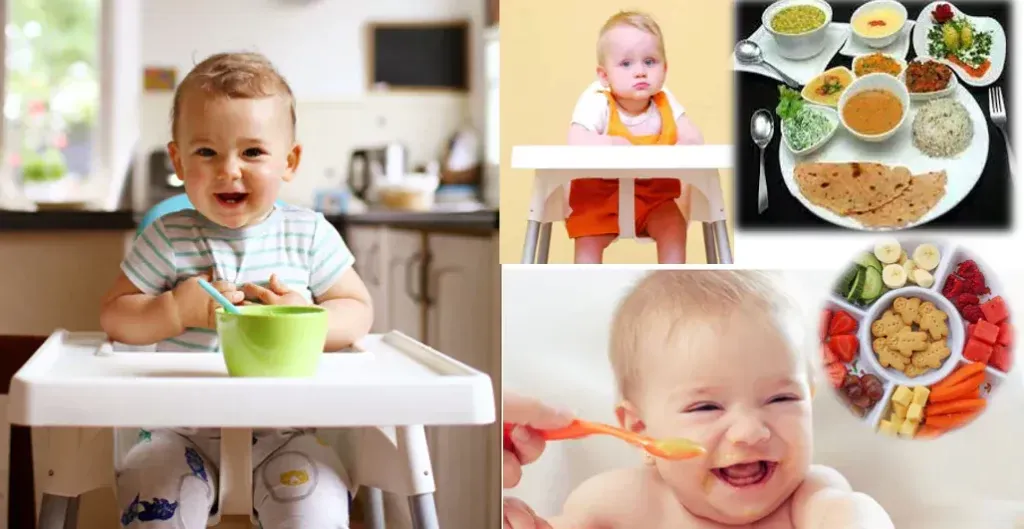
2 saal ka baccha ghar ka khana kha sakta hai - alag se baby food ki zarurat nahi! Toddlers ko din mein 3 meals aur 2-3 healthy snacks chahiye. Picky eating is umar mein bahut common hai - tension mat lo! Force feeding se bachein, variety offer karte raho, aur patience rakho. Family ke saath khilao - dekhte dekhte khana shuru kar dega. Ye guide aapko batayegi exactly kya aur kitna khilana chahiye.
Understanding Your 2-Year-Old’s Eating
What’s Normal at This Age
Eating Patterns:
- Appetite varies day to day (very common at this age)
- May eat a lot one day, very little the next
- Picky eating peaks around 2 years
- Food preferences change frequently
- May want the same food repeatedly (food jags)
- Growing independence - wants to self-feed Reassurance: Your toddler won’t starve. They’re excellent at regulating their own food intake. Your job is to offer healthy options - their job is to decide how much to eat.
Daily Nutritional Needs
| Nutrient | Amount Needed | Indian Food Sources |
|---|---|---|
| Calories | ~1000-1200/day | Balanced meals |
| Protein | 13-15g | Dal, paneer, eggs, milk |
| Calcium | 500mg | Milk, curd, paneer, ragi |
| Iron | 7mg | Green vegetables, ragi, eggs |
| Vitamin D | Sunlight + diet | Morning sun, fortified foods |
| Fiber | From whole foods | Fruits, vegetables, whole grains |
Step-by-Step Feeding Guide
Step 1: Set Up a Meal Schedule
Ideal Schedule:
| Time | Meal Type |
|---|---|
| 7:30-8:00 AM | Breakfast |
| 10:00-10:30 AM | Mid-morning snack |
| 12:30-1:00 PM | Lunch |
| 3:30-4:00 PM | Evening snack |
| 7:00-7:30 PM | Dinner |
| Bedtime | Milk (if not in dinner) |
Why Schedule Matters:
- Predictability helps toddlers
- Prevents constant grazing
- Ensures actual hunger at meals
- Creates healthy eating habits
Step 2: Offer Balanced Meals
Each Main Meal Should Include:
- Grain/carbohydrate (roti, rice, daliya)
- Protein (dal, paneer, egg, curd)
- Vegetable or fruit
- Healthy fat (ghee, oil) Sample Day Menu:
Breakfast Options:
-
Paratha + curd + banana
-
Upma + milk + fruit
-
Idli with sambar + fruit
-
Daliya with vegetables + milk
-
Besan chilla + curd Lunch:
-
Rice + dal + sabzi + ghee + curd
-
Roti + paneer curry + vegetable + dahi
-
Khichdi with vegetables + papad Dinner:
-
Roti + egg curry + sabzi
-
Rice + dal + palak
-
Vegetable pulao + raita
Step 3: Prepare Healthy Snacks
Indian Snack Ideas:
-
Fresh fruit (cut into safe sizes)
-
Idli fingers with chutney
-
Roasted makhana
-
Cheese cubes or paneer
-
Homemade vegetable cutlet
-
Dhokla
-
Banana pancakes
-
Fruit with curd
-
Sprouted moong
-
Ragi cookies (homemade)
-
Peanut butter on roti
-
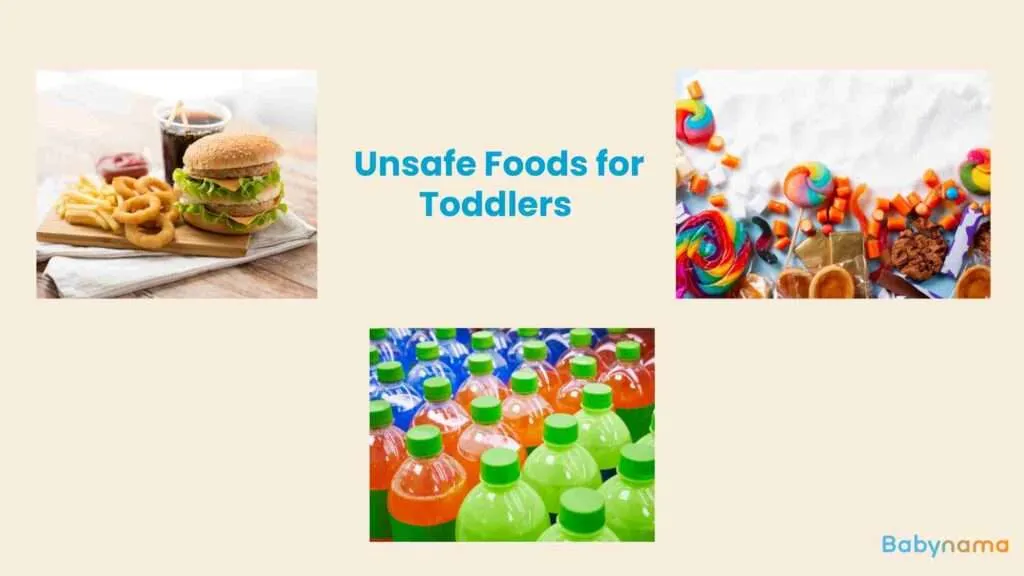
Boiled egg Snacks to Avoid:
-
Chips and packaged namkeen
-
Biscuits with cream
-
Sugary drinks
-
Candy and mithai (as regular snack)
-
Choco pies and similar items
Step 4: Handle Picky Eating
Why 2-Year-Olds Are Picky:
- Asserting independence
- Neophobia (fear of new foods) is developmental
- Taste preferences developing
- Small stomachs, big world to explore What Works:
| Strategy | Why It Helps |
|---|---|
| Keep offering rejected foods | Takes 10-15 tries to accept |
| Don’t make separate meals | Learn to eat family food |
| Eat together | Children learn by watching |
| Small portions | Less overwhelming |
| Let them self-feed | Builds interest and skills |
| Involve in cooking | Creates interest in food |
| Make it fun | Shapes, colors, dips |
What Doesn’t Work:
- Force feeding
- Bribing with dessert
- Making battles out of meals
- Offering only “safe” foods
- Getting upset at rejection
Step 5: Encourage Self-Feeding
By 2 years, toddlers can:
-
Use a spoon (with some mess!)
-
Drink from a cup
-
Pick up finger foods
-
Feed themselves most meals How to Help:
-
Provide appropriate utensils
-
Cut food into bite-sized pieces
-
Allow mess (it’s part of learning!)
-
Supervise for safety
-
Praise their efforts
-
Let meals take their time
Foods to Include Daily
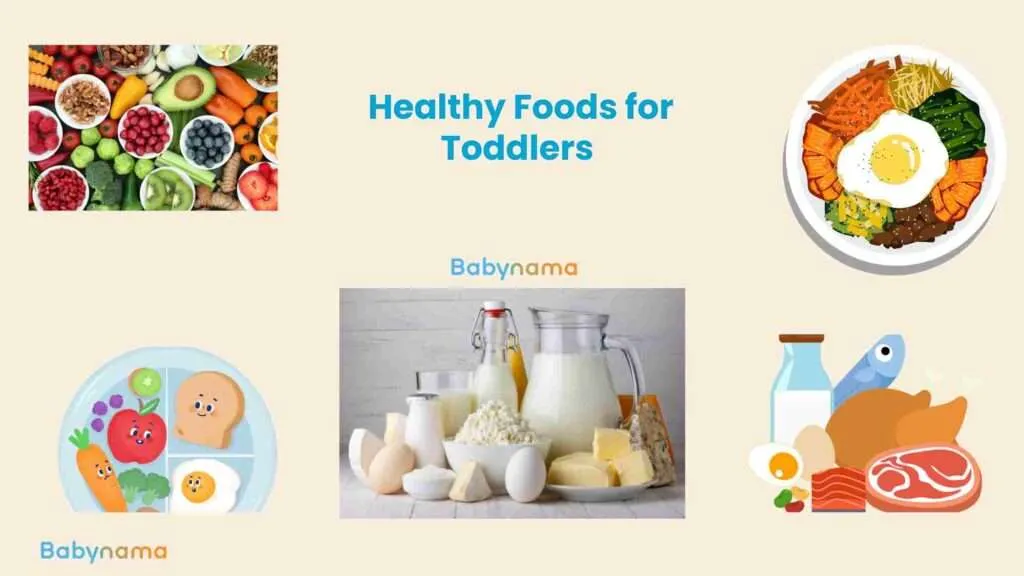
Must-Haves
1. Milk/Dairy (2 cups equivalent)
-
Milk: 1-2 cups
-
OR Curd: 1 cup
-
OR Paneer: 50g
-
Limit to 500ml total dairy - more can reduce appetite for food 2. Protein (2-3 servings)
-
Dal at least once daily
-
Eggs, paneer, or soybean
-
Nuts (crushed/powdered for safety) 3. Fruits & Vegetables (4-5 servings)
-
Seasonal fruits: 1-2 servings
-
Vegetables with each main meal
-
Various colors = various nutrients 4. Whole Grains
-
Roti, rice, daliya
-
At each meal 5. Healthy Fats
-
1-2 teaspoons ghee daily
-
Nuts and seeds (powdered)
-
Cooking oil (coconut, mustard, etc.)
Foods to Limit or Avoid
Choking Hazards (Avoid or Modify)
- Whole grapes (cut into quarters)
- Whole nuts (give powdered)
- Popcorn (avoid)
- Hard candy (avoid)
- Hot dogs/sausages (cut lengthwise)
- Large chunks of meat
- Raw carrots (cook or grate)
Unhealthy Foods to Limit
- Sugary cereals
- Packaged juices
- Chips and fried snacks
- Chocolate and candy
- Sugary biscuits
- Processed meats
Tips for Success
- Eat together as a family when possible
- Model healthy eating - kids copy you
- No screens during meals - focus on food
- Consistent mealtimes create routine
- Offer water between meals, milk with meals
- Don’t use food as reward or punishment
- Stay calm about eating - it’s not a battle
- Respect fullness cues - don’t force finishing
Common Mistakes to Avoid
- Giving too much milk - reduces appetite (limit to 500ml)
- Force feeding - creates negative association
- Offering juice instead of whole fruit
- Making separate “kid meals” - they should eat family food
- Giving snacks too close to meals - ruins appetite
- Comparing with other children - every child is different
- Stressing about every meal - look at weekly, not daily intake
When to Seek Help
Consult Your Pediatrician If:
- Child is losing weight
- Not gaining weight over several months
- Accepts fewer than 10-15 foods total
- Has difficulty chewing or swallowing
- Gags or vomits frequently with food
- Shows signs of nutritional deficiency
- You’re very worried about eating
Frequently Asked Questions
Q: Mera baccha sirf doodh peeta hai, khana nahi khata!
A: Very common at 2! Reduce milk to 400-500ml daily. Give milk AFTER meals, not before or as snacks. Don’t give milk when child is hungry - offer food first. When less milk fills the tummy, appetite for food increases.
Q: Har baar ek hi cheez khata hai (food jag)!
A: Food jags are normal at this age. Continue to offer the preferred food alongside other options. Don’t make a big deal about it. Most children move on naturally. As long as they’re eating something and growing well, it’s usually fine.
Q: Baccha khana fek deta hai - kya karun?
A: Food throwing is developmentally normal (exploring!) but should be gently discouraged. Offer small portions, stay calm, say “food stays on the plate,” and if throwing continues, calmly end the meal. They’ll learn that throwing = meal ends.
Q: Non-veg nahi khate - protein enough milega?
A: Yes! Vegetarian children can get adequate protein from dal (at every meal), paneer, curd, eggs (if you give them), soybean, and nuts. A well-balanced vegetarian Indian diet provides complete nutrition.
Q: Kitna khana enough hai 2 saal ke bacche ke liye?
A: A 2-year-old’s stomach is only about the size of their fist! Serve small portions - it’s less overwhelming and they can ask for more. Typically: 1-2 tablespoons of each food item per serving. Look at weekly nutrition, not every single meal.
This article was reviewed by Babynama Pediatricians. Toddler eating is challenging but temporary. Focus on offering variety - they’ll figure out the eating part!
Need personalized guidance? Book a consultation with our pediatricians or explore our Care Plans for 24/7 expert support!
Disclaimer: This article is for general information for Indian parents and is not a substitute for in-person medical advice. Feeding patterns, weight gain, and nutritional needs vary from child to child. Always consult your own pediatrician about your child’s diet, especially if you have concerns about growth, allergies, or feeding difficulties. In an emergency (choking, severe allergic reaction, difficulty breathing), call 112 (national emergency) or 108 (ambulance), or go to your nearest hospital.
Related Tools
Continue with this topic