Quick Answer
Babies under 6 months should NOT drink water - breastmilk or formula doodh provides all the hydration they need. After 6 months, you can introduce 2-4 sips of water with meals. From 1 year onwards, toddlers need about 4 cups (1 liter) of total fluids daily, gradually increasing with age. In India’s hot climate, children may need extra fluids during summer (garmi ke din) and after physical activity.
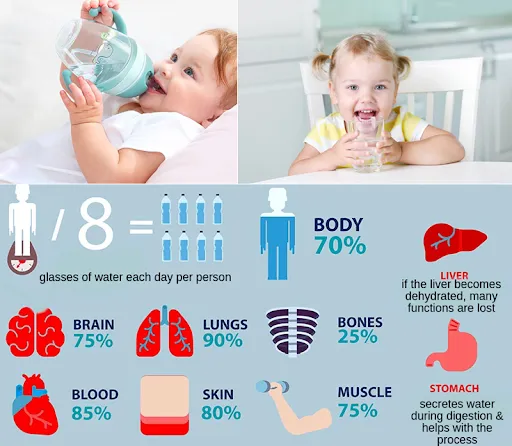
Why Water Matters for Your Child
Water is essential for your child’s body to function properly. It helps with:
- Digestion - Moves food through the stomach and intestines
- Preventing constipation (kabz) - Keeps stools soft
- Temperature regulation - Sweating keeps the body cool
- Kidney function - Flushes out waste products
- Brain function - Even mild dehydration affects concentration Important fact: Many Indian children are mildly dehydrated without showing obvious symptoms. This can affect their energy, mood, and even school performance.
Complete Water Guide by Age
Babies Under 6 Months
NO water needed!
- Breastmilk is 88% water - it provides complete hydration
- Formula doodh (NAN Pro, Lactogen, Similac) also provides adequate fluids when prepared correctly
- Giving water can:
- Fill baby’s small stomach, reducing milk intake
- Cause dangerous electrolyte imbalance (water intoxication)
- Reduce breast milk supply if replacing feeds Exception: Only give water if specifically advised by your pediatrician for medical reasons.
6-12 Months
Introduce water slowly
| Age | Water Amount | When to Give |
|---|---|---|
| 6-8 months | 2-4 tablespoons (30-60 ml) | With solid foods |
| 8-12 months | 60-120 ml (1/4-1/2 cup) | Between meals and with food |
Tips for this age:
- Use a sippy cup (sipper) or open cup with help
- Offer water during and after solid food meals
- Breastmilk or formula remains the PRIMARY fluid source
- Don’t worry if baby takes very little - it’s normal
1-3 Years (Toddlers)
4 cups total fluids daily
Total daily fluid requirement: ~1 liter (4 cups)
This includes: Water + milk + fluids from food
Breakdown:
- Water: 2-3 cups (480-720 ml)
- Milk: 2 cups (400-480 ml)
- Food with high water content makes up the rest
4-8 Years
5 cups of water daily
- Water intake: ~1.2 liters (5 cups)
- Plus milk and other healthy fluids
- Active children and during garmi (summer) may need more
9-13 Years
7-8 cups of water daily
- Boys: ~2.4 liters total fluids
- Girls: ~2.1 liters total fluids
- Increase during sports and physical activity
Signs of Dehydration (Paani Ki Kami)
In Babies Under 1 Year
Watch for these warning signs:
- Fewer wet diapers - Less than 6 in 24 hours
- No tears when crying - Dry crying
- Sunken fontanelle - The soft spot on baby’s head appears dipped in
- Excessive sleepiness - Baby hard to wake
- Dry lips and mouth
- Dark yellow urine - Should be pale/light yellow
In Older Children
- Thirst - By the time they feel thirsty, mild dehydration has started
- Dark, strong-smelling urine
- Dry, cracked lips
- Headache (sir mein dard)
- Tiredness and irritability
- Dizziness
- Muscle cramps (during exercise)
- Less frequent urination Important: Children often don’t recognize thirst signals. Don’t wait for them to ask - offer water regularly!
How to Get Your Child to Drink More Water
For Babies (6-12 months)
- Use colorful sippy cups
- Offer water at room temperature (not cold)
- Let them see you drinking water
- Offer after every solid food meal
For Toddlers and Older Children
Make it fun:
-
Use fancy water bottles with favorite characters (Chhota Bheem, Paw Patrol)
-
Add fruit slices for natural flavor (orange, nimbu, cucumber)
-
Make ice cubes in fun shapes
-
Create a “drinking chart” with stars for each cup Make it accessible:
-
Keep a water bottle at child’s level
-
Pack water bottle in school bag daily
-
Set reminders on your phone to offer water Make it tasty (healthy options):
-
Nimbu paani (lemonade) - without excess sugar
-
Coconut water (nariyal paani) - natural electrolytes
-
Buttermilk (chaas) - cooling in summer
-
Jaljeera - for older children, occasional treat
-
Fruit-infused water (orange, strawberry, cucumber)
Water-Rich Foods to Include
| Food | Water Content | Indian Options |
|---|---|---|
| Watermelon (tarbooz) | 92% | Summer favorite |
| Cucumber (kheera) | 95% | In salads, raita |
| Orange (santra) | 87% | Fresh or juiced |
| Tomato | 94% | In sabzi, salads |
| Curd/Yogurt | 85% | Dahi, lassi |
| Lauki (bottle gourd) | 92% | Sabzi, juice |
Drinks to Limit or Avoid
For Babies Under 1 Year
- Fruit juice - No juice recommended under 1 year
- Sugar water/glucose water - Not needed, can cause diarrhea
- Gripe water with alcohol - Should not be given
For Children Above 1 Year
Limit these:
-
Packaged fruit juices (Frooti, Real) - High in sugar, low in fiber
-
Flavored milk drinks (Bournvita, Horlicks in excess)
-
Sports drinks (Gatorade) - Only needed for intense sports, not daily
-
Soft drinks/soda (Coca-Cola, Pepsi) - Empty calories, harmful to teeth Avoid completely:
-
Tea/coffee - Caffeine is not suitable for children
-
Energy drinks (Red Bull) - Dangerous for children
-
Diet sodas - Artificial sweeteners not recommended
Is Bottled Water Necessary?
For formula preparation:
-
Use boiled and cooled tap water or filtered water
-
RO water is safe but may lack minerals
-
Bottled water is fine but not necessary Important concerns:
-
Plastic bottles left in sun can leach chemicals
-
Choose BPA-free bottles for children
-
Refillable steel bottles are best for daily use In India: Aquaguard/RO filtered water or boiled water is perfectly safe for children. You don’t need expensive bottled water.
Special Situations: When to Give Extra Fluids
During Illness
- Fever (bukhar) - Increase fluids by 50%
- Diarrhea (loose motions) - ORS solution + extra water
- Vomiting - Small sips frequently
In Hot Weather
- Increase water intake by 30-50%
- Offer water every 20-30 minutes during outdoor play
- Watch for excessive sweating
During Physical Activity
- Give water before, during, and after play/sports
- For intense activity >1 hour, coconut water can help replace electrolytes
Tips for Success
- Lead by example - Drink water in front of your child
- Make it routine - Offer water at fixed times (morning, after school, before bed)
- Don’t force - Pressuring can create negative associations
- Monitor urine color - Pale yellow means well-hydrated
- Start early - Children who drink water from 6 months usually prefer it
When to Seek Help
Contact your pediatrician immediately if your child shows:
- No wet diaper for 6+ hours (babies)
- No urination for 8+ hours (older children)
- Sunken eyes or fontanelle
- Very dry mouth with no saliva
- Unusual drowsiness
- Rapid breathing or heartbeat
- Signs of dehydration with fever, vomiting, or diarrhea
Note on emergencies: If your child is severely dehydrated — unresponsive, breathing very fast, no urine for many hours, or unable to keep any fluids down — 🚨 call 112 (national emergency) or 108 (ambulance), or go to the nearest hospital right away.
FAQs
Q: My 4-month-old is on formula doodh. Should I give water in this garmi (heat)?
A: No, even in hot Indian summers, babies under 6 months don’t need extra water. Formula (NAN Pro, Lactogen, Similac) prepared correctly provides adequate hydration. In very hot weather, you may offer more frequent feeds instead. If baby seems thirsty between feeds, it’s okay to offer a small feed rather than water.
Q: Can I give my baby boiled water that’s cooled?
A: After 6 months, yes - boiled and cooled water is safe. For preparing formula at any age, always use freshly boiled water that’s cooled to around 70°C, then let the prepared formula cool to drinking temperature. Never give hot water directly.
Q: My toddler refuses plain water. What should I do?
A: Many toddlers prefer flavored drinks. Try:
- Adding a splash of fresh fruit juice to water
- Offering water-rich fruits (tarbooz, santra)
- Using fun cups and straws
- Making ice pops with diluted juice
- Offering coconut water or nimbu paani as alternatives
- Being patient - tastes change over time!
Q: How do I know if my baby is getting enough fluids from breastmilk?
A: Watch for these signs of good hydration:
- 6 or more wet diapers in 24 hours
- Urine is pale yellow, not dark
- Baby is active and alert
- Soft fontanelle (not sunken)
- Moist lips and mouth
- Good weight gain
Q: Is RO water safe for babies?
A: RO water is safe but removes minerals. For formula preparation, it’s fine as formula contains added minerals. For drinking water after 6 months, RO water is acceptable. Some pediatricians recommend adding a small amount of regular filtered water to balance minerals, but this isn’t strictly necessary if child is eating a balanced diet.
This article was reviewed by Babynama Pediatricians. Last updated: January 2025
General information for Indian parents, not a substitute for your pediatrician. In an emergency, call 112 or 108.
Need personalized guidance? Book a consultation with our pediatricians or explore our Care Plans for 24/7 expert support!
Related Tools
Continue with this topic