Quick Answer
Avocado puree is one of the easiest and most nutritious first foods for babies starting solids at 6 months. Simply scoop out ripe avocado, mash with a fork or blend, and thin with breastmilk or formula doodh (NAN, Lactogen, Similac) to reach the right consistency. No cooking needed! Avocado is naturally creamy, low in allergens, and packed with healthy fats that support your baby’s brain development.
Why Avocado is Perfect for Indian Babies
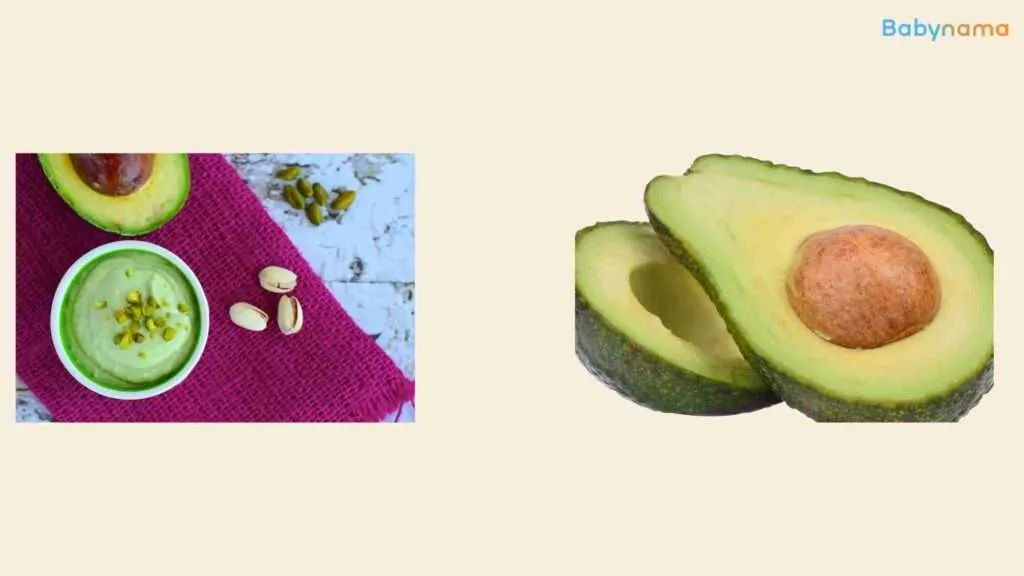
While avocado isn’t a traditional Indian fruit, it has become increasingly popular in Indian cities and is now available in most supermarkets (Nature’s Basket, BigBasket, local fruit vendors). Here’s why it’s an excellent choice for weaning (anna prashan):
Nutritional Benefits
| Nutrient | Benefit for Baby |
|---|---|
| Healthy fats (omega-3) | Brain development and growth |
| Fiber | Smooth digestion and prevents constipation |
| Vitamin C | Immune system support |
| Folic acid | Cell growth and development |
| Vitamin B6 | Brain function |
| Potassium | Heart and muscle health |
Avocados contain heart-healthy monounsaturated fats, especially oleic acid - the same good fat found in olive oil. This helps with brain development and keeps baby’s skin soft.
When Can Baby Start Avocado?
Age recommendation: 6 months and older
Avocado is considered a safe first food because:
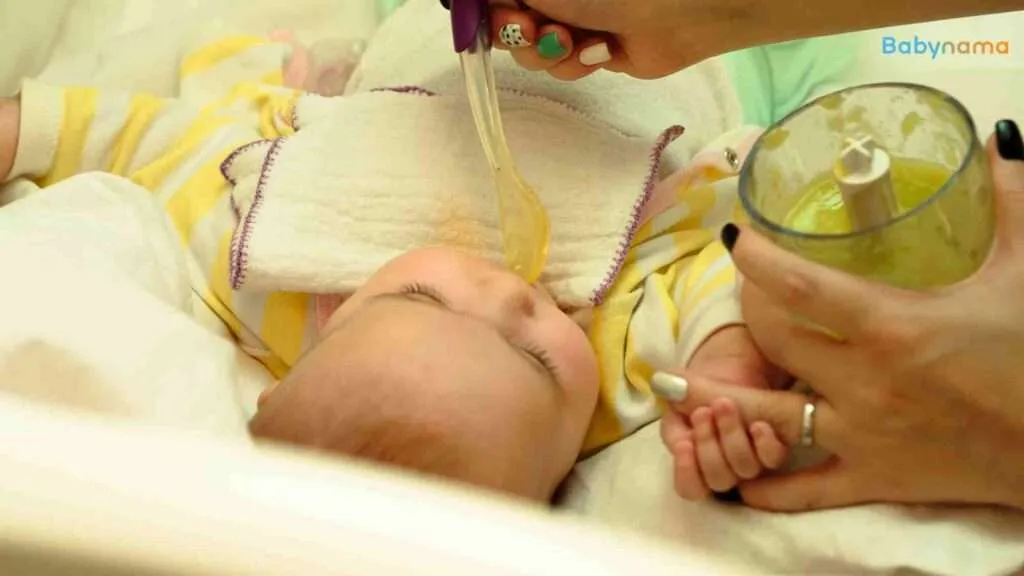
- It’s naturally soft and easy to swallow
- Low allergenic potential (rarely causes allergies)
- Easy to digest for developing tummies
- No cooking required - less chance of contamination Important: Always consult your pediatrician before introducing new foods, especially if your baby has any known allergies or health conditions.
Step-by-Step Avocado Puree Recipe
Ingredients
- 1 medium-sized ripe avocado
- 2-4 tablespoons breastmilk, formula doodh (NAN Pro, Lactogen, Similac), or water
How to Choose a Ripe Avocado
A perfect avocado for baby food should:
- Feel slightly soft when gently pressed (like pressing a ripe mango)
- Have dark green to black skin (for Hass variety)
- Not have any brown, mushy spots when cut open
- Tip: If avocados in the market are hard, keep them in a paper bag with a banana for 2-3 days to ripen
Method 1: Blender/Mixer Method (Smooth Puree)
Step 1: Prepare the avocado
-
Wash the outside of the avocado (even though you won’t eat the skin, this prevents bacteria transfer)
-
Cut lengthwise around the pit
-
Twist to separate the two halves
-
Remove the pit with a spoon Step 2: Scoop and blend
-
Scoop the flesh into your mixer/blender
-
Add 2 tablespoons of breastmilk or prepared formula
-
Blend until completely smooth Step 3: Adjust consistency
-
For younger babies (6-7 months): Add more liquid for a thin, smooth puree
-
For older babies (8-12 months): Keep it thicker and slightly chunky
-
Serve immediately in a clean katori (bowl)
Method 2: Fork-Mashed (Quick & Easy)
Perfect for when you’re out or don’t want to use appliances:
- Cut ripe avocado in half, remove pit
- Scoop flesh into a clean bowl
- Mash thoroughly with a fork until smooth
- Add breastmilk or formula to thin if needed
- Serve fresh! Pro tip: Mash directly in the avocado shell for minimal cleanup!
Quantity Guide by Age
| Age | Amount per Serving | Frequency |
|---|---|---|
| 6-7 months | 1-2 tablespoons | Once daily |
| 7-8 months | 2-3 tablespoons | 1-2 times daily |
| 9-12 months | 3-4 tablespoons | 1-2 times daily |
Remember: Start with small amounts and watch for any reactions. Wait 3 days before introducing another new food.
Tips for Success
Storage Tips
- Best served fresh - Avocado browns quickly once cut
- Same-day use: Cover with plastic wrap touching the surface and refrigerate for up to 24 hours
- Freezing: Freeze in ice cube trays for up to 1 month. Add a few drops of lemon juice to prevent browning
- Add lemon juice: A tiny squeeze helps maintain green color (safe for babies 6+ months in small amounts)
Mixing Ideas for Older Babies (7+ months)
Once your baby has tried avocado alone successfully, try these combinations:
- Avocado + Banana - Naturally sweet and creamy
- Avocado + Boiled apple - Good for digestion
- Avocado + Moong dal - Added protein
- Avocado + Ragi porridge - Iron boost
- Avocado + Sweet potato - Filling and nutritious
Formula Mixing Tips
If using formula doodh to thin the puree:
- Prepare formula fresh according to package instructions
- Use NAN Pro 1, Lactogen 1, or Similac for babies under 6 months transitioning
- Use stage-appropriate formula (NAN Pro 2, Lactogen 2 for 6+ months)
- Don’t heat the avocado after mixing with formula
Common Mistakes to Avoid
- Using unripe avocado - Will be hard and bitter, difficult to digest
- Overfeeding - Start small! Too much avocado can cause loose stools due to high fiber
- Storing too long - Brown avocado is safe but may taste bitter and baby might reject it
- Adding salt or sugar - Baby doesn’t need added seasonings until 1 year
- Ignoring freshness - Always use fresh puree; don’t keep at room temperature for more than 1 hour
Is Avocado a Choking Hazard?
Smooth pureed avocado carries a low choking risk when prepared correctly, but no food is entirely choking-proof. Always take these precautions:
- Always supervise baby during feeding
- Ensure puree is smooth with no large chunks for younger babies
- For baby-led weaning (8+ months), offer thin slices that baby can grip
- Never leave baby alone while eating
When to Seek Help
Contact your pediatrician if after eating avocado, baby shows:
- Rash, hives, or skin irritation
- Vomiting or excessive spitting up
- Diarrhea or bloody stools
- Swelling of lips, tongue, or face
- Difficulty breathing (seek emergency care immediately) Note: Avocado allergies are rare but possible, especially in babies with latex allergies. If your baby develops swelling of the lips, tongue, or face, or any difficulty breathing after eating, this can be a life-threatening allergic reaction: 🚨 Call 112 (national emergency) or 108 (ambulance) or go to the nearest hospital. If an adrenaline auto-injector has been prescribed, use it first.
FAQs
Q: Can I mix avocado with formula doodh like NAN or Lactogen?
A: Haan, bilkul! Mixing avocado with formula is a great way to add nutrition and achieve the perfect consistency. Prepare the formula as usual, then mix it into the mashed avocado. This works well with NAN Pro, Lactogen, Similac, or any formula your baby is already taking.
Q: My baby is 6 months and on breastmilk. Can I give avocado?
A: Yes! At 6 months, you can start introducing solid foods like avocado alongside breastmilk. Breastmilk or formula should remain the primary nutrition source until 1 year, with solids being complementary. Mix the avocado with expressed breastmilk for familiar taste.
Q: Avocado is expensive in India. What are good alternatives?
A: Great alternatives with similar nutrition include:
- Banana - Naturally sweet, easy to mash
- Boiled sweet potato (shakarkand) - Rich in vitamins
- Ripe papaya - Good for digestion
- Boiled and mashed lauki (bottle gourd) - Light and easy to digest
Q: Baby rejected avocado. What should I do?
A: This is normal! Babies often need 10-15 exposures to a new food before accepting it. Try:
- Mixing with a food baby already likes (banana, cereal)
- Offering at different times of day
- Making it creamier with more breastmilk/formula
- Trying again after a few days
Q: Can avocado cause constipation or loose motion?
A: Avocado is high in fiber, so it usually helps with regular bowel movements. However, too much can cause loose stools. Start with small amounts (1-2 tablespoons) and increase gradually. If baby gets constipated, the avocado might be underripe - use only fully ripe ones.
This article was reviewed by Babynama Pediatricians. Last updated: January 2025
Need personalized guidance? Book a consultation with our pediatricians or explore our Care Plans for 24/7 expert support!
Related Tools
General information for Indian parents, not a substitute for your pediatrician. In an emergency, call 112 or 108.
Continue with this topic