Quick Answer
Yes, water intoxication (pani se nuksaan) is a real danger for babies under 6 months - giving them water can dilute their blood sodium levels, leading to seizures and brain damage. The good news: it is highly preventable by following one simple rule - NO WATER before 6 months. Nothing oral before 6 months except breast milk or formula (NAN, Lactogen, Similac, Aptamil), which provides all the hydration your baby needs, even in hot Indian summers.
What is Water Intoxication?
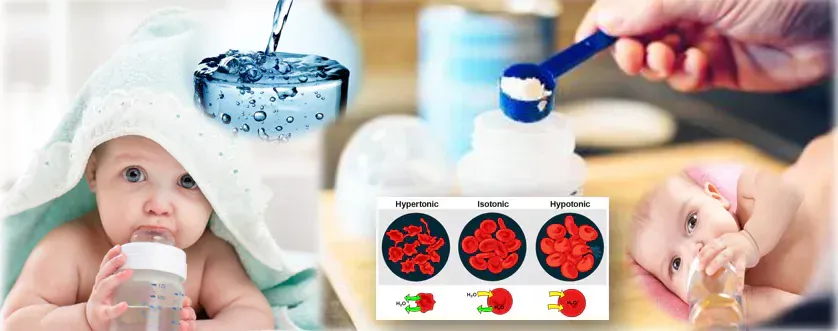
Water intoxication (also called water poisoning or hyponatremia) occurs when:
- Too much water is consumed
- Blood sodium levels drop dangerously low
- Body cells swell with excess water
- Brain swelling can occur in severe cases
Why Babies Are at High Risk
| Factor | Why It’s Dangerous |
|---|---|
| Small body size | Even small amounts of water are proportionally large |
| Immature kidneys | Cannot process excess water efficiently |
| Developing brain | Very sensitive to sodium imbalances |
| Small stomach | Water fills stomach, reducing milk intake |
Causes of Water Intoxication in Babies
1. Giving Water Before 6 Months
The #1 cause: Well-meaning parents or family members giving water to babies who don’t need it.
Common scenarios in Indian homes:
- “Garam din hai, thoda paani de do” (It’s hot, give some water)
- Giving water during religious ceremonies
- Offering water when baby seems fussy
- Gripe water or other water-based remedies
2. Incorrect Formula Preparation
| Mistake | Danger |
|---|---|
| Adding extra water to formula | Dilutes nutrition AND sodium |
| Using more water than instructed | Baby gets water intoxication |
| Stretching formula to save money | Seriously harmful |
Critical: Always follow EXACT water-to-powder ratio on formula tin (NAN, Lactogen, Similac, Aptamil).
3. Excessive Water After 6 Months
Even after 6 months, too much water can cause problems:
- Filling tummy with water instead of nutritious milk/food
- Rare cases of water intoxication if excessive
4. Swimming Accidents
Babies can swallow water during swimming lessons or water play.
Symptoms of Water Intoxication
Early Warning Signs:
- Unusually clear, very frequent urination
- Irritability or unusual fussiness
- Drowsiness or lethargy
- Poor feeding or refusing milk
- Slight swelling of face
Serious Symptoms (Emergency!):
- Low body temperature (below 36°C/96.8°F)
- Seizures/convulsions
- Vomiting
- Swelling of face, hands, feet
- Uneven or labored breathing
- Baby becomes limp or unresponsive
- Bulging fontanelle (soft spot)
🚨 If you see serious symptoms (seizures, limp/unresponsive baby, difficulty breathing), this is a medical emergency. Call 112 (national emergency) or 108 (ambulance), or go to the nearest hospital IMMEDIATELY.
Prevention: How to Keep Your Baby Safe
Step 1: No Water Before 6 Months
Rule: Babies under 6 months need ONLY breastmilk or formula.
Even in summer:
- Breastmilk is 88% water - perfectly hydrating
- Formula provides adequate hydration when prepared correctly
- No additional water, juice, or fluids needed
Step 2: Prepare Formula Correctly
For every formula (NAN, Lactogen, Similac, Aptamil, Enfamil):
-
Read instructions on tin carefully
-
Use ONLY the scoop provided with that formula
-
Level scoops - don’t pack or heap
-
Use exact amount of water specified
-
Never add extra water to make formula “go further” Example for NAN Pro 1:
-
1 level scoop (4.4g) to 30ml water
-
Follow tin instructions exactly
Step 3: Safe Water Introduction After 6 Months
| Age | Safe Water Amount |
|---|---|
| 6-8 months | 60-120ml (2-4 oz) daily with meals |
| 8-12 months | 120-180ml (4-6 oz) daily |
| 12+ months | Increase gradually as needed |
Step 4: Monitor During Water Play
- Supervise baby closely during bath
- Be careful in swimming pools
- Babies can swallow water without you noticing
How to Handle Family Pressure
Common scenario: Relatives insisting baby needs water in summer.
How to respond:
- “Doctor ne mana kiya hai” (Doctor has forbidden it)
- “Maa ka doodh mein 88% paani hai” (Breastmilk is 88% water)
- “Formula mein bahut paani hai” (Formula has plenty of water)
- Show them this article or your pediatrician’s advice
What to Do If Baby Has Had Water
If baby is under 6 months and drank water:
Small amount (few sips):
-
Usually not dangerous
-
Monitor for symptoms
-
Offer breastmilk/formula as usual
-
Watch for unusual behavior Large amount or showing symptoms:
-
Go to pediatrician or hospital immediately
-
Note how much water was given and when
-
Watch for warning signs
Treatment for Water Intoxication
Mild cases:
-
Stop water intake
-
Resume normal breastmilk/formula feeding
-
Doctor may monitor electrolyte levels Severe cases (hospital treatment):
-
IV fluids with sodium
-
Diuretics to help remove excess water
-
Close monitoring
-
Treatment of seizures if present
Tips for Success
- Educate family members - Especially grandparents and caregivers
- No water bottles for babies - Remove temptation
- Offer extra breastfeeds in summer - Better than water
- Keep formula preparation consistent - Same ratio every time
- Trust the guidelines - Modern medicine knows best
Common Mistakes to Avoid
- Giving water in hot weather - Milk provides hydration
- Adding extra water to formula - Dangerous!
- Giving gripe water to newborns - Not necessary
- Ignoring family advice - Politely explain guidelines
- Assuming small amounts are safe - Even small amounts can affect tiny babies
When to Seek Emergency Help
Go to hospital immediately if baby has:
- Seizures or convulsions
- Extreme lethargy or limpness
- Very low body temperature
- Vomiting repeatedly
- Difficulty breathing
- Swelling of face or body
- Bulging soft spot
For any of these, call 112 (national emergency) or 108 (ambulance), or go to the nearest hospital right away.
FAQs
Q: It’s 45°C outside. Can I give water to my 4-month-old?
A: No. Even in extreme heat, breastmilk or formula provides all hydration needed. Offer more frequent breastfeeds or formula feeds instead of water. Dress baby lightly and keep room cool. Water before 6 months can be dangerous regardless of temperature.
Q: My mother says she gave us water as babies and we’re fine. Why the new rules?
A: We now understand baby physiology better. Some babies did develop problems from early water but it wasn’t recognized. Modern guidelines protect all babies, especially vulnerable ones. The risk isn’t worth taking when breastmilk/formula provides complete nutrition and hydration.
Q: I accidentally gave my 3-month-old a few sips of water. Should I worry?
A: A few sips occasionally are unlikely to cause serious harm. Monitor baby for any unusual symptoms (lethargy, swelling, poor feeding). Continue normal breastmilk/formula feeds. If baby seems unwell or you’re concerned, consult your pediatrician.
Q: Can I give diluted juice instead of water?
A: No juice (diluted or not) before 12 months. Juice has similar risks as water plus added sugar concerns. Stick to breastmilk or formula until 6 months, then introduce small amounts of plain water with solids.
Q: My formula-fed baby seems constipated. Should I give water?
A: No water before 6 months even for constipation. Instead: ensure correct formula preparation (not too concentrated), try bicycle leg exercises, gentle tummy massage. If constipation persists, consult your pediatrician - they may adjust formula or recommend other solutions.
Q: How do I know if formula is correctly prepared?
A: Follow tin instructions exactly. For most formulas: use the scoop provided, level off powder (don’t pack), use exact water amount specified. Example: 1 scoop of NAN Pro 1 = 30ml water. If unsure, ask your pediatrician to demonstrate.
This article was reviewed by Babynama Pediatricians. Last updated: January 2025
Need personalized guidance? Book a consultation with our pediatricians or explore our Care Plans for 24/7 expert support!
Disclaimer: This article is for general information for parents in India and is not a substitute for professional medical advice. Guidance follows IAP (Indian Academy of Pediatrics) recommendations. Always consult your pediatrician for your child’s specific needs. In an emergency, call 112 (national emergency) or 108 (ambulance), or go to your nearest hospital.
Continue with this topic