Last updated: January 2026
Quick Answer
Pehle 1000 din - pregnancy se lekar baby ke 2nd birthday tak - ye life ka sabse important nutrition window hai! Is golden period mein jo poshan milta hai, wo lifetime ke liye bacche ki health, dimag (brain development), aur immunity decide karta hai. Good news: Indian ghar ka khana - dal, roti, sabzi, maa ka doodh - ye sab perfect hai. Aapko expensive supplements ya imported foods ki zarurat nahi!
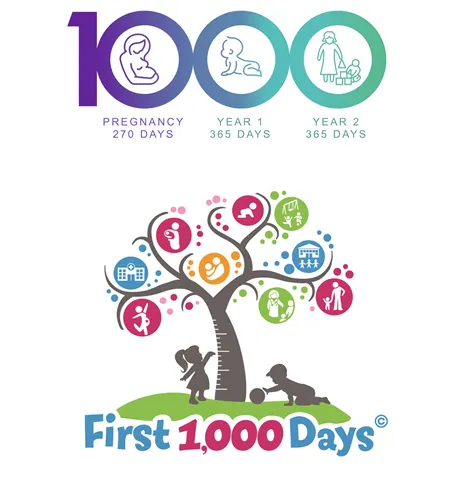
What Are the First 1000 Days?
The Timeline
| Period | Duration | Why It Matters |
|---|---|---|
| Pregnancy | ~270 days | Baby’s organs, brain, immune system developing |
| 0-6 months | 180 days | Exclusive breastfeeding, rapid brain growth |
| 6-24 months | ~550 days | Complementary feeding, continued development |
| Total | ~1000 days | Foundation for lifelong health |
Why This Period is So Important
During these 1000 days:
- Brain develops 80% of adult size
- Immune system is established
- Taste preferences form
- Growth patterns set
- Lifelong health foundations laid Good nutrition during this window = better outcomes for life
Poor nutrition during this window = harder to correct later
Step-by-Step Nutrition Guide
Phase 1: Pregnancy (Garbhavastha Ki Poshan)
Your nutrition directly affects your baby’s development!
Essential Nutrients:
| Nutrient | Why Needed | Indian Food Sources |
|---|---|---|
| Folic acid | Brain and spine development | Green leafy vegetables, dal, sprouts |
| Iron | Prevents anemia, supports growth | Dates, jaggery, pomegranate, green vegetables |
| Calcium | Baby’s bones and teeth | Milk, curd, paneer, ragi, sesame seeds |
| Protein | Baby’s growth | Dal, paneer, eggs, nuts, soybean |
| DHA/Omega-3 | Brain development | Fish, walnuts, flaxseeds |
| Iodine | Brain development | Iodized salt, dairy |
Daily Food Guide During Pregnancy:
-
3-4 servings of dal/pulses
-
3-4 glasses of milk/dairy
-
2-3 portions of vegetables
-
2-3 fruits
-
Whole grains (roti, rice)
-
Nuts and dry fruits
-
Eggs or fish (if non-vegetarian) Sample Day:
-
Morning: Milk + almonds + dates
-
Breakfast: Stuffed paratha with curd
-
Mid-morning: Seasonal fruit
-
Lunch: Rice + dal + sabzi + salad
-
Evening: Buttermilk + roasted chana
-
Dinner: Roti + paneer/egg + vegetable
-
Bedtime: Milk
Phase 2: First 6 Months (Exclusive Breastfeeding)
Maa ka doodh is the perfect food for your baby!
Why Exclusive Breastfeeding:
-
Contains all nutrients baby needs
-
Protects against infections
-
Supports brain development
-
Strengthens immune system
-
Promotes bonding
-
Free and always available! What Exclusive Means:
-
Only breast milk - no water, no glucose, no formula
-
Feed on demand (8-12 times/day in early weeks)
-
For full 6 months Mother’s Nutrition During Breastfeeding:
-
Extra 400-500 calories daily needed
-
Plenty of fluids (3-4 liters)
-
Continue balanced diet
-
Traditional lactogenic foods (methi, saunf, gond laddoo, ajwain) — widely used but evidence for boosting milk supply is limited; discuss with your pediatrician. Adequate fluids, frequent feeding, and good latch matter most.
-
Avoid: Excessive caffeine, alcohol
Phase 3: 6-12 Months (Starting Solids)
Time to introduce ghar ka khana alongside breastfeeding!
When to Start:
- Around 6 months (not before)
- Baby shows readiness signs
- Continue breastfeeding alongside How to Introduce Solids:
| Age | Texture | Frequency | What to Give |
|---|---|---|---|
| 6-7 months | Smooth puree | 2-3 times/day | Single foods: banana, rice, dal |
| 7-8 months | Mashed | 3 times/day | Combinations: khichdi, fruit + curd |
| 9-12 months | Soft lumps | 3 meals + snacks | Family foods, mashed |
First Indian Foods:
-
Dal water, then mashed dal
-
Rice porridge (chawal ka pani)
-
Banana, papaya, chiku (mashed)
-
Ragi porridge
-
Moong dal khichdi
-
Suji porridge Key Nutrients to Focus On:
-
Iron (ragi, green vegetables, egg yolk)
-
Protein (dal, eggs, paneer)
-
Healthy fats (ghee, coconut)
-
Vitamins (fruits and vegetables)
Phase 4: 12-24 Months (Family Foods)
Baby can now eat most family foods (modified)!
Daily Requirements:
-
3 main meals
-
2 nutritious snacks
-
Continued breastfeeding (recommended until 2 years)
-
About 1000 calories daily Food Groups to Include Daily:
-
Grains/cereals: Roti, rice, daliya
-
Proteins: Dal, eggs, paneer, chicken
-
Dairy: Milk, curd, paneer
-
Vegetables: All types, especially green leafy
-
Fruits: 1-2 servings
-
Healthy fats: Ghee, oil Sample Day for 1-2 Year Old:
-
Breakfast: Paratha with curd + banana
-
Mid-morning: Seasonal fruit
-
Lunch: Dal chawal with ghee + sabzi
-
Evening: Ragi porridge or homemade snack
-
Dinner: Roti + paneer/egg curry + vegetable
-
Bedtime: Milk
Tips for Success
- Start early - Good nutrition begins at conception
- Breastfeed exclusively - First 6 months, no water needed
- Introduce variety - Different foods, textures, colors
- Make it interesting - Fun presentations help
- Be patient - Offer new foods 10-15 times before giving up
- Family meals - Eat together when possible
- Ghar ka khana is best - Homemade beats packaged
Common Mistakes to Avoid
- Starting solids before 6 months - Baby’s gut isn’t ready
- Stopping breastfeeding at 6 months - Continue alongside solids
- Relying on commercial baby foods - Homemade is more nutritious
- Adding salt/sugar to baby’s food - Not needed until 1 year
- Force feeding - Creates negative association with food
- Giving tea/juice - No nutritional benefit, fills tummy
- Ignoring iron-rich foods - Iron deficiency is common
Signs of Good Nutrition
During Pregnancy:
-
Adequate weight gain
-
Energy levels good
-
No severe anemia Baby 0-6 Months:
-
Weight gain as per chart
-
Alert and active
-
6+ wet diapers/day
-
Meeting milestones Baby 6-24 Months:
-
Steady growth on chart
-
Active and playful
-
Good appetite
-
Regular bowel movements
-
Meeting developmental milestones
When to Seek Help
Consult Doctor/Nutritionist If:
- Baby not gaining weight adequately
- Child refuses most foods consistently
- Growth falling off curve
- Signs of nutritional deficiency
- Frequent illness
- Developmental delays
Frequently Asked Questions
Q: 6 mahine se pehle solid shuru kar sakte hain kya?
A: Nahi! WHO recommends starting solids at 6 months, not before. Baby’s digestive system isn’t mature enough earlier. Before 6 months, breast milk alone provides everything your baby needs. Starting early can cause digestive problems and increase allergy risk.
Q: Kya 2 saal tak breastfeeding zaruri hai?
A: WHO recommends breastfeeding up to 2 years or beyond. However, what matters most is exclusive breastfeeding for 6 months, then continued breastfeeding alongside solids for as long as mutually desired. Even breastfeeding for 6-12 months provides significant benefits.
Q: Commercial baby food (Cerelac) dena chahiye?
A: Homemade food is always better! You control the ingredients, it’s fresher, and has no preservatives. Commercial foods are convenient but shouldn’t replace ghar ka khana. If using occasionally, choose plain varieties without added sugar.
Q: Baby green vegetables nahi khata - kya karun?
A: Keep offering! Children may need to see a food 10-15 times before accepting it. Try different preparations, mix with accepted foods, lead by example by eating vegetables yourself. Don’t force - it creates negative associations.
Q: Height aur weight ke liye kya khilana chahiye?
A: Focus on balanced nutrition rather than specific foods for height/weight. Include protein (dal, eggs, dairy), calcium (milk, ragi), iron (green vegetables, dates), and healthy fats (ghee, nuts). Genetics play the biggest role in height.
This article was reviewed by Babynama Pediatricians. The first 1000 days are your golden opportunity - make them count!
Need personalized guidance? Book a consultation with our pediatricians or explore our Care Plans for 24/7 expert support!
This article is for general information for Indian parents and follows IAP and WHO guidance. It is not a substitute for a consultation with your own pediatrician, who knows your child’s history. For any feeding concern, poor weight gain, or warning sign, see your doctor. In an emergency, call 112 (national emergency) or 108 (ambulance) or go to your nearest hospital.
Related Tools
Continue with this topic