Quick Answer: A well-planned plant-based diet can be healthy for children at all ages, but it requires careful attention to specific nutrients: protein, iron, vitamin B12, calcium, vitamin D, zinc, and omega-3 fatty acids. Work with your pediatrician or a dietitian to ensure nutritional needs are met. Some nutrients (especially B12) require supplements on a vegan diet. A poorly planned plant-based diet can lead to deficiencies that affect growth and development.
Understanding Plant-Based Diets
“Plant-based” covers a spectrum of eating patterns. Where you fall determines your nutritional considerations.
Types of Plant-Based Diets
| Type | What’s Included | Nutritional Considerations |
|---|---|---|
| Flexitarian | Mostly plants, occasional meat | Minimal risk of deficiency |
| Pescatarian | Plants + fish | Good omega-3, B12 from fish |
| Vegetarian | Plants + dairy + eggs | B12, omega-3 need attention |
| Vegan | Only plant foods | Multiple nutrients need planning |
Critical Nutrients for Growing Children
Protein
Why it matters: Growth, muscle development, immune function
Plant Sources:
| Food | Protein Content |
|---|---|
| Tofu (1/2 cup) | 10g |
| Lentils (1/2 cup) | 9g |
| Chickpeas (1/2 cup) | 7g |
| Peanut butter (2 tbsp) | 8g |
| Quinoa (1 cup) | 8g |
| Soy milk (1 cup) | 7g |
Tips:
- Combine different plant proteins throughout the day
- Include protein at every meal
- Complete protein sources: soy, quinoa, hemp seeds
Iron
Why it matters: Oxygen transport, brain development, energy
Plant Sources:
| Food | Iron Content |
|---|---|
| Fortified cereals | High |
| Lentils | Good |
| Spinach | Good |
| Tofu | Good |
| Chickpeas | Moderate |
| Raisins | Moderate |
Tips:
- Plant iron (non-heme) is less absorbed than meat iron
- Pair iron foods with vitamin C (lemon, orange) for better absorption
- Avoid tea/coffee with iron-rich meals
Vitamin B12
Why it matters: Nerve function, red blood cells, brain development
Critical Warning: B12 is ONLY found naturally in animal foods. Vegan children MUST get B12 from:
-
Fortified foods (plant milks, cereals, nutritional yeast)
-
Supplements (essential for vegans) B12 Deficiency Signs:
-
Fatigue
-
Weakness
-
Developmental delays
-
Numbness/tingling
Calcium
Why it matters: Bone development, teeth, muscle function
Plant Sources:
| Food | Calcium Content |
|---|---|
| Fortified plant milk | Good (check label) |
| Tofu (calcium-set) | Good |
| Fortified orange juice | Good |
| Leafy greens (bok choy, kale) | Moderate |
| Almonds | Moderate |
| Sesame seeds | Moderate |
Tips:
- Choose calcium-fortified plant milk
- Some greens (spinach) have calcium but it’s poorly absorbed
Vitamin D
Why it matters: Calcium absorption, bone health, immunity
Sources:
- Sunlight (15-20 min daily)
- Fortified plant milks
- Fortified cereals
- Supplements (often needed in vegan diets)
Zinc
Why it matters: Growth, immune function, wound healing
Plant Sources:
| Food | Notes |
|---|---|
| Legumes | Good source |
| Nuts and seeds | Especially pumpkin seeds |
| Whole grains | Moderate |
| Fortified cereals | Good |
Tips:
- Soaking and sprouting increases zinc absorption
- Plant zinc is less well absorbed; aim for higher intake
Omega-3 Fatty Acids (DHA/EPA)
Why it matters: Brain development, eye health
Challenge: The best sources (fatty fish) aren’t available on plant-based diets.
Plant Options:
- Walnuts, flaxseeds, chia seeds provide ALA
- ALA converts poorly to DHA/EPA
- Consider algae-based DHA supplements
Age-Specific Considerations
Infants (0-12 months)
| Recommendation | Notes |
|---|---|
| Breastfeed if possible | Continue for 12+ months |
| B12 supplement | For breastfeeding vegan mothers |
| Fortified formula | If not breastfeeding - discuss with doctor |
| Iron-fortified cereals | Starting around 6 months |
Toddlers (1-3 years)
- Rapid growth = high nutrient needs
- May be picky eaters
- Include fortified foods daily
- Consider supplements (B12 essential, D often needed)
- Ensure adequate calories (healthy fats like avocado, nut butters)
School-Age (4-12 years)
- Growing independence in food choices
- Pack nutrient-dense lunches
- Teach about balanced plant-based eating
- Regular monitoring of growth
Teenagers
- Very high nutrient needs during puberty
- Girls need extra iron after menstruation begins
- Ensure adequate calories for growth spurts
- Social situations may challenge diet adherence
Sample Meal Ideas
Breakfast Options
| Meal | Key Nutrients |
|---|---|
| Fortified cereal + fortified soy milk | Calcium, B12, iron |
| Whole grain toast + nut butter + banana | Protein, zinc |
| Tofu scramble with vegetables | Protein, iron |
| Ragi (finger millet) porridge with banana | Calcium, iron, fiber |
| Suji (semolina) upma with vegetables | Protein, fiber |
Lunch Ideas
| Meal | Key Nutrients |
|---|---|
| Hummus wrap with vegetables | Protein, zinc |
| Dal-khichdi with vegetables | Protein, iron |
| Curd-rice with vegetables (or fortified soy yogurt for vegans) | Protein, calcium |
| Chana (chickpea) chaat with lemon | Protein, iron |
Dinner Ideas
| Meal | Key Nutrients |
|---|---|
| Tofu stir-fry with vegetables + brown rice | Protein, iron, zinc |
| Lentil soup with whole grain bread | Protein, iron |
| Rajma chawal (kidney bean curry with rice) | Complete protein, iron |
| Chana masala with roti | Protein, iron |
Snacks
- Nuts and dried fruit
- Hummus with vegetable sticks
- Fortified soy yogurt
- Nut butter with apple slices
- Trail mix with seeds
Supplements to Consider
For Vegan Children
| Supplement | Status |
|---|---|
| Vitamin B12 | Essential - no reliable plant source |
| Vitamin D | Usually needed, especially in low-sun areas |
| Omega-3 (DHA) | Strongly recommended (algae-based) |
| Iron | If diet inadequate or blood tests show deficiency |
| Zinc | May be needed; discuss with doctor |
For Vegetarian Children
| Supplement | Status |
|---|---|
| Vitamin B12 | Needed if limited dairy/eggs |
| Vitamin D | Often beneficial |
| Omega-3 (DHA) | Consider if no eggs |
Important: Always consult your pediatrician before starting supplements.
Monitoring Growth and Health
Regular Check-ups Should Include
- Height and weight tracking
- Growth chart review
- Blood tests when indicated:
- Hemoglobin/iron status
- Vitamin B12 levels
- Vitamin D levels
- Zinc (if symptoms suggest deficiency)
Signs of Nutritional Problems
| Sign | Possible Deficiency |
|---|---|
| Poor growth | Calories, protein, zinc |
| Fatigue | Iron, B12, calories |
| Frequent illness | Zinc, protein |
| Delayed development | B12, iron |
| Weak bones/fractures | Calcium, vitamin D |
Common Challenges and Solutions
“My child won’t eat beans or tofu”
- Try different preparations
- Hide in sauces, smoothies, baked goods
- Offer nut butters, hummus
- Patience - keep offering
“Family doesn’t support our diet choice”
- Provide education on proper planning
- Show healthy meals your child enjoys
- Have doctor confirm child is thriving
- Focus on health, not arguments
“It’s hard to find options when eating out”
- Research menus beforehand
- Call ahead for options
- Bring snacks as backup
- Teach child to ask about ingredients
“My child wants to eat like friends”
- Discuss family food values at appropriate age
- Allow occasional flexibility (if desired)
- Help child feel confident in their choices
- Connect with other plant-based families
When Plant-Based May Not Be Appropriate
Discuss with your doctor if your child has:
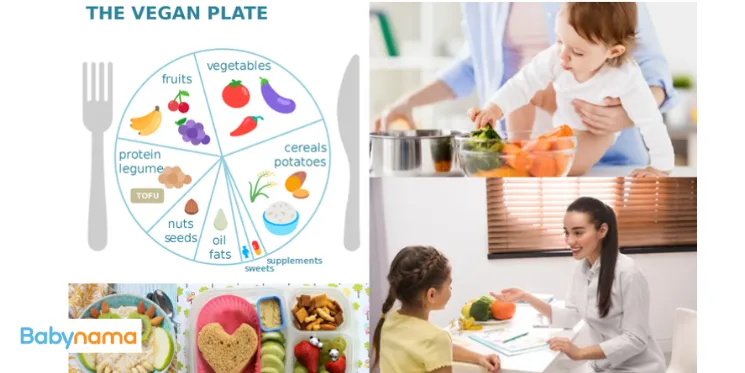
- Severe food allergies (especially to soy, nuts, gluten)
- Failure to thrive or poor growth
- Medical conditions affecting absorption
- Extremely limited food acceptance
- Disordered eating patterns
Frequently Asked Questions
Q: Can babies and toddlers be vegan?
A: With careful planning and appropriate supplements (especially B12), yes. Close monitoring by a pediatrician is essential. Many health organizations state well-planned vegan diets can support all life stages.
Q: Will my child get enough protein without meat?
A: Yes, if you include a variety of protein sources (legumes, tofu, nuts, seeds, whole grains). The idea of needing to “combine proteins” at each meal is outdated - eating variety throughout the day is sufficient.
Q: Is soy safe for children?
A: For most children, soy is a nutritious, well-tolerated food, and current evidence does not support the common worries about soy and hormones. Soy is a complete protein and a valuable part of plant-based diets. The main exception is children with a diagnosed soy allergy, who should avoid it — talk to your pediatrician if you have any concerns.
Q: Should I give my vegetarian/vegan child a multivitamin?
A: At minimum, B12 is essential for vegans. Whether additional supplements are needed depends on your child’s diet. Discuss with your pediatrician.
Q: My child is a picky eater - can they still be plant-based?
A: Picky eating makes any diet harder. Ensure the foods your child accepts are nutrient-dense and fortified. Work with a dietitian if the diet becomes too limited.
Key Takeaways
- Well-planned plant-based diets can be healthy for children at all ages
- B12 supplementation is essential for vegan children
- Pay attention to: protein, iron, calcium, vitamin D, zinc, omega-3s
- Use fortified foods - plant milks, cereals, nutritional yeast
- Monitor growth regularly with your pediatrician
- Work with professionals - dietitians can help plan meals
- Poorly planned = risky - proper planning is non-negotiable
This article was reviewed by Babynama Pediatricians. Last updated: January 2026
A note for Indian parents: This guidance follows the Indian Academy of Pediatrics (IAP) approach to child nutrition. Many Indian vegetarian meals — dal, khichdi, rajma-chawal, chana, curd-rice, ragi and suji preparations — are excellent plant-based options. Look for B12- and calcium-fortified products available in India, and use your child’s IAP growth chart with your pediatrician to track growth.
This article is for general information only and is not a substitute for professional medical advice. Nutrient needs vary by child. Always consult your own pediatrician before making major changes to your child’s diet or starting any supplement. For any medical emergency, call 112 (national emergency) or 108 (ambulance), or go to your nearest hospital.
Need personalized guidance? Book a consultation with our pediatricians or explore our Care Plans for 24/7 expert support!
Related Tools
Continue with this topic