
Quick Answer
Good nutrition is crucial for children undergoing cancer treatment - it supports immunity, strength, and recovery! If your child has been diagnosed with cancer, know that proper nutrition can help them tolerate treatment better, fight infections, and maintain energy. Working with your oncology team and a dietitian will help create the best eating plan for your child’s specific needs.
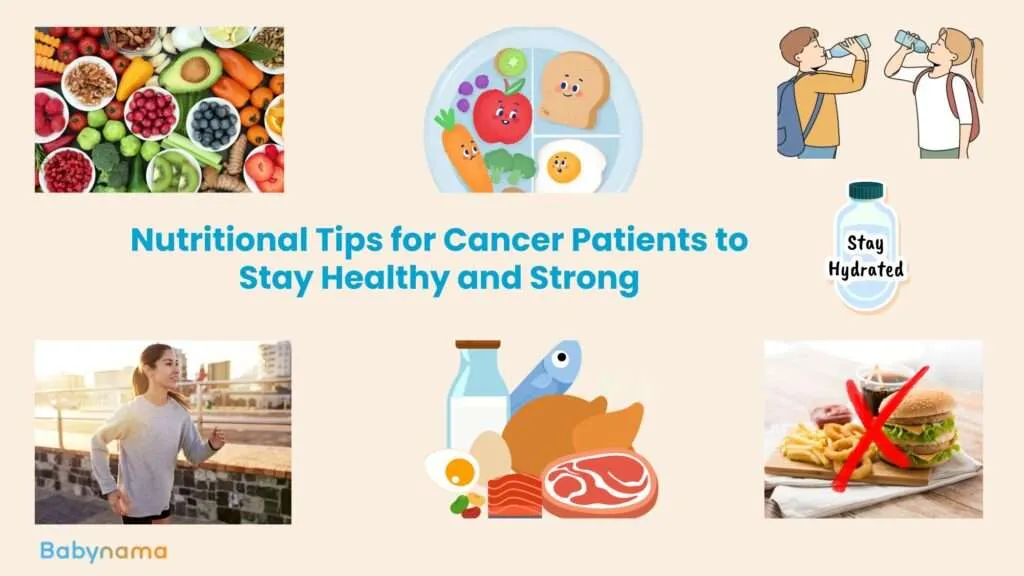
Why Nutrition Matters During Cancer Treatment
Benefits of Good Nutrition:
- Supports immune system to fight infections
- Maintains strength and energy
- Helps body tolerate treatment
- Repairs tissues damaged by therapy
- Maintains healthy weight
- Improves quality of life
- May improve treatment outcomes Challenges During Treatment:
| Side Effect | Impact on Eating |
|---|---|
| Nausea/vomiting | Reduces appetite |
| Mouth sores | Painful to eat |
| Taste changes | Food tastes different |
| Fatigue | Too tired to eat |
| Diarrhea/constipation | Affects nutrition absorption |
| Low immunity | Limits food choices |
General Nutrition Guidelines
Focus on:
- Adequate calories - Energy for healing
- Protein - Repairs tissues, supports immunity
- Fluids - Prevents dehydration
- Vitamins/minerals - Supports body functions
- Food safety - Prevents infections
Indian Foods for Strength and Recovery
Protein-Rich Options:
-
Dal and pulses (moong, masoor, toor)
-
Paneer (soft, easy to eat)
-
Eggs (well-cooked)
-
Chicken/fish (fully cooked)
-
Dahi/curd (probiotic benefits)
-
Milk and milk products Energy-Dense Foods:
-
Ghee (add to dal, rice, roti)
-
Dry fruits (soaked or in powder form)
-
Peanut/almond butter
-
Coconut milk in curries
-
Kheer with dry fruits
-
Banana milkshakes Easy-to-Digest Options:
-
Khichdi with ghee
-
Daliya (broken wheat porridge)
-
Curd rice
-
Idli/dosa (soft)
-
Suji halwa
-
Banana
-
Sabudana khichdi
Managing Treatment Side Effects
For Nausea:
-
Small, frequent meals
-
Dry foods like toast, biscuits
-
Ginger tea or ginger biscuits
-
Cold foods (may be tolerated better)
-
Avoid strong smells
-
Eat slowly For Mouth Sores:
-
Soft, smooth foods
-
Avoid acidic, spicy, rough foods
-
Cold foods may soothe
-
Use straw for liquids
-
Rinse mouth frequently
-
Kheer, smoothies, soups For Taste Changes:
-
Try different flavors
-
Add mild spices if tolerated
-
Lemon/lime may help
-
Experiment with temperatures
-
Use plastic utensils if metallic taste For Poor Appetite:
-
Small frequent meals
-
Make food appealing
-
Eat when feeling best (often morning)
-
Add calories to regular foods
-
Nutritional supplements if needed
Food Safety Guidelines
IMPORTANT for Low Immunity:
AVOID:
-
Raw/undercooked meat, eggs, fish
-
Unpasteurized dairy
-
Raw sprouts
-
Street food
-
Cut fruits from outside
-
Food kept at room temperature
-
Buffet food
-
Unfiltered water SAFE Practices:
-
Wash hands before eating
-
Cook food thoroughly
-
Use clean utensils
-
Store food properly
-
Eat freshly prepared food
-
Peel fruits and vegetables
-
Boil water if needed
When to Worry (Red Flags)
🚨 Fever during cancer treatment is an emergency. If your child develops a fever (temperature 100.4°F / 38°C or higher) while on chemotherapy or when counts may be low, do NOT wait — go to the nearest hospital or your oncology unit immediately, and call 112 (national emergency) or 108 (ambulance) if your child is very unwell. A fever with low immunity (febrile neutropenia) can become life-threatening quickly and needs urgent treatment.
Contact your oncology team the same day if:
- Unable to eat or drink for 24+ hours
- Significant weight loss
- Severe vomiting or diarrhea
- Signs of dehydration (dark urine, dry mouth, reduced urine, no tears)
- Mouth sores preventing eating
- Child refusing all food
Seek emergency care (112 or 108 / nearest hospital) for: any fever as above, breathing difficulty, persistent vomiting, unresponsiveness, or signs of severe dehydration.
What You Can Do
Daily Tips:
-
Offer small meals 5-6 times daily
-
Make mealtimes relaxed, not forced
-
Let child choose foods when possible
-
Add ghee/butter to increase calories
-
Include protein at each meal
-
Keep safe snacks available
-
Track what child eats and tolerates Emotional Support:
-
Don’t force food
-
Avoid making meals stressful
-
Celebrate small wins
-
Involve child in food choices
-
Keep favorite foods available
-
Be patient with changing preferences Working with Your Team:
-
Ask for dietitian consultation
-
Report eating difficulties
-
Discuss supplements if needed
-
Ask about any food restrictions
-
Update team on what’s working
Sample Meal Ideas
Breakfast:
-
Daliya with milk and dry fruits
-
Suji halwa with banana
-
Soft idli with sambar (mild)
-
Egg bhurji with toast Lunch:
-
Soft khichdi with ghee
-
Curd rice with mild pickle
-
Dal-chawal (well-cooked, soft)
-
Roti with paneer bhurji Snacks:
-
Banana milkshake
-
Suji kheer
-
Soaked dry fruits
-
Soft fruit custard
-
Plain biscuits with milk Dinner:
-
Light khichdi
-
Soup with bread
-
Dahi with rice
-
Soft roti with dal
Frequently Asked Questions
Q: Mera bachcha treatment ke baad kuch khana nahi chahta - what should I do?
A: Loss of appetite is very common during cancer treatment. Don’t force food - this creates negative associations. Offer small portions of favorite foods. Liquid calories (milkshakes, soups, juices) may be easier. Report severe appetite loss to your oncology team - they can prescribe appetite stimulants if needed.
Q: Can I give my child Ayurvedic/herbal supplements during treatment?
A: Always consult your oncologist before giving ANY supplements, including herbal or Ayurvedic products. Some can interfere with cancer treatment or cause side effects. Well-meaning advice from family should be verified with the medical team. Focus on nutritious foods rather than supplements without medical guidance.
Q: Should I avoid sugar completely since “cancer feeds on sugar”?
A: This is a common myth. While excessive sugar isn’t healthy for anyone, you don’t need to eliminate it completely. During treatment, calories are often more important than perfect nutrition. If your child will only eat sweet foods, that may be acceptable temporarily. Discuss specific dietary recommendations with your oncology dietitian.
Q: My child’s weight is dropping - how can I increase it?
A: Add healthy calories to regular foods: ghee in dal/rice, cream in soups, nut butter on toast. Offer frequent small meals. High-calorie drinks like milkshakes help. If weight loss is significant, your team may suggest nutritional supplements. Report ongoing weight loss to your oncologist - they can help identify and address causes.
Q: Is organic food better for my child during cancer treatment?
A: There’s no proven benefit of organic food specifically for cancer patients. More important is: food safety (wash all produce well), adequate nutrition, and foods your child will actually eat. Don’t stress about organic vs non-organic - focus on balanced nutrition and food safety practices.
This article was reviewed by the Babynama Medical Team. Last updated: January 2025
Important: This article is general information for parents in India and does not replace medical advice. Childhood cancer care is highly individual — always follow the specific guidance of your child’s oncology team and dietitian. Nutrition, food restrictions, supplements, and the management of fever or low immunity must be decided by your treating doctors. In an emergency, call 112 (national emergency) or 108 (ambulance), or go to your nearest hospital or oncology unit.
Need personalized guidance? Book a consultation with our pediatricians or explore our Care Plans for 24/7 expert support!
Continue with this topic