Quick Answer: How Do I Make Sure My Child Eats Balanced Meals?
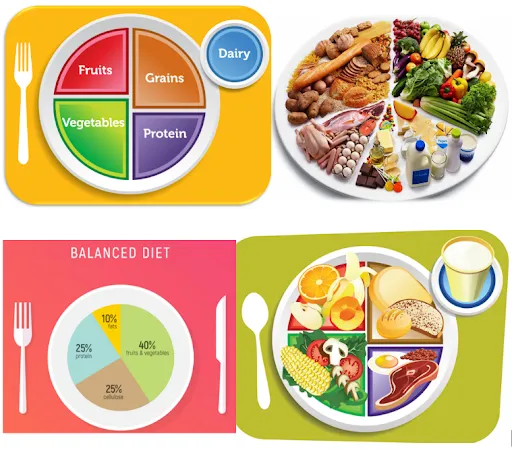
Think of your child’s thali in four parts: half should be vegetables and fruits (sabzi aur phal), one quarter should be protein (dal, paneer, eggs), and one quarter should be grains (roti, chawal). Add a small bowl of dahi or glass of doodh on the side. That’s the MyPlate method - simple, visual, and perfect for Indian meals!
Don’t stress, parents - if your child’s meals roughly follow this pattern most days, they’re getting balanced nutrition. Ek din agar sirf roti-dal kha liya, koi baat nahi. Balance over the week matters more than perfection at every meal.
Understanding MyPlate: The Visual Guide
MyPlate replaces the old food pyramid with something much simpler - just look at your plate! Here’s how it breaks down:
| Section | Amount | Examples |
|---|---|---|
| Vegetables | About 1/4 plate | Palak, gobhi, beans, lauki, bhindi |
| Fruits | About 1/4 plate | Kela, seb, papita, santara, aam |
| Grains | About 1/4 plate | Roti, chawal, daliya, poha |
| Protein | About 1/4 plate | Dal, paneer, eggs, rajma, chicken |
| Dairy | Side serving | Doodh, dahi, chaach |
Why This Works Better Than Food Pyramid
The old food pyramid was confusing - grains at the bottom seemed most important. MyPlate shows what your actual meal should look like. Plus, it matches exactly how we serve Indian food on a thali!
Building MyPlate Meals: Indian Style
Breakfast Ideas
Balanced Breakfast 1: South Indian
-
Protein: 2 idlis (fermented = bonus!)
-
Vegetables: Sambar with veggies
-
Add-on: Small bowl of coconut chutney
-
Dairy: Glass of milk Balanced Breakfast 2: North Indian
-
Grains: Aloo paratha
-
Protein: Glass of lassi or dahi
-
Fruits: Sliced banana or apple
-
Add vegetable: Add palak or methi to paratha dough Balanced Breakfast 3: Quick Option
-
Grains: Vegetable poha
-
Protein: Boiled egg or sprouts
-
Fruits: Seasonal fruit
-
Dairy: Milk with the meal
Lunch Ideas
School Lunch Dabba:
-
Grains: 1-2 rotis or rice
-
Protein: Dal or rajma
-
Vegetables: Sabzi (any variety)
-
Fruits: Cut fruits or small fruit
-
(Dahi can be packed in insulated container) Weekend Lunch:
-
Grains: Jeera rice
-
Protein: Chole or dal makhani
-
Vegetables: Mixed sabzi + salad (kheera, gajar, tamatar)
-
Dairy: Chaach or raita
Dinner Ideas
Light Dinner:
-
Grains: Daliya khichdi
-
Protein: Moong dal in the khichdi
-
Vegetables: Mixed vegetables in khichdi
-
Dairy: Bowl of dahi Regular Dinner:
-
Grains: 1-2 rotis
-
Protein: Dal + paneer/egg
-
Vegetables: Seasonal sabzi
-
Dairy: Glass of milk at bedtime
Age-Appropriate Portions
1-3 Years (Toddlers)
Small portions, frequent meals:
- Grains: Half roti or 3-4 tbsp rice
- Protein: 2-3 tbsp dal/paneer
- Vegetables: 2-3 tbsp cooked sabzi
- Fruits: Small fruit or half katori
- Dairy: 2 cups milk products total
4-8 Years (Preschool & Early School)
- Grains: 1 roti or half bowl rice
- Protein: Half katori dal + additional source
- Vegetables: 1 katori
- Fruits: 1-2 servings
- Dairy: 2-2.5 cups
9-13 Years (Pre-teens)
Growing appetites need more:
- Grains: 1-2 rotis or full bowl rice
- Protein: 1 katori dal + egg/paneer
- Vegetables: 1-2 katori
- Fruits: 2-3 servings
- Dairy: 3 cups (important for bone growth!)
14+ Years (Teenagers)
- Grains: 2-3 rotis based on activity
- Protein: More protein needed for growth
- Vegetables: Half plate at each meal
- Fruits: 2-3 servings
- Dairy: 3 cups minimum
When to Worry (Red Flags)
Consult your pediatrician if your child:
- Refuses all foods from a group for more than 2 weeks
- Not gaining weight as expected
- Always tired despite good sleep
- Frequently ill - may indicate nutritional deficiency
- Very limited diet - only eats 5-6 different foods
- Shows signs of deficiency - pale skin, brittle hair/nails
- Has extreme food anxiety or mealtime battles
Practical Tips for Indian Parents
Making It Work Day-to-Day
- Don’t count every meal - Look at the whole week
- Include sabzi creatively - Palak paratha, vegetable pulao, mixed dal
- Make fruits accessible - Keep cut fruits visible in fridge
- Rotate proteins - Different dal each day, eggs 3-4 times/week
- Don’t skip dairy - Dahi with lunch, milk at bedtime
Dealing with Picky Eaters
- One new food at a time - Pair with favorites
- Same food, different form - Didn’t eat gajar sabzi? Try gajar paratha
- Involve children - Let them choose sabzi at market
- No separate meals - Family eats together, same food
- Praise without pressure - “I like how you tried the beans!”
Smart Snacking
Good snacks (fill nutritional gaps):
-
Fruits with peanut butter
-
Roasted makhana or chana
-
Dahi with fruits
-
Cheese with whole wheat crackers
-
Homemade mathri or khakhra Limit these:
-
Packaged chips and biscuits
-
Sugary drinks and juices
-
Candy and chocolates
-
Fried namkeen daily
FAQs
Q: My child doesn’t like vegetables at all. What do I do?
A: Bahut common hai! Try hiding vegetables initially - palak in paratha, lauki in dal, carrots in upma. Keep offering visible vegetables too. Tastes develop over time with repeated exposure (sometimes 15-20 times!).
Q: Should I force my child to finish their plate?
A: No, forcing backfires. Serve small portions, let them ask for more. Teach them to recognize hunger and fullness. “Clean plate” pressure can lead to overeating habits.
Q: Is rice okay for children or should I give only roti?
A: Both are fine! Rice and roti are both healthy grains. Variety is best - rotate between roti, rice, daliya, poha, etc. Whole grains when possible.
Q: My child wants to eat the same thing every day. Is that okay?
A: Short-term phases are normal. Long-term, try to introduce variety slowly. Same food different preparation helps (dal fry vs dal tadka). Ensure they get all food groups even within limited preferences.
Q: How important is breakfast? My child doesn’t want to eat in the morning.
A: Breakfast helps with energy and concentration. Start with something small if appetite is low - even a banana and milk counts. Don’t force heavy breakfast; light options are fine initially.
This article was reviewed by the Babynama Medical Team. Last updated: January 2024
This article is for general guidance for Indian families and follows IAP (Indian Academy of Pediatrics) feeding principles. It is not a substitute for professional medical advice. Every child’s nutritional needs differ — please consult your pediatrician for advice specific to your child.
Need personalized guidance? Book a consultation with our pediatricians or explore our Care Plans for 24/7 expert support!
Continue with this topic