Quick Answer
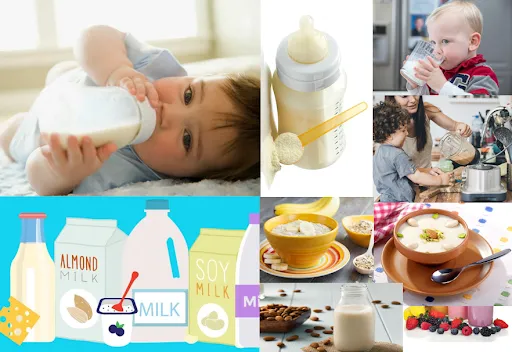
The best milk depends on your child’s age. For babies under 12 months, only breastmilk (maa ka doodh) or infant formula like NAN Pro or Lactogen should be given - never cow’s milk. After 1 year, whole cow’s milk or buffalo milk becomes beneficial. Toddlers need 2 cups of doodh daily for strong bones and healthy development. Milk is packed with calcium, protein, and vitamin D that are essential for your growing child.
Why Milk is Called a “Sampurna Aahar” (Complete Food)
In Indian households, doodh has always held a special place in child nutrition - and science backs this up! Milk contains nearly every nutrient your child needs for proper growth.
Nutritional Breakdown of Milk
| Nutrient | Amount (per 250ml whole milk) | Benefit for Children |
|---|---|---|
| Calcium | 300mg | Strong bones & teeth (haddiyon ki mazbooti) |
| Protein | 8g | Muscle growth, tissue repair |
| Vitamin D | 2.5mcg | Bone health, immunity |
| Vitamin B12 | 1.1mcg | Brain development, red blood cells |
| Potassium | 350mg | Heart health, blood pressure |
| Phosphorus | 230mg | Bone mineralization |
| Vitamin A | 150mcg | Eye health, immunity |
| Riboflavin (B2) | 0.4mg | Energy production |
Did you know? Just 2 cups of milk provides 60% of a toddler’s daily calcium needs and 50% of protein requirements!
Types of Milk: What’s Best for Each Age
For Babies (0-12 Months)
Breastmilk is the gold standard. WHO recommends exclusive breastfeeding for 6 months and continued breastfeeding up to 2 years alongside solid foods.
Infant Formula (when breastmilk is not available or insufficient):
| Brand | Stage 1 (0-6 months) | Stage 2 (6-12 months) | Key Features |
|---|---|---|---|
| NAN Pro | NAN Pro 1 | NAN Pro 2 | Probiotics, DHA/ARA, premium |
| Lactogen | Lactogen 1 | Lactogen 2 | Affordable, widely available |
| Similac | Similac Advance 1 | Similac Advance 2 | Prebiotics, no palm oil |
| Enfamil | Enfamil A+ Stage 1 | Enfamil A+ Stage 2 | Brain-building nutrients |
Important: Never give cow’s milk, buffalo milk, or plant-based milk to babies under 1 year as their primary drink.
For Toddlers (1-2 Years)
Whole milk (full cream) is recommended:
- Cow’s milk: Amul Gold, Mother Dairy Full Cream
- Buffalo milk: Traditional choice, higher fat content
- Both need to be boiled before serving Why full fat? Toddlers’ brains are rapidly developing and need the fat content in whole milk. Don’t give toned or skimmed milk to children under 2 years.
For Children (2+ Years)
Can transition to:
- Toned milk - Amul Taaza, regular packet milk
- Double-toned milk - Lower fat option for older children
- Continue with full cream if child is underweight
Plant-Based Alternatives
For children with lactose intolerance or milk allergy (after consulting pediatrician):
| Alternative | Protein | Calcium | Best For |
|---|---|---|---|
| Soy milk | High | Fortified | Best overall alternative |
| Almond milk | Low | Fortified | Nut lovers, lactose intolerance |
| Oat milk | Medium | Fortified | Creamy taste preference |
| Coconut milk | Low | Often fortified | Cooking, not primary drink |
| A2 milk | Same as regular | Same | Easier digestion for some |
Note: Always choose calcium-fortified versions of plant milks.
How Much Milk Does Your Child Need?
Daily Milk Recommendations by Age
| Age Group | Daily Milk Amount | Type of Milk |
|---|---|---|
| 0-6 months | On-demand breastfeeding OR 600-900ml formula | Breastmilk/NAN/Lactogen |
| 6-12 months | Breastmilk/formula remains primary; continue on-demand | Breastmilk/Stage 2 formula |
| 12-24 months | 400-480ml (2 cups) | Full cream cow’s milk |
| 2-3 years | 400ml (2 cups) | Toned or full cream |
| 4-8 years | 480-600ml (2-2.5 cups) | Toned milk |
| 9+ years | 720ml (3 cups) | Toned/double-toned |
Warning: Don’t exceed 500ml daily for toddlers - too much milk can reduce appetite for solid foods and cause iron deficiency.
5 Key Benefits of Milk for Children
1. Strong Bones and Teeth (Haddiyon Ki Mazbooti)
Calcium and vitamin D work together to build strong bones. Children who drink adequate milk have higher bone density and lower risk of fractures.
2. Muscle Growth and Development
High-quality proteins (whey and casein) in milk support muscle building and tissue repair - essential for active, growing children.
3. Brain Development (Dimag Ki Tarakki)
Milk provides vitamin B12, iodine, and healthy fats needed for cognitive development, memory, and concentration.
4. Healthy Weight Management
Protein in milk keeps children feeling full longer, reducing unhealthy snacking. Studies show children who drink milk have healthier weights.
5. Hydration Plus Nutrition
Unlike sugary drinks, milk provides hydration along with essential nutrients - a double benefit!
Indian Ways to Give Milk to Kids
Traditional Preparations
| Preparation | Recipe | Benefits |
|---|---|---|
| Haldi Doodh | Warm milk + pinch of turmeric | Immunity, anti-inflammatory |
| Elaichi Doodh | Milk + crushed cardamom | Digestion, pleasant taste |
| Kesar Doodh | Milk + few strands saffron | Traditional remedy |
| Badam Doodh | Milk + almond paste | Energy |
Note: Additions like haldi, kesar and badam are widely used in Indian homes but have no proven medical benefit for children — discuss with your pediatrician before relying on them. Saffron, almond and turmeric should not be given before 6 months; nothing other than breast milk or formula is needed before 6 months.
Modern Options (Use Sparingly)
- Bournvita, Horlicks - Okay occasionally but high in sugar
- Chocolate milk - Treat only, not daily
- Flavored milk - Check sugar content Best practice: Plain milk with natural additions (elaichi, badam) is healthiest.
Common Mistakes to Avoid
- Giving cow’s milk before 1 year - Baby’s kidneys can’t handle it
- Over-boiling milk - Destroys nutrients; bring to one rolling boil only
- Adding too much sugar/powder - Creates preference for sweet drinks
- Giving cold milk from fridge - Can cause tummy upset; serve at room temperature or warm
- Using bottle after 18 months - Switch to cup to protect teeth
- Replacing meals with milk - Milk complements, doesn’t replace solid foods
- Ignoring expiry dates - Always check freshness
When to Seek Help
Consult your pediatrician if:
- Baby refuses both breastmilk and formula (botal se doodh nahi pi raha)
- Child has stomach pain, bloating, or loose motions after milk
- You notice skin rashes after consuming dairy
- Child is not gaining weight despite adequate feeding
- Vomiting or severe fussiness after feeds
- You suspect lactose intolerance or milk allergy
Expert Insight: Fed is best. Formula is a valid choice and provides excellent nutrition.
FAQs
Q: Which formula is best - NAN or Lactogen?
A: Both are good quality formulas from Nestle and provide complete infant nutrition. NAN Pro contains added probiotics (good bacteria for digestion) and is priced higher. Lactogen is more affordable and equally nutritious. Your pediatrician may recommend one based on your baby’s specific needs. Some babies digest one better than the other - you may need to try to see which suits your baby.
Q: My baby is not taking botal (bottle). What should I do?
A: This is common! Try these tips:
- Offer bottle when baby is slightly hungry, not starving
- Try different nipple shapes (some babies prefer certain brands)
- Have someone other than mother offer the bottle
- Warm the formula to body temperature
- Try feeding in different positions
- Be patient - it may take several attempts
Q: Can I give formula along with breastmilk?
A: Haan, bilkul! Mixed feeding (combination feeding) is generally safe and very common. Many mothers breastfeed when with baby and give formula when at work. Always breastfeed first if possible, then top up with formula. Both NAN Pro and Lactogen can be given alongside breastmilk.
Q: How much formula for a 2-month-old baby?
A: A 2-month-old typically needs:
- Per feed: 90-120 ml
- Number of feeds: 6-8 times in 24 hours
- Total daily: 600-750 ml approximately Every baby is different - follow hunger cues rather than forcing a fixed amount. Baby should have 6+ wet diapers daily if getting enough.
Q: Is A2 milk better than regular milk for children?
A: A2 milk contains only A2 beta-casein protein (regular milk has both A1 and A2). Some children who have mild digestive discomfort with regular milk may tolerate A2 milk better. However, for most children, regular cow’s milk is suitable. A2 milk is more expensive and not necessary unless your child has specific digestive issues with regular milk.
Q: My toddler drinks too much milk and won’t eat food. What to do?
A: Limit milk to 400-480ml (2 cups) daily. Excess milk:
- Fills small stomachs, reducing hunger for solid food
- Can cause iron deficiency (milk blocks iron absorption)
- Creates nutritional gaps Offer milk with meals or as snack, not throughout the day. If toddler demands more, offer water instead.
This article was reviewed by Babynama Pediatricians.
Need personalized guidance? Book a consultation with our pediatricians or explore our Care Plans for 24/7 expert support!
This article is for general information for Indian parents and does not replace a consultation with your pediatrician. Feeding, milk choice and allergy decisions should be individualised for your child. For any medical emergency — such as a severe allergic reaction, choking, breathing difficulty or sudden severe illness — call 112 (national emergency) or 108 (ambulance), or go to your nearest hospital immediately.
Related Tools
Continue with this topic