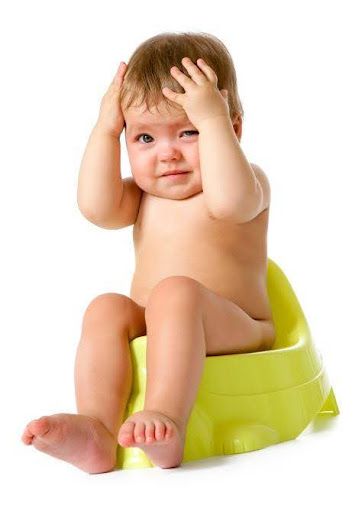
When your child has loose motions, it is natural to panic about what to feed them. But the single most important thing to understand is this: in childhood diarrhoea, the real danger is not the diarrhoea itself — it is dehydration, the loss of fluids and salts from the body. Getting fluids back in is the priority, and food comes alongside it, not after it.
Quick Answer
- The mainstay of treatment is fluids, especially ORS (oral rehydration solution). Give small, frequent sips after every loose stool.
- Keep feeding. Do not starve your child. The old advice to stop food is wrong — continue normal, age-appropriate meals and breastfeeding.
- Zinc for about 14 days is recommended in childhood diarrhoea, as advised by your doctor. It shortens the illness and helps recovery.
- Avoid sugary drinks — juices, soft drinks and very sweet liquids can make diarrhoea worse.
- Watch for dehydration. Sunken eyes, no tears, very few wet nappies, dry mouth or drowsiness mean you need to see a doctor urgently.
The real danger is dehydration — ORS is key
Every loose stool drains water and essential salts from your child’s body. If those are not replaced, the child becomes dehydrated, which is what actually makes children seriously ill.
ORS (oral rehydration solution) is designed to replace exactly what is lost. Make it up correctly with the right amount of clean water — do not make it stronger or weaker than the packet says. Then give it in small, frequent sips after every loose stool, even if the child only takes a little at a time. Slow and steady works better than forcing a large amount at once, which can trigger vomiting.
Alongside ORS, keep up other fluids your child is used to: plain water, dal water, rice water (kanji), coconut water, and milk. Breastfed babies should keep breastfeeding as often as they want — breast milk is both fluid and food, and it is one of the best things for a baby with diarrhoea.
Zinc supplement (14 days, as your doctor advises)
Paediatric guidance recommends a zinc supplement for about 14 days in childhood diarrhoea. Zinc has been shown to shorten how long the diarrhoea lasts and to help the gut recover, and it may reduce the chance of further episodes in the following weeks. Give it for the full course even if the loose motions stop earlier — and use it at the dose your doctor advises for your child’s age. Zinc is recommended for almost all children with diarrhoea, so do ask your doctor or chemist for it — don’t skip it.
Keep feeding — don’t starve the child
A common mistake is to stop all food when a child has loose motions. This is the wrong advice. Starving a child during diarrhoea slows recovery, weakens them, and does nothing to stop the diarrhoea.
Instead, continue normal, age-appropriate feeding throughout the illness. Babies under six months should carry on with breast milk (or their usual formula). Older children should keep eating their regular meals, offered in smaller portions more often if their appetite is down. Feeding during diarrhoea helps the gut heal and keeps your child’s strength up.
Easy foods to give
Most familiar home foods are fine. Soft, easy-to-digest and lightly binding foods are usually best tolerated:
- Banana — gentle, filling and easy on the stomach
- Rice or khichdi — soft, plain and easy to digest
- Curd / dahi — a good choice; the probiotics can help recovery
- Dal-rice — a balanced, comforting staple
- Cooked potato and carrot — soft, mashable and well tolerated
- Toast — plain, lightly toasted bread
- Idli — soft and easy to digest
- Applesauce or cooked apple — gentle and lightly binding
Offer these in small amounts often, and let your child eat as much as they comfortably want.
Foods and drinks to avoid
- Very sugary drinks — packaged fruit juices, soft drinks and very sweet liquids. The sugar pulls more water into the gut and can worsen the diarrhoea.
- Oily, fried and junk food — harder to digest and likely to upset the stomach further.
- Unhygienic food and water — contaminated food and water are a leading cause of diarrhoea in the first place, so be extra careful about hygiene while your child is unwell.
CRITICAL red flags — see a doctor urgently
Seek medical help straight away if your child has any of these:
- Signs of dehydration — sunken eyes, no tears when crying, very few wet nappies or very little urine, dry mouth, or lethargy and drowsiness
- Blood or mucus in the stool
- Persistent vomiting — unable to keep fluids down
- High fever
- Diarrhoea lasting more than a couple of days without improvement
- A baby under 6 months with diarrhoea
Do not wait it out if you see these — they need to be assessed promptly.
Prevent it
Most childhood diarrhoea is preventable with good hygiene:
- Use clean, safe drinking water — boil or purify if you are unsure.
- Wash hands with soap, especially before preparing food and feeding, and after using the toilet or changing nappies.
- Prepare and store food hygienically, and serve it fresh.
Indian context
In India, contaminated water and food are common triggers for loose motions, so clean water and hand-washing matter a great deal. The good news is that ORS packets and zinc are cheap and widely available at chemists across the country. Keep a few ORS packets at home so you can start rehydration the moment diarrhoea begins, rather than scrambling for them later.
Frequently Asked Questions
Q: Should I stop feeding my child during diarrhoea?
A: No. Starving a child during diarrhoea is the wrong, outdated advice. Keep feeding normal, age-appropriate food and continue breastfeeding — it helps the gut recover and keeps your child strong. Offer smaller portions more often if appetite is low.
Q: Is curd good during diarrhoea?
A: Yes, curd (dahi) is a good choice. It is easy to digest and its probiotics can support recovery. Plain home-set curd is best; avoid sugary flavoured versions.
Q: Can I give fruit juice to settle my child’s stomach?
A: Better not to. Packaged and very sweet juices can pull more water into the gut and worsen the diarrhoea. Stick to ORS, water, dal water, rice water, coconut water and milk.
Q: How much ORS should I give?
A: Give small, frequent sips after every loose stool. The aim is to replace what is being lost, so keep offering it steadily rather than a large amount at once. Your doctor can guide the amount for your child’s age and weight.
Q: When is diarrhoea an emergency?
A: Treat it as urgent if you see signs of dehydration (sunken eyes, no tears, very little urine, dry mouth, drowsiness), blood or mucus in the stool, persistent vomiting, high fever, diarrhoea lasting more than a couple of days, or any diarrhoea in a baby under 6 months.
Worried about loose motions or feeding during illness? Talk to other parents and our team — join here.
This article is for general information and is not a substitute for personalised medical advice. Always consult your paediatrician about your own child.
Continue with this topic