Quick Answer
The first 1000 days - from the day you conceive until your child turns 2 - is the most critical window for your child’s lifelong health and development. During this time, your baby’s brain grows to 80% of adult size, their immune system develops, and the foundation for their entire life is built. Good nutrition during this period prevents stunting, supports brain development, and protects against chronic diseases. The best news? You have the power to shape this through what you eat during pregnancy, breastfeeding (stanpan), and the foods you introduce.
What Are the First 1000 Days?
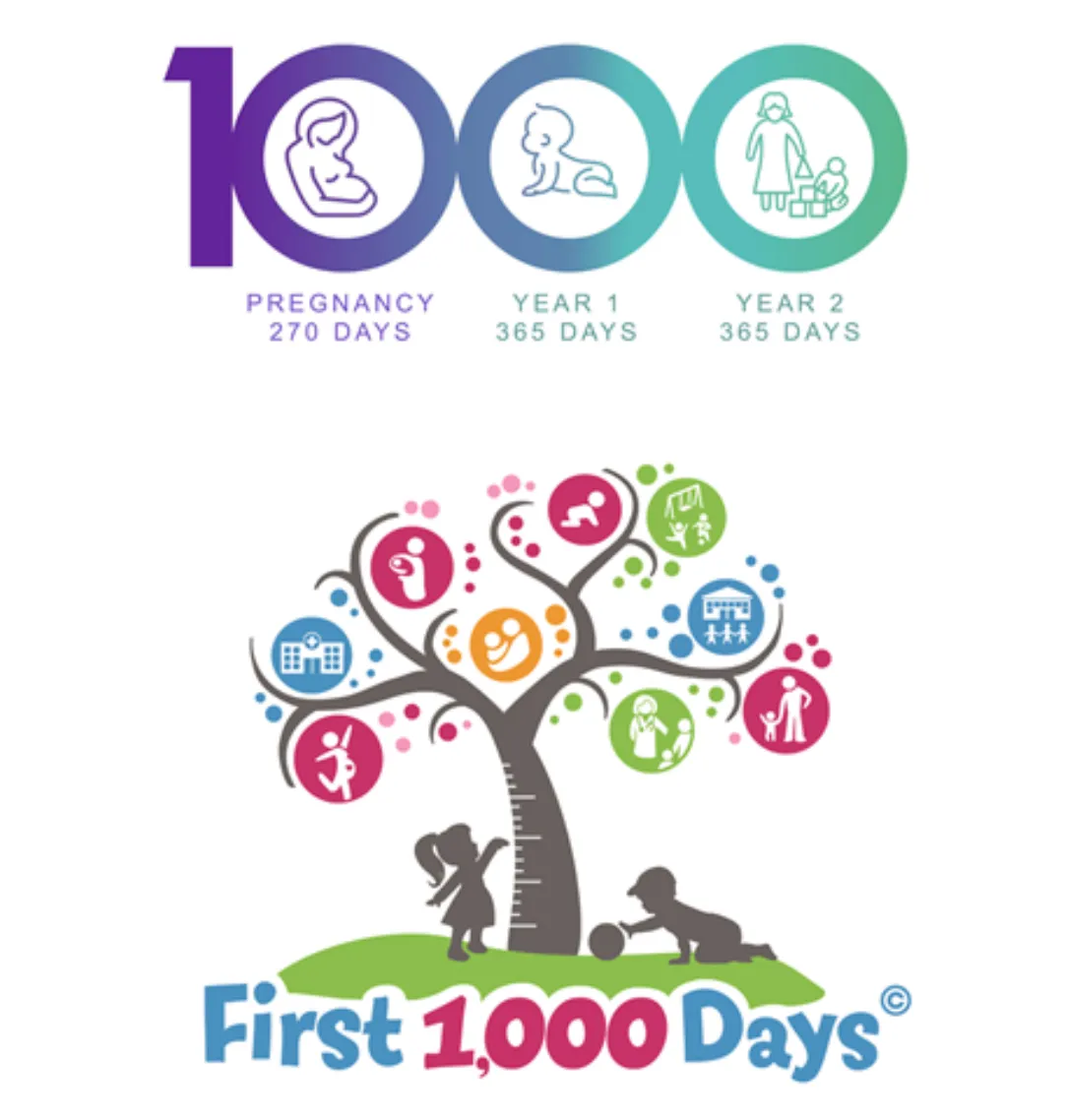
The first 1000 days is calculated as:
-
270 days of pregnancy (conception to birth)
-
365 days of baby’s first year
-
365 days of baby’s second year
-
Total: 1000 days This concept was developed by UNICEF and WHO after research showed that nutrition during this window has irreversible effects on a child’s:
-
Brain development
-
Physical growth
-
Immunity
-
Risk of diabetes, heart disease, and obesity later in life
Reassurance for expecting and new moms: This isn’t meant to create pressure or guilt. It’s empowering - every healthy meal you eat, every breastfeed you give, every nutritious bite you offer your baby is an investment in their future. Small consistent efforts add up to big results.
Why These 1000 Days Matter So Much
Brain Development
During the first 1000 days:
-
700 new neural connections form every second
-
The brain reaches 80% of adult size by age 2
-
Language, cognitive abilities, and emotional regulation are established Nutrients that matter most:
-
DHA (from fatty fish, walnuts)
-
Iron (brain needs it for oxygen)
-
Protein (building blocks)
-
Iodine (critical for brain development)
Breaking the Malnutrition Cycle
India has one of the highest rates of child malnutrition globally:
- 35% of children under 5 are stunted
- 67% of children are anemic Poor nutrition in the first 1000 days creates an intergenerational cycle: undernourished girls grow into undernourished mothers who have undernourished babies. Good nutrition during this window breaks this cycle.
Phase 1: Nutrition During Pregnancy (Days 1-270)
Your baby gets everything from you. What you eat directly builds their body and brain.
Essential Nutrients During Pregnancy
| Nutrient | Daily Need | Indian Food Sources |
|---|---|---|
| Protein | 60-70g | Dal, paneer, eggs, chicken, milk |
| Iron | 35-40mg | Palak, beetroot, pomegranate, dates |
| Calcium | 1000mg | Milk, dahi, ragi, sesame (til) |
| Folic Acid | 400-600mcg | Green leafy vegetables, dal, citrus |
| DHA | 200-300mg | Fish, walnuts, flaxseeds |
| Iodine | 250mcg | Iodized salt |
Practical Pregnancy Nutrition Tips
First Trimester (Months 1-3):
-
Focus on folic acid-rich foods
-
Eat small frequent meals if nauseous
-
Continue prenatal supplements as prescribed Second Trimester (Months 4-6):
-
Increase protein intake
-
Add iron-rich foods (or supplements)
-
Include calcium-rich foods daily Third Trimester (Months 7-9):
-
Baby’s brain grows rapidly - ensure DHA intake
-
Eat frequent small meals (less space for big meals)
-
Stay hydrated for amniotic fluid What to avoid:
-
Raw or undercooked meat/eggs
-
Unpasteurized dairy
-
Excessive caffeine
-
Alcohol (completely)
-
Raw papaya and pineapple (in large amounts)
Indian Pregnancy Diet Additions
Add 300-500 extra calories daily through:
- An extra roti with dal/sabzi
- A handful of nuts (badam, akhrot)
- A glass of milk/buttermilk
- Fresh fruits (banana, apple, chiku)
Phase 2: First 6 Months - Exclusive Breastfeeding (Days 271-450)
Why Only Breast Milk?
For the first 6 months, breast milk (maa ka doodh) provides:
-
Complete nutrition - no water needed even in Indian summers
-
Antibodies that protect against infections
-
Perfect digestibility
-
Bonding and emotional security What exclusive breastfeeding means:
-
Only breast milk - no water, ghutti, honey, or formula
-
Feed on demand (8-12 times in 24 hours)
-
No scheduled feeding - baby knows when they’re hungry
Supporting Your Breastfeeding Journey
Nutrition for lactating mothers:
- Extra 500 calories daily
- Plenty of fluids (water, milk, soups)
- Traditional galactagogues: methi, saunf, jeera
- Balanced meals with all food groups Common breastfeeding concerns:
| Concern | Reality |
|---|---|
| “My milk is not enough” | Most mothers make enough; frequent feeding increases supply |
| “My milk is thin/watery” | Foremilk is watery, hindmilk is fatty - both are needed |
| “Baby cries after feeding” | May be gas, growth spurt, or comfort need - not always hunger |
Phase 3: Complementary Feeding (Days 451-635, Ages 6-12 Months)
When to Start Solids
At 6 months (corrected age for preemies), introduce complementary foods when baby shows:
- Good head and neck control
- Can sit with support
- Shows interest in food
- Tongue thrust reflex has diminished
First Foods for Indian Babies
Start with iron-rich foods:
-
Ragi porridge
-
Mashed dal (moong, masoor)
-
Rice cereal
-
Mashed banana or chiku Texture progression:
-
6-7 months: Smooth purees
-
8-9 months: Mashed foods with soft lumps
-
10-12 months: Finger foods, family foods (mashed)
Sample 8-Month Menu
| Time | Food |
|---|---|
| Morning | Breastfeed + Ragi porridge (2-3 tbsp) |
| Mid-morning | Breastfeed |
| Lunch | Khichdi with ghee (3-4 tbsp) |
| Afternoon | Breastfeed |
| Evening | Mashed banana/fruit |
| Dinner | Suji halwa or dal rice |
| Night | Breastfeed on demand |
Remember: Breast milk remains the primary source of nutrition. Solids complement, not replace.
Phase 4: Toddler Nutrition (Days 636-1000, Ages 12-24 Months)
Transitioning to Family Foods
By 12-24 months:
- Baby can eat most family foods (mashed or cut small)
- Continue breastfeeding alongside meals
- Offer 3 meals + 2-3 healthy snacks daily
- Introduce variety in textures and tastes
Key Nutrients for Toddlers
| Nutrient | Importance | Sources |
|---|---|---|
| Iron | Brain development, prevents anemia | Ragi, green leafy vegetables, eggs |
| Protein | Growth and development | Dal, paneer, eggs, chicken |
| Calcium | Strong bones and teeth | Milk, dahi, ragi |
| Healthy Fats | Brain development | Ghee, nuts, fish |
| Vitamin A | Vision and immunity | Carrots, papaya, mango |
Dealing with Picky Eating
Toddlers are naturally picky. Stay calm and:
- Offer variety without pressure
- Make mealtimes pleasant
- Let them explore food with hands
- Model healthy eating yourself
- Avoid force-feeding
Common Mistakes to Avoid
- Starting solids before 6 months - Baby’s gut isn’t ready
- Giving honey before 1 year - Risk of botulism
- Adding sugar/salt - Baby doesn’t need it; develops unhealthy preferences
- Replacing meals with milk - After 1 year, milk is supplement, not main food
- Force feeding - Creates negative food associations
- Relying on packaged “health drinks” - Fresh homemade food is always better
Expert Insight: Breastfeeding is a skill that takes time to master. Don’t be hard on yourself.
FAQs
Q: I have gestational diabetes. How does this affect my baby’s first 1000 days?
A: Gestational diabetes needs careful management because high blood sugar affects your baby’s growth. Follow your doctor’s diet plan strictly. After birth, breastfeeding is especially important as it helps regulate both your and baby’s blood sugar and reduces baby’s future diabetes risk.
Q: My baby is 4 months old and my mother-in-law insists on giving dal ka paani. Should I?
A: No. WHO, IAP, and all major health organizations recommend exclusive breastfeeding for 6 months. Dal ka paani before 6 months can cause digestive problems and infections. Politely explain that your pediatrician has advised waiting, and breast milk provides everything baby needs.
Q: I’m a vegetarian. Will my baby get enough nutrition?
A: Yes, a well-planned vegetarian diet can meet all your baby’s needs. Focus on: dal/legumes for protein, iron-rich foods (ragi, green vegetables, jaggery), calcium from dairy, and discuss vitamin B12 supplementation with your doctor since it’s mainly found in animal foods.
Q: My 18-month-old only wants milk and refuses solid food. What should I do?
A: This is common but needs attention. Try: limiting milk to 400-500ml daily, offering milk after meals not before, making mealtimes fun, involving toddler in food preparation, and offering finger foods they can self-feed. If the issue persists, consult your pediatrician to rule out any underlying issues.
Q: How important is DHA during pregnancy and breastfeeding?
A: Very important! DHA is critical for brain and eye development. If you don’t eat fish regularly, consider a DHA supplement (after consulting your doctor). Vegetarian sources include walnuts and flaxseeds, though absorption is lower than from fish.
This article was reviewed by Babynama Pediatricians. Last updated: January 2025
Need personalized guidance? Book a consultation with our pediatricians or explore our Care Plans for 24/7 expert support!
Related Tools
General information for Indian parents, not a substitute for your pediatrician. In an emergency, call 112 or 108.
Continue with this topic