Quick Answer
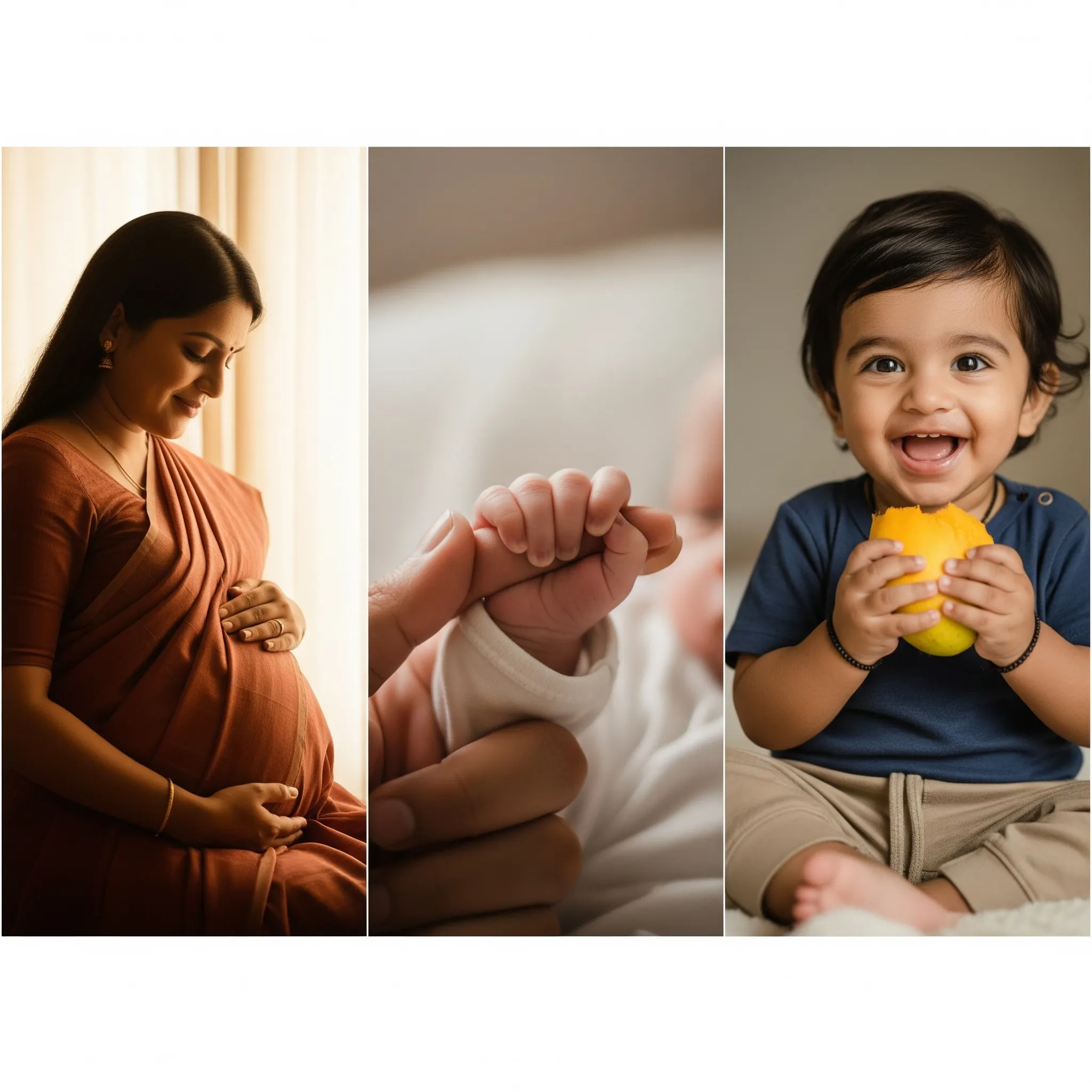
The first 1000 days - from conception to your child’s second birthday - is the golden window that shapes your child’s brain, body, and health for life. During this time, good nutrition can prevent stunting, boost IQ, and reduce the risk of chronic diseases. Here’s what matters most: eat well during pregnancy, breastfeed exclusively for 6 months, then introduce iron-rich complementary foods while continuing breastfeeding until age 2 and beyond. Every small effort during this window creates lasting benefits.

Understanding the First 1000 Days
Think of these 1000 days as building the foundation of a house. No matter how beautiful you make the house later, if the foundation is weak, problems will appear. The first 1000 days is your child’s foundation.
The timeline:
- Days 1-270: Pregnancy (9 months)
- Days 271-450: Birth to 6 months (exclusive breastfeeding)
- Days 451-635: 6 to 12 months (breast milk + complementary foods)
- Days 636-1000: 1 to 2 years (family foods + continued breastfeeding)
What Happens During These Days
Brain Development:
-
75% of brain development happens by age 2
-
700 neural connections form every second
-
This rapid growth never happens again Physical Foundation:
-
Height potential is largely determined
-
Immune system develops
-
Gut health is established
-
Metabolic patterns set for life
Reassurance for parents: You don’t need to be perfect. Consistent good choices matter more than perfection. Every nutritious meal, every breastfeed, every healthy food you offer builds up over time.
Stage 1: Pregnancy - Nourishing Your Baby Before Birth (Days 1-270)
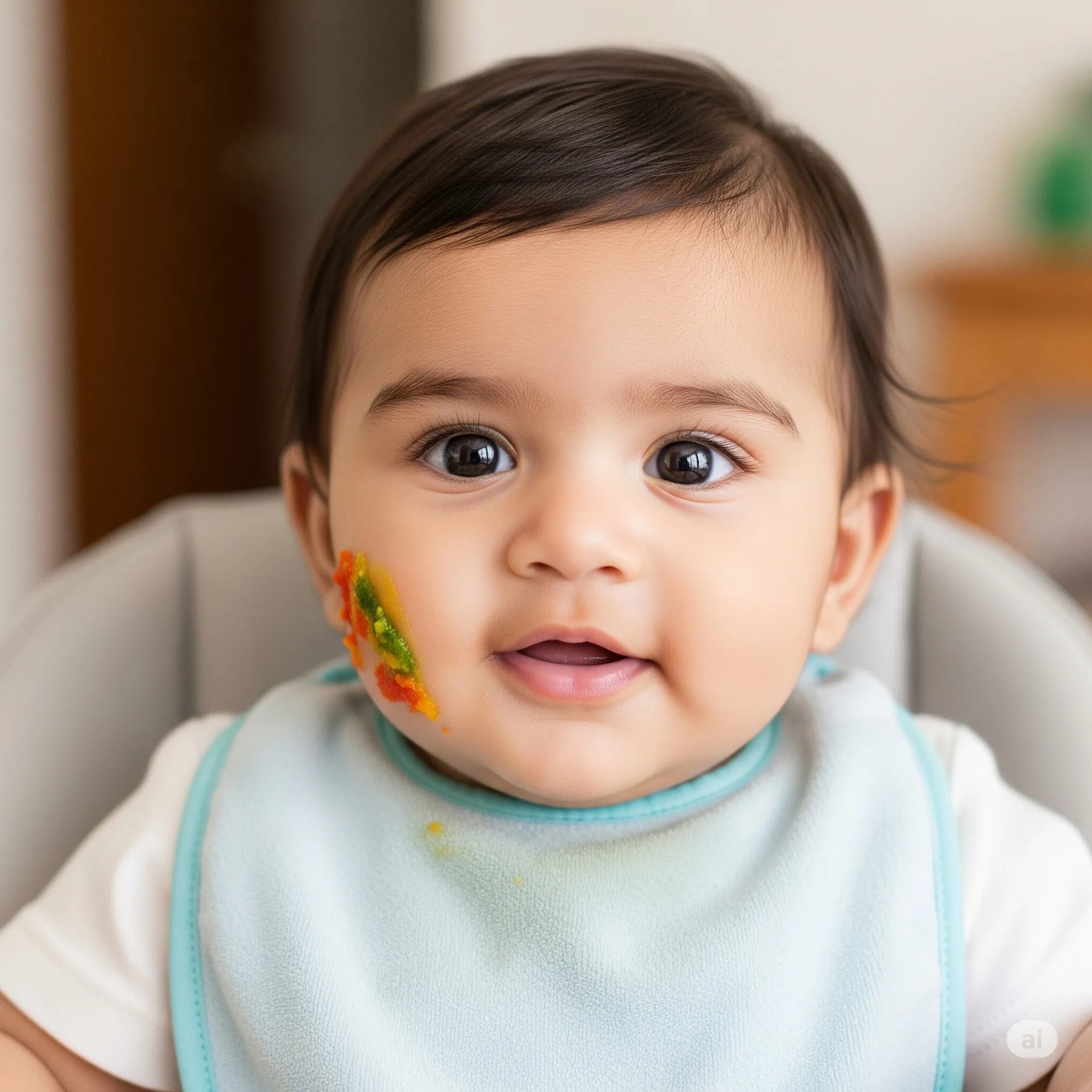
Your baby’s health journey starts before they’re born. Everything you eat crosses the placenta to nourish your growing baby.
Key Nutrition Priorities
For Brain Development:
-
DHA/Omega-3 fatty acids (fish, walnuts, flaxseeds)
-
Iron (prevents learning difficulties)
-
Iodine (critical for brain formation) For Growth:
-
Protein (dal, paneer, eggs, chicken)
-
Calcium (milk, dahi, ragi)
-
Vitamin D (sunlight, supplements) For Protection:
-
Folic acid (prevents neural tube defects)
-
Vitamin A (fruits and vegetables)
-
Zinc (nuts, seeds, whole grains)
Practical Pregnancy Diet for Indian Moms
Daily essentials:
-
3 servings of protein (dal, dahi, egg)
-
2-3 glasses of milk
-
Lots of colorful vegetables
-
2-3 fruits
-
Whole grains (roti, rice, ragi)
-
Handful of nuts daily Extra calories needed:
-
First trimester: 100 extra calories
-
Second trimester: 300 extra calories
-
Third trimester: 450 extra calories This is just one extra roti with sabzi or a banana and handful of nuts - not “eating for two.”
What to Avoid
- Alcohol (completely - no safe amount)
- Smoking and tobacco
- Excessive caffeine (limit to 1 cup chai/coffee)
- Raw or undercooked food
- Unpasteurized dairy
- Certain fish high in mercury
Stage 2: Birth to 6 Months - The Power of Breast Milk (Days 271-450)
This stage has one simple rule: Only breast milk for 6 months.
Why Exclusive Breastfeeding Works
Your breast milk is perfectly designed for your baby:
| What It Provides | How It Helps |
|---|---|
| Complete nutrition | All nutrients in perfect proportions |
| Antibodies | Protection against infections |
| Easy digestion | No constipation or upset stomach |
| Brain-building fats | Supports rapid brain growth |
| Bonding hormones | Emotional connection |
| Hydration | Even in hot Indian summers, no water needed |
The “Exclusive” in Exclusive Breastfeeding
This means:
- Only breast milk - nothing else
- No water (even in summer)
- No honey or ghutti
- No formula unless medically necessary
- No dal ka paani or fruit juice
Making Breastfeeding Work
Frequency:
-
8-12 feeds in 24 hours
-
Feed on demand, not by clock
-
Night feeds are important for supply Signs of Adequate Intake:
-
6-8 wet diapers per day
-
Steady weight gain
-
Active and alert baby
-
Soft yellow stools For Working Mothers:
-
Pump and store milk before returning to work
-
Pump at work to maintain supply
-
Caregiver can give expressed milk via katori-chamach (cup and spoon)
Supporting Nursing Mothers
Nutrition for moms:
- Extra 500 calories daily
- Plenty of fluids
- Traditional galactagogues: methi ladoo, saunf water, jeera
- Rest when possible
Common worry addressed: “My milk is not enough” is rarely true. The more you nurse, the more you make. If baby seems unsatisfied, offer breast more frequently rather than supplementing.
Stage 3: 6-12 Months - Introducing the World of Food (Days 451-635)
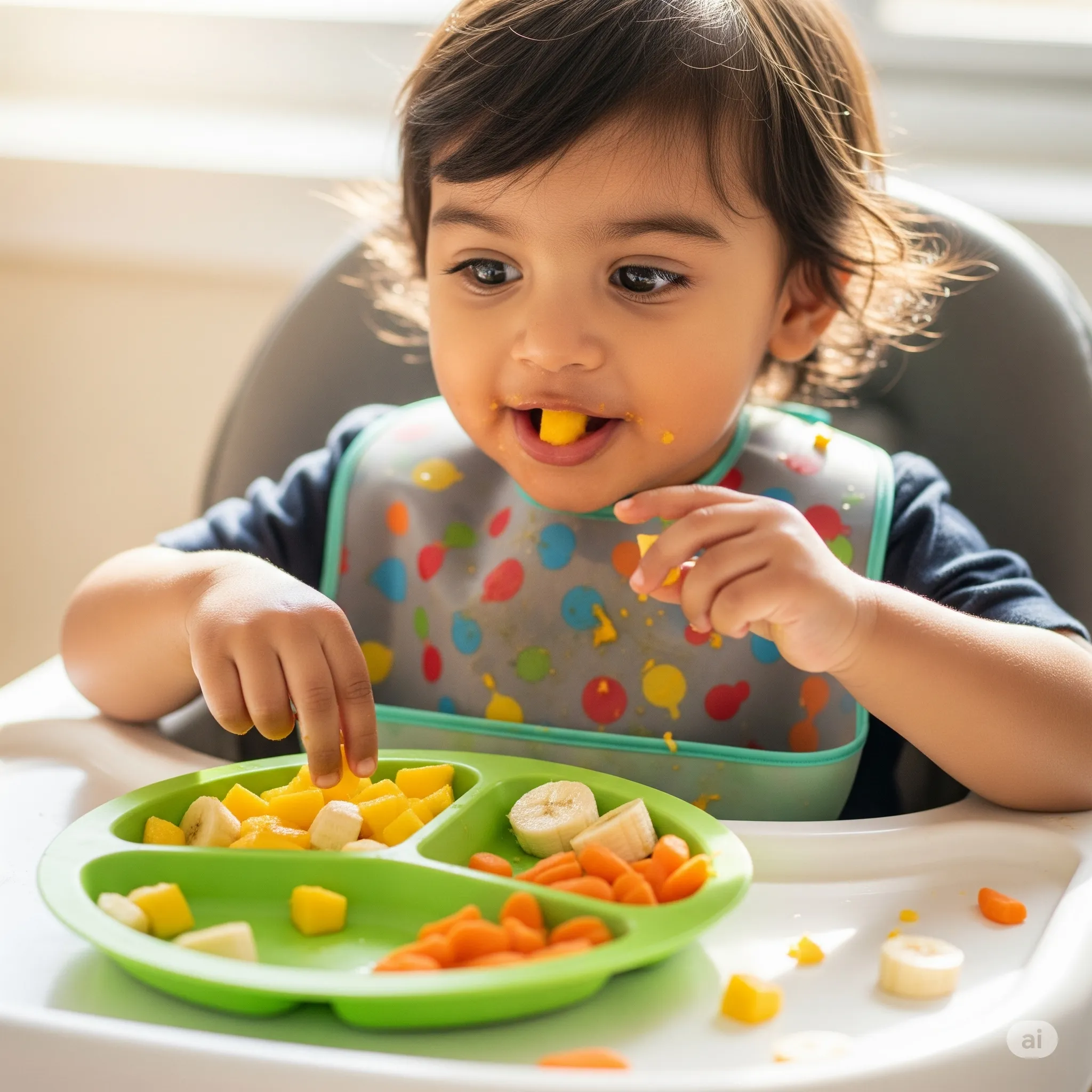
At 6 months, your baby is ready to explore solid foods while continuing breastfeeding.
Signs of Readiness
- Can sit with support
- Good head control
- Shows interest in food
- Can move food to back of mouth
First Foods for Indian Babies
Start with iron-rich foods:
Iron stores from pregnancy are depleting, and breast milk is low in iron.
| Food | Preparation |
|---|---|
| Ragi (finger millet) | Thin porridge with breast milk |
| Moong dal | Mashed well, very soft |
| Rice | Mashed with dal water |
| Banana | Mashed with breast milk |
| Suji | Thin kheer consistency |
Texture Progression
6-7 months: Smooth purees
7-8 months: Thicker purees, mashed foods
8-9 months: Lumpy foods, small soft pieces
9-12 months: Finger foods, family foods (modified)
The 3-Day Rule
When introducing new foods:
- Offer one new food at a time
- Wait 3 days before introducing another
- Watch for allergic reactions (rash, vomiting, diarrhea)
- This helps identify allergies easily
Common Mistakes at This Stage
- Replacing breast milk with food: Continue breastfeeding 6-8 times daily
- Adding sugar/salt: Baby doesn’t need it; develops unhealthy preferences
- Force feeding: Creates negative associations with eating
- Giving packaged foods: Homemade is always better and cheaper
Stage 4: 1-2 Years - Eating with the Family (Days 636-1000)
Your toddler can now eat most family foods with modifications.
Daily Nutrition Needs
Toddlers need:
- 3 meals + 2-3 snacks
- Continued breastfeeding (2-3 feeds daily is fine)
- About 1000-1200 calories daily
Foods to Include Daily
| Food Group | Examples | Servings |
|---|---|---|
| Grains | Roti, rice, dalia | 4-5 small servings |
| Protein | Dal, egg, paneer, chicken | 2-3 servings |
| Dairy | Milk, dahi, paneer | 2 cups |
| Vegetables | All colored vegetables | 2-3 servings |
| Fruits | Banana, apple, papaya | 1-2 servings |
| Healthy fats | Ghee, oil in cooking | In moderation |
Dealing with Picky Eating
Toddlers are naturally picky - this is developmental, not defiant.
Strategies that work:
- Offer variety without pressure
- Let them see you eating the same foods
- Make food visually appealing (small pieces, shapes)
- Allow self-feeding (messy but important)
- Don’t use food as reward or punishment
- Family mealtimes together
Red Flags - When to See a Doctor
Consult your pediatrician if:
- Baby isn’t gaining weight appropriately
- Refusing feeds consistently
- Developmental delays noticed
- Signs of severe allergies
- Persistent vomiting or diarrhea
Expert Insight: Our pediatricians often remind parents that breastfeeding is a skill that takes time to master — don’t be hard on yourself.
FAQs
Q: I couldn’t breastfeed exclusively due to medical reasons. Have I ruined my baby’s first 1000 days?
A: No, you haven’t. While breast milk is ideal, formula-fed babies can also thrive. Focus on what you can control: loving care, responsive feeding, and good nutrition as your child grows. The first 1000 days are about overall patterns, not perfection.
Q: My baby was born premature. How does this affect the first 1000 days?
A: For preemies, calculate the 1000 days from the due date, not birth date. Your preemie’s needs are even higher, making breast milk especially valuable. They may need supplements and specialized formula. Work closely with your pediatrician.
Q: What if I can’t afford variety in food during pregnancy or for my baby?
A: Nutritious eating doesn’t have to be expensive. Focus on local, seasonal foods: dal, eggs, seasonal vegetables, ragi, bananas. These provide excellent nutrition affordably. The government’s ICDS program also provides supplementary nutrition through anganwadis.
Q: My mother-in-law gives traditional ghutti to babies. Is this okay?
A: No. Traditional ghuttis often contain honey (botulism risk before 1 year), heavy metals, or ingredients that can harm babies. Politely explain that current medical guidelines have changed. Breast milk is the only safe food for the first 6 months.
Q: How do I know if my child is growing well during these 1000 days?
A: Regular pediatric check-ups with growth monitoring (weight, length, head circumference) are essential. Your doctor will plot your baby’s growth on standard charts. Consistent growth along their own curve matters more than comparison with others.
This article was reviewed by Babynama Pediatricians. Last updated: January 2025
General information for Indian parents, not a substitute for your pediatrician. In an emergency, call 112 or 108.
Need personalized guidance? Book a consultation with our pediatricians or explore our Care Plans for 24/7 expert support!
Related Tools
Continue with this topic