
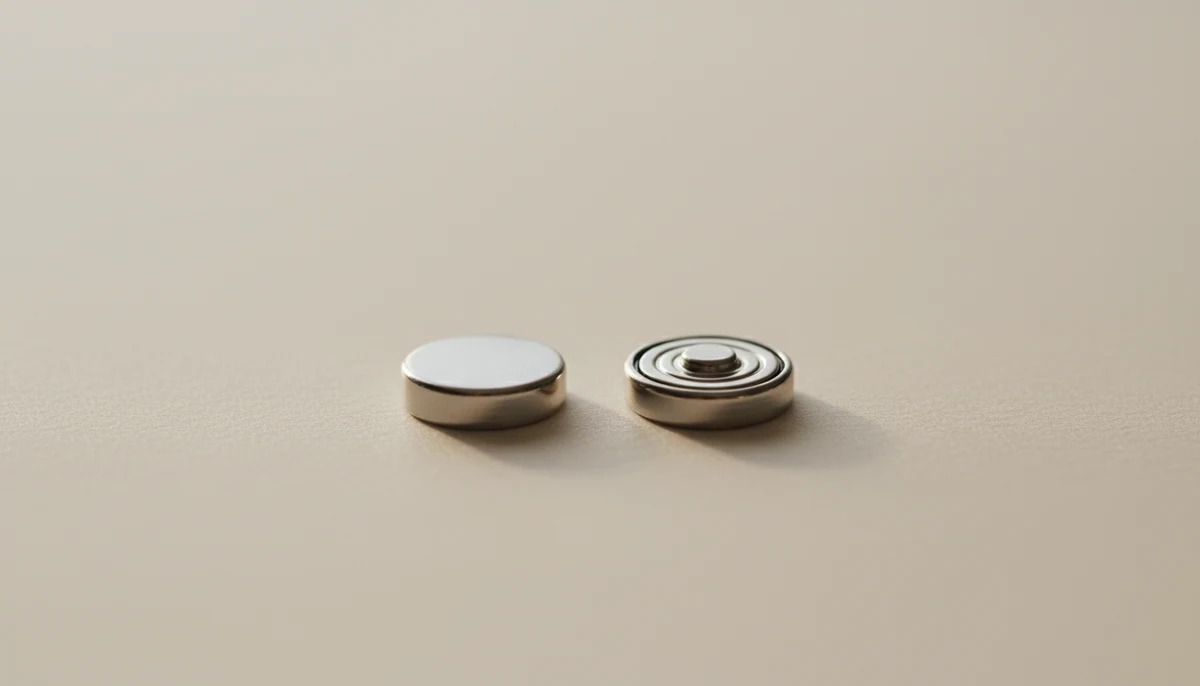
Button batteries — the small, flat, coin-shaped batteries in remote controls, singing greeting cards, bathroom scales, watches, and many toys — are one of the genuine household emergencies that deserves zero waiting. If you know or even suspect your child has swallowed one, the right move is to get to an emergency room immediately, not to watch and wait for symptoms.
Quick Answer
A swallowed button battery can cause severe internal burns in as little as 2 hours if it lodges in the food pipe (oesophagus), because saliva completes an electrical circuit that generates tissue-damaging chemical reactions — this is different from, and far more dangerous than, swallowing a coin, even though they can look similar. If you know or suspect your child has swallowed a button battery, go to the nearest emergency room immediately or call 112/108 — do not wait for symptoms to appear, and do not try to make your child vomit. Some poison control guidelines suggest giving honey, 10mL every 10 minutes, while on the way to the hospital, but only if your child is over 12 months old and can swallow normally — never give honey to a baby under 1 year old, due to the risk of infant botulism. This is a step to reduce damage while getting emergency care, not a substitute for it. X-rays can clearly identify a button battery and show exactly where it is.
Why Button Batteries Are So Dangerous
Unlike a swallowed coin, which usually just passes through harmlessly, a button battery lodged in the oesophagus can generate a chemical reaction with saliva that burns through tissue, sometimes causing serious injury within 2 hours and severe, even life-threatening damage (including perforation into nearby blood vessels) within a day if it isn’t removed. This is specifically a risk when the battery gets stuck in the oesophagus; batteries that pass into the stomach and beyond are generally much lower risk and often pass through naturally, but there is no way to know which has happened without an X-ray.
Common sources of button batteries at home include:
- TV, AC, and other remote controls.
- Musical or singing greeting cards and books.
- Small toys, especially flashing or sound-making ones.
- Digital kitchen scales, bathroom scales, and thermometers.
- Hearing aids, watches, and small calculators.
- Key fobs and small flashlights.
If You Witness or Suspect Ingestion: Act Immediately
- Go to the nearest emergency room right away, or call 112/108. Do not wait to see if symptoms develop — the most serious damage can happen before any obvious symptom appears.
- Do not induce vomiting.
- Do not give your child anything to eat or drink as a first step — except honey, under specific conditions. If your child is over 12 months old, can swallow normally, and you’re already on your way to emergency care, some poison control protocols recommend giving 10mL of honey every 10 minutes en route, as it may help coat and slow damage to the oesophagus. Never give honey to a baby under 12 months old, because of the risk of infant botulism — in that case, skip this step and go straight to the emergency room.
- Bring the battery’s packaging or a matching battery if available — knowing the exact size helps doctors assess risk and plan removal.
An X-ray will clearly show a button battery (it has a distinctive double-ring or “halo” appearance, different from a plain coin) and exactly where it is, which determines how urgently it needs to be removed, usually via endoscopy.
If You Didn’t See It Happen: Watch for These Signs
Sometimes ingestion isn’t witnessed. Any of these signs in a young child, especially with access to button-cell devices, deserve immediate emergency evaluation:
- Drooling, or sudden difficulty or pain swallowing.
- Vomiting, coughing, gagging, or choking without an obvious cause.
- Chest discomfort or pointing to the throat or chest.
- Refusing food or acting unusually unwell without another clear explanation.
Because these symptoms can be vague or even absent early on, when in doubt with a known or strongly suspected ingestion, treat it as an emergency and get an X-ray rather than waiting to see if symptoms appear.
Button Battery vs. Coin: Why It Matters to Tell Them Apart
Since both can look similar on an X-ray to an untrained eye and both can be swallowed accidentally, always tell the emergency doctors if there’s any chance it could be a button battery rather than a coin, even if you’re not sure — the urgency and treatment approach are very different, and doctors will look specifically for the battery’s distinctive halo sign on X-ray.
Preventing Button Battery Ingestion
- Keep loose or spare button batteries locked away and completely out of reach, the same way you’d store medicines.
- Check that battery compartments on remotes, toys, and other devices at home are secured with a screw, not just a sliding or snap-open cover a toddler could open.
- Dispose of dead batteries immediately and safely, rather than leaving them lying around.
- Be aware of which common household items contain button batteries, especially ones that look like toys or are small and shiny (an attractive combination for toddlers).
- If you have older children with battery-powered toys, teach them to keep spare batteries away from younger siblings.
Indian Context
With joint families and multiple generations in a household, remotes, watches, and small electronic gadgets often end up within a crawling or toddling child’s reach in common areas. It’s worth doing a quick battery-compartment check on every remote, toy, and small gadget in the house once a baby starts becoming mobile, not just the ones in their own room.
Frequently Asked Questions
Q: How is a button battery different from a coin if swallowed?
A: A coin usually passes through the digestive system harmlessly. A button battery can generate a chemical reaction with saliva that burns through tissue if it lodges in the oesophagus, causing serious damage within hours — this is a genuine emergency, unlike most coin ingestions.
Q: What if I’m not sure whether my child actually swallowed anything?
A: If a battery is missing and your child was anywhere near it, treat it as a possible ingestion and get an X-ray — it’s a quick, definitive way to know for certain, and the risk of waiting is too high to “watch and see.”
Q: Can I give my baby honey if I think they swallowed a battery?
A: Only if your child is over 12 months old, can swallow normally, and you’re already heading to emergency care — and only as a measure to reduce damage while getting proper treatment, never as a substitute for the emergency room visit. Never give honey to a baby under 12 months old.
Q: My child seems completely fine after swallowing a battery. Can we just wait and see?
A: No — the most serious damage from a lodged battery can happen before any symptom appears at all. A battery that has already passed into the stomach is lower risk, but there’s no way to know that without an X-ray, so immediate evaluation is still the right move.
Q: Are all small batteries equally dangerous?
A: Larger button batteries (like the common 20mm lithium coin cells found in many remotes) tend to cause more severe injury if lodged, but any button battery ingestion should be treated as a medical emergency regardless of size.
Worried your child may have gotten hold of a battery? Join here while you get to emergency care, to talk it through with other parents and our team.
This article is for general information and is not a substitute for immediate emergency medical care. If you know or suspect a button battery has been swallowed, go to the nearest emergency room or call 112/108 immediately.
Have a question about your little one?
Join our free community for live Q&A with MD pediatricians — no cost to join.
Join the free community