Last updated: January 2026
Quick Answer
Is it safe to give probiotics to kids daily? YES - probiotics are generally safe for most children and can be given daily to support digestive health.
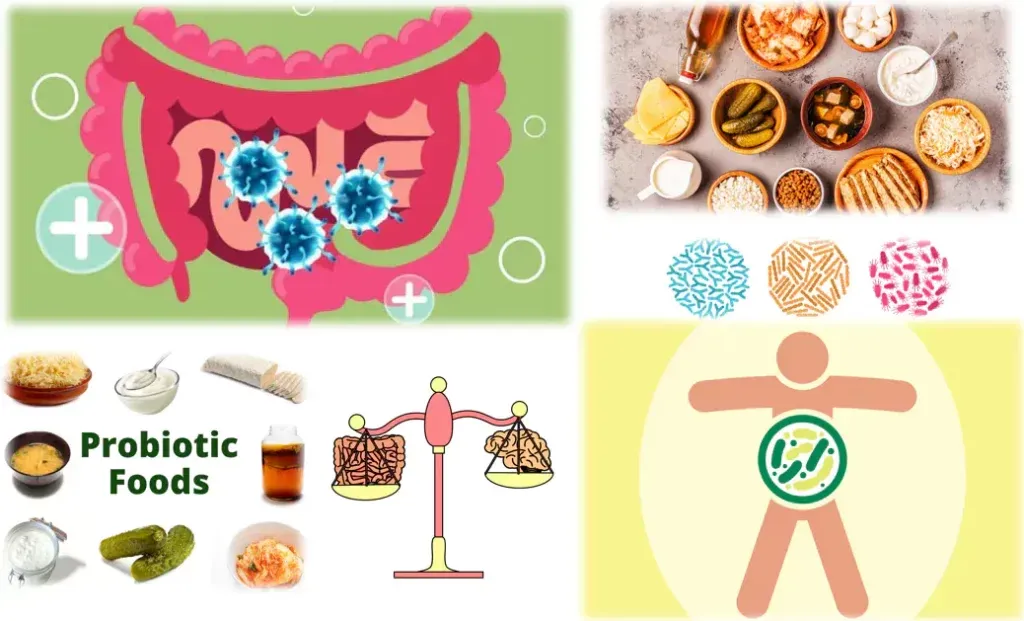
Probiotics are “good bacteria” that help maintain a healthy gut. Whether your child has gas, loose motion, kabz (constipation), or has just finished antibiotics, probiotics can help restore the balance of healthy bacteria in their tummy. The safest way is through natural food sources like dahi (curd) and buttermilk, but supplements are also available for when food sources aren’t enough.
What Are Probiotics and Why Do Children Need Them?
Understanding Probiotics:
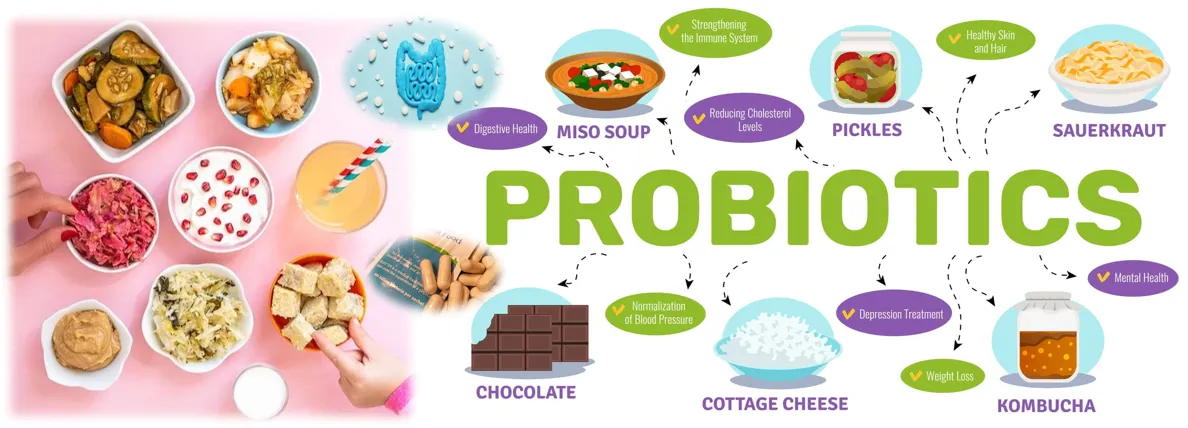
Probiotics are live “friendly” bacteria that naturally live in our digestive system. Think of them as your child’s internal army that:
- Helps digest food properly
- Fights harmful bacteria that cause infections
- Reduces gas and bloating (pet phoolna)
- Helps with loose motion and diarrhea
- Prevents and treats kabz (constipation)
- Supports immunity
When Are Probiotics Most Helpful?
| Situation | How Probiotics Help |
|---|---|
| After antibiotics | Antibiotics kill good bacteria too; probiotics restore balance |
| Loose motion/Diarrhea | Speeds up recovery, prevents dehydration |
| Constipation (Kabz) | Softens stool, regulates bowel movements |
| Gas and bloating | Reduces discomfort and pet dard |
| Frequent infections | Strengthens immune system |
| Starting solids | Helps baby’s gut adjust to new foods |
Probiotics By Age: What’s Safe?
For Babies 0-6 Months:
- Best source: Breast milk is the only thing your baby needs at this age — nothing else (no water, food, curd, or supplements) should be given orally before 6 months unless your pediatrician specifically prescribes it.
- Supplements: Not to be given on your own. A probiotic for an infant under 6 months should only be used if a doctor prescribes it for a specific reason.
- Note: Always consult your pediatrician before giving any probiotic to a newborn or young infant.
For Babies 6-12 Months:
- Natural sources:
- Homemade dahi/curd (start with 1-2 teaspoons)
- Curd rice (dahi chawal)
- Supplements: Drops like Bifilac, Enterogermina (only if recommended by doctor)
For Toddlers 1-3 Years:
- Natural sources:
- Curd/Dahi (1/4 to 1/2 cup daily)
- Buttermilk/Chaas
- Lassi
- Idli/Dosa (fermented)
- Supplements: Can be given if needed
For Children 3+ Years:
- Natural sources:
- All of the above
- Kanji (fermented carrot drink)
- Pickles (traditional fermented)
- Dhokla
- Supplements: Sachets, capsules, or chewables as needed
Best Probiotic Sources for Indian Children
Natural Food Sources (Best Option):
- Dahi/Curd (Homemade is Best)
- Contains Lactobacillus
- Give daily with lunch or dinner
- Add with rice or as raita
- Chaas/Buttermilk
- Light and digestible
- Great for summer
- Add cumin (jeera), mint for taste
- Lassi
- Sweet or salty both work
- Perfect mid-morning snack
- Fresh homemade is best
- Fermented Foods
- Idli, Dosa batter (naturally fermented)
- Dhokla
- Traditional pickles (not commercial)
- Kanji (North Indian fermented drink)
Probiotic Supplements Available in India:
| Product | Form | Age | Notes |
|---|---|---|---|
| Bifilac | Sachets/Drops | On prescription | Common prescription |
| Enterogermina | Vials | On prescription | Sometimes used for diarrhea |
| Vizylac | Sachets | 6m+ | With prebiotics |
| Econorm | Sachets | On prescription | S. boulardii |
| Darolac | Sachets | On prescription | Multiple strains |
Important: Always consult your pediatrician before starting any probiotic supplement, especially for infants. Doses and the right product depend on your child’s age and weight — do not give supplements to a baby under 6 months on your own.
When to Worry (Red Flags)
Contact your pediatrician if you notice:
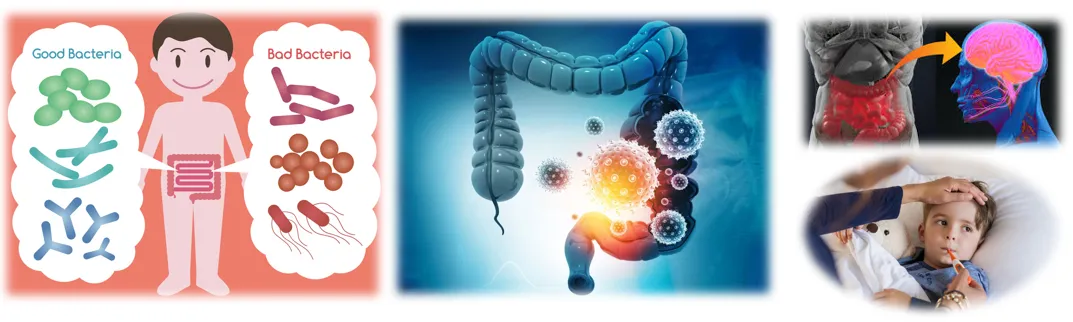
- Severe bloating or pet dard after starting probiotics
- Worsening diarrhea instead of improvement
- Fever along with digestive symptoms
- No improvement in symptoms after 1 week
- Child has a compromised immune system
🚨 Signs of a severe allergic reaction (anaphylaxis) — swelling of the face/lips/tongue, difficulty breathing, widespread rash, or sudden lethargy — are a medical emergency. Call 112 (national emergency) or 108 (ambulance) or go to the nearest hospital immediately. If your child has been prescribed an adrenaline auto-injector, use it first.
Also call your doctor for a milder reaction such as a localized rash or mild itching after starting a probiotic.
What You Can Do at Home
Daily Probiotic Routine:
For Good Gut Health:
-
Include curd in daily diet (lunch or dinner)
-
Offer chaas or lassi in summer
-
Choose traditional fermented breakfast options (idli, dosa)
-
Limit sugary foods that feed bad bacteria
-
Ensure adequate fiber and water intake During/After Antibiotics:
-
Give probiotics 2-3 hours after antibiotic dose
-
Continue for 1-2 weeks after antibiotic course ends
-
Include extra curd in diet
-
Consider probiotic supplement (ask doctor) During Loose Motion:
-
Start probiotics immediately
-
Continue ORS as directed
-
Don’t stop breastfeeding
-
Give light, easy-to-digest foods For Gas/Bloating:
-
Include probiotics daily (curd for children over 6 months)
-
Gentle clockwise tummy massage and bicycle legs can give comfort
-
Hing (asafoetida) and ajwain water are widely used at home but have no proven benefit; discuss with your pediatrician before using them, and avoid them in young infants
Traditional Indian Probiotic Foods:
Dahi, chaas, lassi and curd rice are genuine probiotic-rich foods and are good everyday choices for children over 6 months. The flavourings below (salt, jeera, hing, ajwain) are widely used in Indian homes but have no proven medical benefit for gut health on their own — discuss with your pediatrician before relying on them for any symptom, and never add salt to food for a baby under 1 year.
- Dahi with jeera - A common way to serve curd
- Lassi after meals - A traditional drink
- Chaas with hing and jeera - Widely used for gas; no proven benefit
- Curd rice (Dahi Chawal) - Light and easy to digest
Side Effects of Probiotics
Usually Mild and Temporary:
- Slight increase in gas initially (goes away in few days)
- Minor bloating
- Mild change in stool consistency
Rare But Serious (Seek Doctor):
- Allergic reactions
- Severe abdominal pain
- High fever
- Worsening symptoms
What’s Normal Poop With Probiotics?
When starting probiotics, you might notice:
- Slightly softer stools (normal)
- More regular potty (good sign!)
- Less straining during bowel movement
- May temporarily increase gas (settles in 2-3 days)
Note: Every baby’s poop pattern is different. A breastfed baby may pass stool several times a day or, after the early weeks, go a few days between soft stools — both can be within the normal range. What matters more is that the stool stays soft and your child is feeding, active and gaining weight. Check with your pediatrician if stools become hard, bloody, or the pattern changes suddenly.
FAQs
Q: Can I give dahi to my 6-month-old baby?
A: Yes! You can start small amounts (1-2 teaspoons) of homemade dahi from 6 months. It’s one of the safest first foods and a natural probiotic. Start fresh, not cold from fridge.
Q: Should I give probiotics during loose motion?
A: Yes, probiotics are very helpful during diarrhea. They shorten the duration and severity. Give along with ORS, not instead of ORS. Products like Bifilac, Econorm are commonly prescribed.
Q: My baby has gas and bloating - will probiotics help?
A: Probiotics can help with gas and pet phoolna. Start with natural sources like dahi. Also add hing to food, give ajwain water, and do tummy massage. It may take a few days to see improvement.
Q: Can too many probiotics harm my child?
A: Probiotics from food are very safe and hard to overdose. With supplements, follow the prescribed dosage. Excess may cause temporary gas or loose stool, but serious harm is rare in healthy children.
Q: My baby is on antibiotics - when should I give probiotics?
A: Give probiotics 2-3 hours after the antibiotic dose, not together. Continue probiotics for 1-2 weeks after the antibiotic course ends to restore gut health. Your doctor may recommend a specific probiotic.
Q: Are probiotic supplements better than curd?
A: For daily gut health, natural sources like curd are excellent and often preferred. Supplements are useful in specific situations (antibiotics, illness, severe symptoms). Food-based probiotics also come with nutrients like protein and calcium.
Q: Which probiotic is best for my child’s kabz (constipation)?
A: For constipation, probiotics with Bifidobacterium strains are often helpful. Natural sources: increase curd intake, add fiber-rich foods. Probiotic supplements may be recommended by your doctor along with dietary changes.
This article was reviewed by Babynama Pediatricians. For personalized advice about probiotics for your child, consult with Babynama’s pediatric experts on WhatsApp.
Need personalized guidance? Book a consultation with our pediatricians or explore our Care Plans for 24/7 expert support!
Disclaimer: This article is for general information for parents in India and is not a substitute for professional medical advice. Doses, products and feeding advice depend on your child’s age and weight — always consult your pediatrician before giving any supplement, especially to infants. In an emergency (trouble breathing, severe allergic reaction, persistent vomiting, lethargy, or a fever of 100.4°F / 38°C or higher in a baby under 3 months), call 112 (national emergency) or 108 (ambulance), or go to the nearest hospital right away.
Related Tools
Have a question about your little one?
Join our free community for live Q&A with MD pediatricians — no cost to join.
Join the free community