Last updated: January 2026
Quick Answer
If your child has Celiac disease, the ONLY treatment is a strict gluten-free diet - no wheat roti, bread, biscuits, or maida products. The good news? With proper diet management, most children grow and thrive well and can live a full, healthy life. Most Indian staples like rice, dal, idli, dosa, jowar, bajra, and ragi are naturally gluten-free. Symptoms like pet dard, loose motions, and poor growth usually improve over weeks to months after starting a strict gluten-free diet.
Quick Summary
This guide will teach you everything about managing Celiac disease in your child through a gluten-free diet. From understanding what foods to avoid (wheat roti, bread, biscuits) to discovering delicious Indian alternatives (rice, jowar, bajra, ragi), you’ll learn step-by-step how to keep your child healthy, happy, and symptom-free while enjoying tasty meals.
Understanding Celiac Disease: The Basics
What Happens Inside the Body?
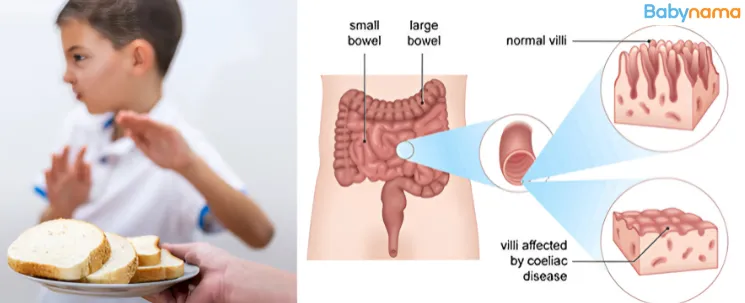
When a child with Celiac disease eats gluten (a protein in wheat, barley, rye):
- The immune system gets triggered
- It attacks the lining of the small intestine
- This damages tiny finger-like projections called villi
- Damaged villi cannot absorb nutrients properly
- Child becomes malnourished even when eating well
Common Symptoms in Indian Children:
- Pet dard (stomach pain) after eating roti or bread
- Loose motion or kabz (constipation)
- Bloated, swollen tummy (pet phoolna)
- Not gaining weight despite eating well
- Short height compared to age
- Fatigue and weakness
- Irritability and mood changes
Step-by-Step Guide to Going Gluten-Free
Step 1: Get Proper Diagnosis First
Before changing diet, confirm diagnosis:
-
Blood test for Celiac antibodies (tTG-IgA)
-
Endoscopy with biopsy (if blood test positive)
-
Must be done WHILE still eating gluten! Why testing matters:
-
Don’t guess - get confirmed diagnosis
-
Other conditions can look similar
-
Once gluten-free, tests won’t work
Step 2: Learn What Contains Gluten
Major Gluten Sources in Indian Kitchens:
| Contains Gluten (AVOID) | Gluten-Free (SAFE) |
|---|---|
| Wheat (gehu), Atta | Rice (chawal) |
| Maida (refined flour) | Jowar |
| Suji/Rava (semolina) | Bajra |
| Dalia (broken wheat) | Ragi/Nachni |
| Barley (jau) | Makka (corn) |
| Soy sauce | Buckwheat (kuttu) |
| Many packaged foods | Besan (gram flour) |
Hidden Gluten Sources:
- Packaged snacks (chips, namkeen)
- Many sauces and ketchups
- Some medicines and syrups
- Communion wafers
- Play-dough (if child puts in mouth)
- Some lipsticks and lip balms
Step 3: Stock Your Kitchen with Safe Foods
Essential Gluten-Free Staples:
- Flours:
- Rice flour (chawal ka atta)
- Jowar flour
- Bajra flour
- Ragi flour
- Besan (gram flour)
- Singhara flour (water chestnut)
- Kuttu flour (buckwheat)
- Grains:
- Rice (all varieties)
- Quinoa
- Amaranth (rajgira)
- Makhana (fox nuts)
- Proteins:
- All fresh dal
- Fresh meat, fish, eggs
- Paneer
- All nuts and seeds
- Dairy:
- Fresh milk
- Homemade curd
- Fresh butter and ghee
Step 4: Create a Safe Cooking Environment
Prevent Cross-Contamination:
- Separate Utensils:
- Dedicated tawa for gluten-free rotis
- Separate wooden spoons
- Different cutting boards
- Separate toaster or toast in a bag
- Storage:
- Keep gluten-free items on higher shelves
- Use separate containers, clearly labeled
- Clean counters before preparing gluten-free food
- Cooking Practices:
- Cook gluten-free food first
- Don’t reuse oil used for wheat products
- Wash hands thoroughly when switching
Step 5: Plan Meals for the Week
Sample Week Menu:
| Day | Breakfast | Lunch | Dinner |
|---|---|---|---|
| Mon | Rice idli with sambar | Rajma chawal | Dal, rice, sabzi |
| Tue | Besan chilla | Kadhi chawal | Jowar roti, paneer |
| Wed | Poha with peanuts | Chole chawal | Rice, dal, vegetable |
| Thu | Ragi dosa | Pulao with raita | Bajra roti, sabzi |
| Fri | Upma (rice rava) | Khichdi | Rice, fish/chicken curry |
| Sat | Aloo paratha (kuttu) | Biryani | Dal tadka, rice |
| Sun | Uttapam | Curd rice | Special meal (GF) |
Tips for Success
At Home:
- Involve your child - Let them help choose gluten-free recipes
- Make it a family affair - Cook gluten-free for everyone when possible
- Focus on what they CAN eat - Not what they can’t
- Celebrate gluten-free wins - Try new recipes, make it fun
- Keep safe snacks ready - Avoid temptation when hungry
At School:
- Talk to teachers - Explain the condition
- Pack lunch daily - Don’t rely on school canteen
- Send birthday treats - Keep safe sweets at school for celebrations
- Role play with child - Practice saying “no thank you” to unsafe foods
- Educate classmates - Brief age-appropriate explanation helps
At Restaurants and Parties:
- Call ahead - Ask about gluten-free options
- Eat at home first - So child isn’t starving and tempted
- Bring safe food - For parties and gatherings
- Choose wisely - Rice dishes, grilled items are safer
- Talk to the chef - Explain cross-contamination concerns
Common Mistakes to Avoid
- Starting diet before diagnosis - Tests won’t work once gluten-free
- Not reading labels - Gluten hides in unexpected places
- Ignoring cross-contamination - Even crumbs can cause damage
- “Just a little won’t hurt” - Yes, it will! Even tiny amounts damage the gut
- Not replacing nutrients - Ensure balanced diet with all nutrients
- Forgetting medicines - Check all syrups and tablets
- Not involving child - They need to understand and participate
- Giving up too soon - It gets easier with practice!
When to Seek Help
Consult your pediatrician or gastroenterologist if:
-
Symptoms don’t improve after 3-4 weeks on strict gluten-free diet
-
Weight loss continues
-
New symptoms develop
-
Child is accidentally eating gluten frequently
-
You’re unsure if a food is safe
-
Child is struggling emotionally with the diet Signs your child may have had gluten exposure:
-
Return of pet dard or loose motion
-
Mood changes, irritability
-
Fatigue
-
Bloating and gas
What to Expect on a Gluten-Free Diet
First Few Weeks:
- Some children feel worse initially (withdrawal-like symptoms)
- Cravings for old favorite foods
- Learning curve for whole family
- This is normal and temporary!
After 1-3 Months:
- Symptoms significantly improve
- Better appetite and mood
- More energy
- Beginning to enjoy new foods
After 6-12 Months:
- Gut healing continues
- Catch-up growth begins
- Diet becomes second nature
- Full healing takes 1-2 years
Expert Insight: On a strict gluten-free diet, the gut lining gradually heals and nutrient absorption recovers, so most children catch up on growth over time. Keep regular follow-ups with your pediatrician to track height, weight, and any nutrient deficiencies.
FAQs
Q: My child says they feel fine after eating roti - can they have it occasionally?
A: No. Even if your child doesn’t feel symptoms immediately, gluten is still damaging their intestines. “Silent” damage can lead to long-term problems like growth issues, osteoporosis, and other complications.
Q: Are oats gluten-free? Can my child have oats?
A: Pure oats are technically gluten-free, but most commercial oats are contaminated with wheat during processing. Look for certified gluten-free oats if you want to try them, and introduce slowly as some Celiac patients react to oats.
Q: What should I do if my child accidentally eats gluten at a birthday party?
A: Stay calm. Symptoms may appear within hours or a day later. Offer plenty of water, rest, and give comfort. The damage happens inside but will heal once back on gluten-free diet. Use it as a learning experience, not punishment.
Q: Gluten-free products are so expensive. How can we manage?
A: Focus on naturally gluten-free Indian foods - rice, dal, vegetables, fruits, jowar, bajra, ragi. These are affordable and nutritious. You don’t need expensive specialty products for every meal.
Q: Will my child have to eat gluten-free forever?
A: Yes, Celiac disease is lifelong. There is no cure, but a strict gluten-free diet is a highly effective treatment. Children adapt well and most go on to grow and thrive with full, healthy lives.
Q: Can my child take prasad at temples or eat at relatives’ houses?
A: This is a challenge many Indian families face. Explain the medical condition to relatives. Carry your own safe food. Some temples have started offering gluten-free prasad options. Make it about health, not choice.
This article was reviewed by Babynama Pediatricians. For personalized advice about managing Celiac disease in your child, consult with Babynama’s pediatric experts on WhatsApp.
General information for Indian parents, not a substitute for your pediatrician. In an emergency, call 112 or 108.
Need personalized guidance? Book a consultation with our pediatricians or explore our Care Plans for 24/7 expert support!
Have a question about your little one?
Join our free community for live Q&A with MD pediatricians — no cost to join.
Join the free community