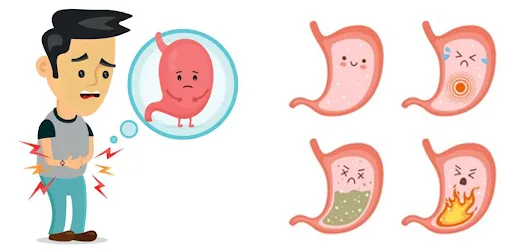
Quick Answer: Gastritis is inflammation of the stomach lining that can cause stomach pain, nausea, and vomiting in children. Common causes include H. pylori infection, medications (like NSAIDs), and stress. Most cases improve with dietary changes and medications. See a doctor if your child has persistent stomach pain, blood in vomit or stool, or unexplained weight loss.
What Is Gastritis?
Gastritis means inflammation of the stomach’s inner lining. When the protective lining is irritated or damaged, stomach acid causes pain and discomfort.
Types of Gastritis
| Type | Description |
|---|---|
| Acute gastritis | Sudden onset, usually short-term |
| Chronic gastritis | Long-lasting, develops gradually |
| Erosive gastritis | Causes breaks in stomach lining |
Causes of Gastritis in Children
Most Common Causes
| Cause | How It Happens |
|---|---|
| H. pylori infection | Bacteria that damages stomach lining |
| NSAID use | Ibuprofen, aspirin irritate stomach |
| Viral infections | Stomach flu can cause temporary gastritis |
| Stress | Physical stress from illness, injury |
| Food sensitivities | Reaction to certain foods |
Less Common Causes
- Autoimmune conditions
- Bile reflux
- Corrosive substance ingestion
- Crohn’s disease affecting stomach
- Radiation therapy
Risk Factors
- Family history of stomach problems
- Frequent use of pain medications
- Spicy food consumption
- Irregular eating habits
- High stress levels
Symptoms to Watch For
Common Symptoms
| Symptom | Description |
|---|---|
| Stomach pain | Upper abdomen, may be burning |
| Nausea | Feeling sick, may or may not vomit |
| Vomiting | May be frequent |
| Bloating | Full, uncomfortable feeling |
| Loss of appetite | Not wanting to eat |
| Early fullness | Feeling full after small amounts |
In Younger Children
May be harder to identify:
- Fussiness, especially after eating
- Refusing food
- Pointing to or holding tummy
- Changes in sleep due to discomfort
Warning Signs (See Doctor Immediately)
- Blood in vomit (red or coffee-ground appearance)
- Black or bloody stools
- Severe abdominal pain
- Rapid weight loss
- Persistent vomiting
- Signs of dehydration
Diagnosis
What to Expect at the Doctor
- Medical history - Symptoms, duration, medications
- Physical exam - Pressing on abdomen, checking for tenderness
- Review of diet and habits
Tests That May Be Ordered
| Test | Purpose |
|---|---|
| H. pylori test | Breath test, stool test, or blood test |
| Blood tests | Check for anemia, infection |
| Stool test | Check for blood, infections |
| Upper endoscopy | Look directly at stomach lining (if needed) |
| Ultrasound | Rule out other causes |
Treatment
Dietary Changes (First Line)
Foods to Avoid:
| Category | Examples |
|---|---|
| Spicy foods | Chili, pepper, hot sauce |
| Acidic foods | Citrus, tomatoes, vinegar |
| Fried foods | Deep-fried items, fast food |
| Caffeine | Cola, coffee, chocolate |
| Carbonated drinks | Soda, sparkling water |
Foods That Help:
| Category | Examples |
|---|---|
| Low-acid fruits | Banana, melon, apple |
| Soft Indian meals | Khichdi, curd-rice (dahi-chawal), moong dal, suji/upma |
| Vegetables | Carrots, beans, bottle gourd (lauki), cooked |
| Lean proteins | Chicken, fish, eggs, dal |
| Whole grains | Rice, ragi, oatmeal, whole wheat roti |
| Dairy | Curd/yogurt, low-fat milk (if tolerated) |
Eating Habits
- Small, frequent meals (5-6 per day)
- Don’t skip meals
- Eat slowly, chew well
- Don’t lie down immediately after eating
- Avoid eating late at night
Medications (When Prescribed)
| Type | Purpose | Examples |
|---|---|---|
| Antacids | Neutralize acid | Digene, Gelusil |
| H2 blockers | Reduce acid production | Famotidine |
| PPIs | Block acid production | Omeprazole, Pantoprazole |
| Antibiotics | If H. pylori positive | Triple therapy |
| Protective agents | Coat stomach lining | Sucralfate |
Important: Never give antacids or acid-reducers to children without doctor’s guidance.
If H. pylori Is the Cause
Treatment involves:
- Two antibiotics + one acid reducer
- Taken for 10-14 days
- Follow-up testing to confirm eradication
Home Care Tips
Comfort Measures
- Warm compress on tummy (not hot)
- Rest after meals
- Loose, comfortable clothing
- Stress reduction activities
What to Watch
- Keep a food diary to identify triggers
- Monitor symptoms - getting better or worse?
- Note any new symptoms
- Track medication use
Avoiding Triggers
| Trigger | Solution |
|---|---|
| Spicy foods | Use mild seasonings |
| Skipping meals | Regular small meals |
| Overeating | Smaller portions |
| Eating fast | Slow down, chew well |
| Stress | Relaxation techniques |
Prevention
Good Habits
- Regular meal times
- Balanced, non-irritating diet
- Adequate hydration
- Stress management
- Hand hygiene (prevents H. pylori)
Medication Precautions
- Avoid unnecessary NSAIDs
- Take medications with food when recommended
- Don’t exceed recommended doses
- Tell doctor about all medications
When to Seek Medical Help
See Doctor If:
- Stomach pain lasting more than a few days
- Symptoms not improving with dietary changes
- Frequent vomiting
- Poor appetite affecting nutrition
- Weight loss
Emergency Care If:
- Vomiting blood
- Black or bloody stools
- Severe abdominal pain
- Signs of dehydration (sunken eyes, no urine for many hours, very dry mouth, no tears, lethargy)
- Fainting or extreme weakness
If your child is vomiting and at risk of dehydration, offer small, frequent sips of WHO-ORS (Electral) to replace fluids. For the warning signs above: 🚨 Call 112 (national emergency) or 108 (ambulance), or go to your nearest hospital.
Frequently Asked Questions
Q: Can stress really cause stomach problems in children?
A: Yes! Stress can increase acid production and affect the stomach lining. While gastritis from pure stress is less common in children than adults, emotional stress can worsen existing gastritis.
Q: How long does it take for gastritis to heal?
A: Acute gastritis may resolve in days to weeks with proper treatment. Chronic gastritis may take longer - months of management. H. pylori gastritis improves after successful antibiotic treatment.
Q: Can my child eat normally with gastritis?
A: Some modifications are needed during active symptoms. Once healed, most children can return to a regular diet while avoiding known triggers. Some children remain sensitive to certain foods.
Q: Is gastritis in children serious?
A: Most cases are mild and treatable. However, untreated gastritis can lead to ulcers or bleeding, which is why persistent symptoms should be evaluated.
Q: My child often complains of stomach ache. Is it always gastritis?
A: Not necessarily. Stomach aches in children have many causes - constipation, stress, food intolerance, infections. Gastritis is one possibility. A doctor can help determine the cause.
Key Takeaways
- Common causes: H. pylori, NSAIDs, infections, stress
- Key symptoms: Stomach pain, nausea, vomiting, poor appetite
- Treatment: Diet changes first, medications when needed
- Diet: Avoid spicy, acidic, fried; eat small frequent meals
- Warning signs: Blood in vomit/stool, severe pain, weight loss
- Prevention: Regular meals, stress management, careful medication use
This article was reviewed by Babynama Pediatricians. Last updated: January 2026
General information for Indian parents, not a substitute for your pediatrician. In an emergency, call 112 or 108.
Need personalized guidance? Book a consultation with our pediatricians or explore our Care Plans for 24/7 expert support!
Have a question about your little one?
Join our free community for live Q&A with MD pediatricians — no cost to join.
Join the free community