Quick Answer
Yes, children with sickle cell disease (SCD) can live healthy, active lives with proper care and management. While SCD is a lifelong genetic condition that affects red blood cells, modern treatment and preventive care have dramatically improved outcomes. Many children with SCD go to regular schools, play sports, and grow up to be successful adults.
Why This Happens (Kya Hota Hai SCD Mein)
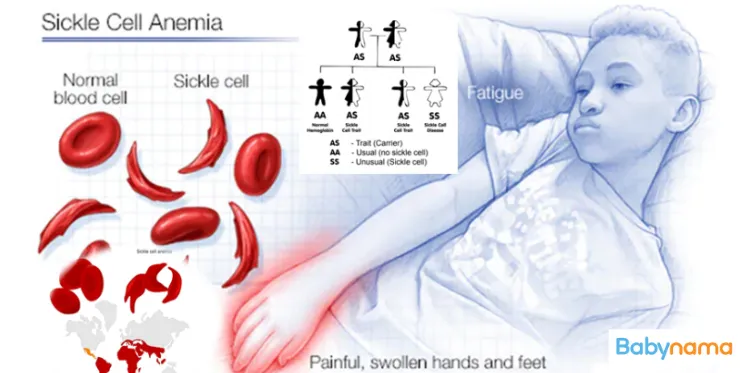
Sickle cell disease is an inherited blood disorder - it’s passed from parents to children through genes.
Normal red blood cells: Round, flexible, move easily through blood vessels
Sickle cells: Crescent-shaped (like a “hansiya” or sickle), stiff, get stuck in blood vessels
When sickle cells get stuck:
-
Blood flow is blocked
-
Oxygen can’t reach parts of body
-
This causes pain episodes (crisis)
-
Can damage organs over time How a child gets SCD:
-
Both parents must carry the sickle cell gene
-
If both parents are carriers, each pregnancy has 25% chance of SCD
-
Carriers (sickle cell trait) usually have no symptoms themselves Common in India in:
-
Tribal populations of Madhya Pradesh, Chhattisgarh, Odisha, Maharashtra, Gujarat
-
Certain communities in South India
-
Estimated 20 lakh+ people affected in India
Age-Wise What to Expect
| Age | What Happens | What Parents Should Know |
|---|---|---|
| 0-6 months | Usually no symptoms (fetal hemoglobin protects) | Get newborn screening done. Start preventive care early |
| 6 months - 3 years | Symptoms may start appearing. Pain in hands/feet (dactylitis). Risk of severe infections | Penicillin prophylaxis crucial. All vaccines on time |
| 3-10 years | Pain crises may increase. Possible delayed growth. School attendance may be affected | Work with school. Plan for pain management at home |
| Teenagers | May have more frequent crises. Puberty may be delayed. Emotional challenges | Support mental health. Encourage independence in self-care |
When to Worry (Red Flags) - Emergency Situations
🚨 Call 112 (national emergency) or 108 (ambulance) or go to the nearest hospital IMMEDIATELY if your child has:
- Fever above 101°F (38.3°C) - Serious infections are a major risk in SCD
- Severe chest pain with breathing difficulty - Could be Acute Chest Syndrome (serious!)
- Sudden weakness on one side of body - Possible stroke
- Severe abdominal pain with swelling - Could be splenic sequestration
- Sudden severe headache - Needs immediate evaluation
- Penis erection that won’t go down (priapism) - In boys, needs urgent care
- Sudden paleness with extreme tiredness - Could be severe anemia
- Pain that doesn’t improve with home treatment
Important: Children with SCD have reduced immunity. Even a “simple” fever can become serious quickly. Don’t wait - seek care early. In a young infant under 3 months, ANY fever of 100.4°F (38°C) or higher is a same-day emergency.
What You Can Do (Daily Management)
Preventing Pain Crises (Dard Se Bachav)
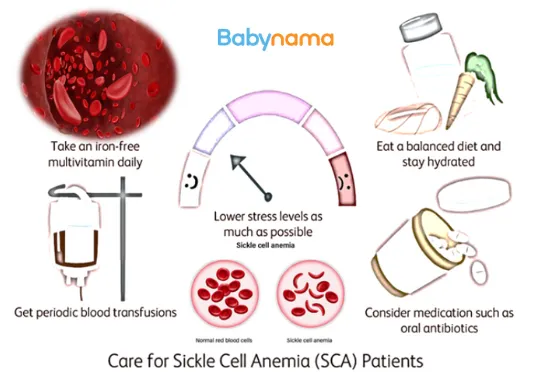
1. Stay Hydrated (Paani Pilaate Rahein)
-
8-10 glasses of water daily (more in summer)
-
Always carry water bottle
-
Coconut water, nimbu paani, chaas are good
-
Watch urine color - should be light yellow 2. Avoid Triggers
-
Extreme cold (AC blast, cold water swimming)
-
Extreme heat and dehydration
-
High altitude travel (mountain trips)
-
Exhaustion and over-exertion
-
Stress 3. Dress Appropriately
-
Layer clothing in AC environments
-
Cover child during winter
-
Don’t let them get too cold or too hot 4. Good Sleep (Achhi Neend)
-
Regular sleep schedule is important
-
10-12 hours for young children
-
Proper rest helps prevent crises
-
If raat ko jagta hai frequently, consult doctor
Managing Pain at Home
Mild Pain Crisis:
-
Give pain medicine (paracetamol/ibuprofen as prescribed)
-
Warm compress on painful area (never ice!)
-
Massage gently
-
Keep child warm and hydrated
-
Distraction - TV, games, stories
-
Rest, but gentle movement is okay When Home Care Isn’t Enough:
-
Pain score above 5/10
-
Fever develops
-
Pain not improving in 1-2 hours
-
Child seems very unwell
Nutrition for SCD Children (Khaan-Paan)
Important Foods:
-
Iron-rich foods - leafy greens, jaggery, dates (but doctor will guide - some children don’t need extra iron)
-
Folic acid foods - dal, green vegetables, citrus fruits
-
Protein - dal, paneer, eggs, chicken if non-vegetarian
-
Zinc - nuts, seeds, whole grains Daily Supplements (as prescribed):
-
Folic acid - usually daily
-
Vitamin D
-
Multivitamins if advised Avoid:
-
Alcohol (for teenagers)
-
Smoking/second-hand smoke
-
Very cold foods/drinks
Preventing Infections
Medicines:
-
Penicillin prophylaxis - Usually from 2 months to at least 5 years (or longer). DON’T miss doses!
-
This prevents life-threatening infections Vaccinations - Extra Important:
-
All routine vaccines on schedule
-
Pneumococcal vaccines (extra doses)
-
Meningococcal vaccine
-
Annual flu vaccine
-
Typhoid vaccine Daily Hygiene:
-
Good handwashing
-
Dental hygiene (infections can start in mouth)
-
Avoid sick people when possible
School and Daily Life
For School:
-
Inform teachers about SCD
-
Ensure access to water and bathroom
-
Avoid extreme physical activities in heat
-
Have pain management plan
-
May need extra time for tests during crises Physical Activity:
-
Encourage moderate activity
-
Swimming in warm pools is good
-
Avoid exhaustion
-
Know your child’s limits
-
Stay hydrated during play
Treatments Available in India
Regular Care:
-
Hydroxyurea - reduces frequency of crises, widely available in India
-
Blood transfusions when needed
-
Pain management
-
Infection prevention Advanced Treatment:
-
Bone marrow transplant - can be curative, but needs matched donor
-
Available at major centers in India (AIIMS, CMC Vellore, Tata Memorial, etc.)
-
Not suitable for all patients
Frequently Asked Questions
Q: Mera bachcha SCD carrier hai (sickle cell trait). Kya woh bhi beemar hoga?
A: Carriers (trait) usually have NO symptoms and live healthy, active lives. They can do most activities including sports. Very rarely, extreme conditions like severe dehydration or very high altitude can cause problems. The main thing is - if both parents are carriers, each pregnancy has 25% chance of child having SCD. Get genetic counseling if planning more children.
Q: SCD se bacche ki neend kharab hoti hai kya?
A: Yes, sleep can be affected. Pain crises often worsen at night. Some children have sleep apnea (breathing problems during sleep). Adenoid/tonsil enlargement is also common in SCD. If your child snores heavily, has restless neend, or raat ko jagta hai frequently with breathing issues, discuss with your doctor.
Q: Kya mera bachcha sports khel sakta hai?
A: Yes! Moderate physical activity is encouraged and good for SCD children. Avoid exhausting activities in extreme heat, stay well-hydrated, and know when to rest. Swimming (in warm water), cycling, light running are usually fine. Discuss specific sports with your doctor.
Q: Dard ki dawai kitni baar de sakte hain?
A: Follow your doctor’s prescription. Paracetamol is dosed by weight - usually 15 mg/kg per dose, given every 4-6 hours, without exceeding 60 mg/kg in a day. Ibuprofen is usually every 6-8 hours as prescribed. Don’t exceed recommended doses. If pain isn’t controlled with home medicines, go to hospital - they have stronger options. Never give aspirin to children with SCD.
Q: Kya SCD cure ho sakta hai?
A: Currently, bone marrow transplant is the only cure, but it’s not suitable for everyone and has risks. Hydroxyurea is very effective at reducing crises and improving quality of life. Gene therapy is being researched and may be available in future. Focus on good management - many people with SCD live into their 50s-60s and beyond with proper care.
Q: Har baar bukhar aane par hospital jaana zaroori hai?
A: YES! This is very important. In SCD, even a simple-looking fever can quickly become life-threatening due to reduced immunity. Fever above 101°F (38.3°C) needs immediate medical evaluation. Don’t wait to “see if it goes down.” This is one of the most important things to remember.
This article was reviewed by Babynama Pediatricians. Last updated: June 2026.
This guide is for general information for parents in India and follows IAP-aligned guidance. It does not replace a consultation with your child’s treating pediatrician or hematologist. Sickle cell care, medicines, and doses must be individualised by your doctor.
Managing SCD can feel overwhelming, but you’re not alone. Babynama’s pediatricians are available on WhatsApp to answer your questions, help manage crises, and guide you through your child’s care journey.
Need personalized guidance? Book a consultation with our pediatricians or explore our Care Plans for 24/7 expert support!
Related Tools
Continue with this topic
A useful next step
Browse child-development articlesExplore milestones, movement, speech, behaviour and learning across childhood.Have a question about your little one?
Join our free community for live Q&A with MD pediatricians — no cost to join.
Join the free community