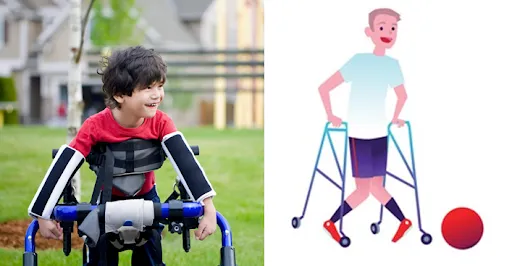
Quick Answer: What Causes Cerebral Palsy and How Can I Reduce Risk?
Cerebral Palsy (CP) is caused by abnormal brain development or damage during pregnancy, birth, or early infancy. While not all causes are preventable, proper prenatal care, safe delivery practices, and early management of conditions like jaundice can reduce risk significantly.
Reassurance for parents: If your child has been diagnosed with CP, know that early therapy and intervention can dramatically improve outcomes. Focus on what you can do now, not what caused it.
Understanding Cerebral Palsy
Cerebral Palsy is NOT a disease - it’s a condition resulting from brain damage that affects movement and muscle control. The brain damage itself doesn’t get worse, but physical complications can develop without proper management.
Types of CP
| Type | Percentage | Main Feature |
|---|---|---|
| Spastic | 80% | Stiff, tight muscles |
| Dyskinetic | 10-15% | Uncontrolled movements |
| Ataxic | 5-10% | Balance problems |
| Mixed | Varies | Combination |
Risk Factors and Causes
During Pregnancy (Most Cases)
| Risk Factor | How It Affects Brain |
|---|---|
| Infections (TORCH: Toxoplasmosis, Rubella, CMV, Herpes) | Direct damage to developing brain |
| Fever during pregnancy | Can affect fetal brain development |
| Premature birth (<37 weeks) | Brain not fully developed |
| Low birth weight (<2.5 kg) | Associated with prematurity |
| Multiple pregnancy (twins, triplets) | Higher risk of prematurity |
| Rh incompatibility | Can cause brain damage from jaundice |
| Infections of placenta/uterus | Inflammation affects fetus |
| Thyroid problems | Affects brain development |
During Birth
| Risk Factor | Mechanism |
|---|---|
| Birth asphyxia | Lack of oxygen damages brain |
| Difficult/prolonged labor | Can cause oxygen deprivation |
| Umbilical cord problems | Interrupts oxygen supply |
| Placental abruption | Sudden oxygen loss |
After Birth (First Few Years)
| Risk Factor | Prevention |
|---|---|
| Severe jaundice (peela/piliya) | Early treatment with phototherapy |
| Meningitis/encephalitis | Vaccinations, early treatment |
| Head injury | Child safety measures |
| High fever with seizures | Manage fever promptly |
Prevention Strategies
Before and During Pregnancy
- Regular prenatal care - All scheduled visits and tests
- Vaccinations - Rubella vaccine before pregnancy
- Avoid infections - Good hygiene, avoid certain foods
- No smoking or alcohol - Both increase CP risk
- Folic acid - 400-800 mcg daily before and during pregnancy
- Manage health conditions - Thyroid, diabetes, BP control
- Rh testing - Get Rh immunoglobulin if needed
During Labor and Delivery
- Choose experienced healthcare provider
- Hospital delivery for high-risk pregnancies
- Fetal monitoring during labor
- Prompt C-section if fetal distress
After Birth
- Monitor jaundice - Check bilirubin if baby looks yellow
- Vaccinations on time - Prevents meningitis
- Car seats and safety - Prevent head injuries
- Manage fever - Prevents febrile seizures
Managing Fever in At-Risk Babies
Fever management is especially important in premature babies and those at risk for complications:
Paracetamol (Calpol) Dosage
| Baby’s Weight | Calpol Drops (100mg/ml) | Calpol Syrup (120mg/5ml) |
|---|---|---|
| 5-6 kg | 0.5-0.6 ml | 2.5 ml |
| 6-8 kg | 0.6-0.8 ml | 3-4 ml |
| 8-10 kg | 0.8-1 ml | 4-5 ml |
Correct dose is by weight: 10–10–15 mg/kg per dose (the table below uses the lower, conservative end), every 4-6 hours as needed. Do not exceed 60 mg/kg in 24 hours (and no more than 4 doses). Always check your syrup/drops strength on the label before measuring, as it varies between products.
Do not give paracetamol to a baby under 3 months without a doctor’s advice. In a baby under 3 months, fever is an emergency on its own (see below) — do not medicate and wait.
When Fever is an Emergency
Seek immediate care if:
- Baby under 3 months with ANY fever (100.4°F / 38°C or higher) — this is a same-day emergency; go in to be seen, do not give medicine and wait at home
- Premature baby with fever
- Fever with seizures/fits
- Fever above 104°F (40°C)
- Baby is limp or unresponsive
- Difficulty breathing
🚨 If your baby is limp/unresponsive, struggling to breathe, blue around the lips, or having a fit that won’t stop — call 112 (national emergency) or 108 (ambulance), or go to the nearest hospital immediately.
Early Signs to Watch For
Milestones happen over a range of ages, not on a fixed day, so don’t panic over a few weeks’ delay. But the signs below are red flags — if your baby has not reached the expected milestone by the ages given (for example, not sitting with support by around 9 months, or not rolling by around 6-7 months), see your pediatrician for a developmental check. If your baby had risk factors, watch for these warning signs:
By 3-4 Months
- Not tracking objects with eyes
- Not responding to sounds
- Very stiff or very floppy body
- Difficulty feeding
By 6 Months
- Not rolling over
- Cannot bring hands to mouth
- Fisted hands constantly
- Crossed legs when held
By 9-12 Months
- Not sitting independently
- Not babbling
- Only uses one side of body
- Not putting weight on legs
What to Do If You Notice Signs
- Don’t delay - Discuss concerns with pediatrician
- Get evaluation - Developmental screening, brain MRI if needed
- Start early intervention - Physiotherapy, occupational therapy
- Join support groups - Connect with other families
Treatment Options for CP
| Treatment | Purpose | When to Start |
|---|---|---|
| Physiotherapy | Movement, strength, mobility | As soon as diagnosed |
| Occupational Therapy | Daily living skills | As soon as diagnosed |
| Speech Therapy | Communication, feeding | When needed |
| Medications | Muscle relaxation, seizure control | As prescribed |
| Botox injections | Reduce specific muscle stiffness | Usually 2+ years |
| Surgery | Correct deformities, reduce spasticity | When indicated |
Expert Insight: Early intervention matters most. Even when the cause of CP cannot be changed, starting physiotherapy and developmental support early gives your child the best possible outcome — so act on concerns rather than waiting.
FAQs
Q: I had fever during pregnancy. Will my baby have CP?
A: Having fever during pregnancy doesn’t mean your baby will have CP. It’s one of many risk factors. The risk increases with very high fever, certain infections (like chorioamnionitis), or fever at specific pregnancy stages. Most babies born to mothers who had fever during pregnancy go on to develop typically.
Q: My baby was premature. How do I reduce CP risk?
A: Premature babies need extra care: proper NICU management, monitoring for jaundice, preventing infections, and developmental follow-up. Most premature babies do NOT develop CP, but close monitoring helps catch any issues early when intervention is most effective.
Q: Can severe jaundice cause CP?
A: YES - untreated severe jaundice (very high bilirubin) can cause a type of brain damage called kernicterus, which can lead to CP. This is why jaundice monitoring and phototherapy treatment are so important. In India, ask your doctor to check bilirubin if your newborn looks yellow.
Q: My premature baby has fever. How much Calpol should I give?
A: Dose by weight, not age — but do not dose under-3-month or premature babies at home. Fever in a premature or under-3-month baby always needs same-day doctor evaluation; the doctor will advise the exact dose. Don’t just give Calpol and wait.
Q: Is CP preventable?
A: Not all CP is preventable, but risk can be reduced through: good prenatal care, avoiding infections during pregnancy, safe delivery practices, prompt treatment of newborn jaundice, and preventing head injuries. Some cases occur despite best care.
Q: At what age is CP usually diagnosed?
A: CP is often suspected between 6-18 months when motor delays become apparent, but formal diagnosis may take until 2 years. Earlier diagnosis (even 3-6 months) is now possible with advanced MRI and clinical assessment. Early diagnosis = earlier therapy = better outcomes.
This article was reviewed by Babynama Pediatricians. Last updated: January 2025
General information for Indian parents, not a substitute for your pediatrician. In an emergency, call 112 or 108.
Need personalized guidance? Book a consultation with our pediatricians or explore our Care Plans for 24/7 expert support!
Related Tools
Continue with this topic
A useful next step
Browse child-development articlesExplore milestones, movement, speech, behaviour and learning across childhood.Have a question about your little one?
Join our free community for live Q&A with MD pediatricians — no cost to join.
Join the free community