Quick Answer
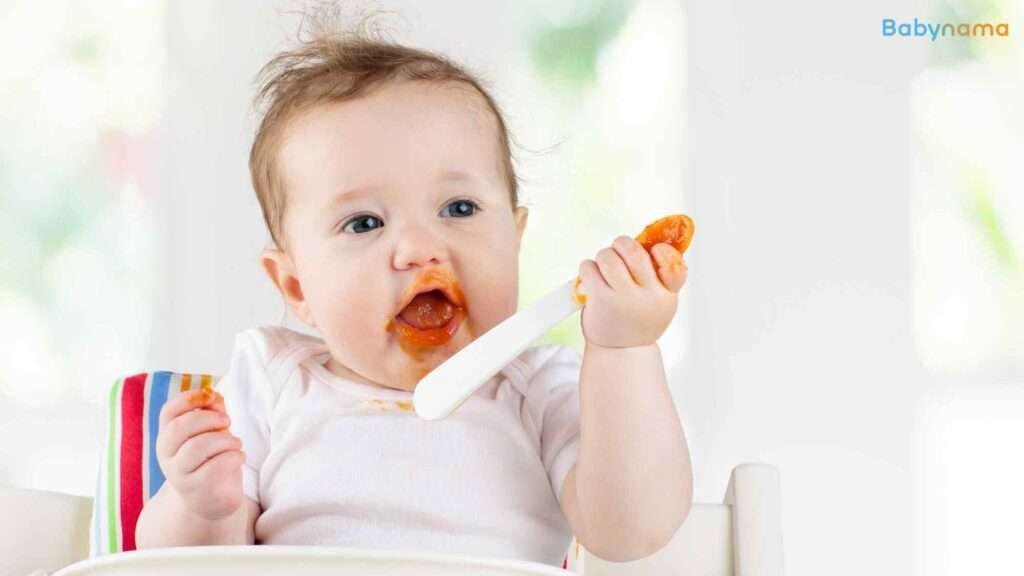
Most babies can start pumpkin (kaddu) at around 6 months of age, once they are ready for solid foods. Pumpkin is one of the best gentle first foods you can offer: it is naturally sweet, very soft when cooked, easy to mash or puree, and rich in vitamin A. Steam, boil or roast it until very soft, remove the seeds and skin, and blend it into a smooth puree to begin with. As your baby grows, you can move to soft mashed lumps and small soft pieces.
Why Pumpkin Is a Great First Food
Pumpkin earns its place among the most recommended starter vegetables for Indian babies for a few simple reasons:
- Rich in vitamin A (beta-carotene) - the orange colour comes from beta-carotene, which your baby’s body converts to vitamin A. This supports healthy eyes, skin and immunity.
- Naturally sweet and mild - babies tend to accept its gentle, slightly sweet taste easily, which makes those first spoonfuls smoother.
- Soft and easy to digest - once cooked, kaddu mashes into a silky puree with almost no effort and is gentle on a young tummy.
- Provides fibre - it adds a little dietary fibre, which supports comfortable digestion.
- Low allergy risk - pumpkin is not a common allergen, so it is a reassuring food to begin solids with.
Together these qualities make pumpkin an easy, low-stress introduction to the world of solids.
How to Prepare and Serve Pumpkin by Age
The same vegetable changes form as your baby develops chewing skills. Always cook kaddu until it is very soft before serving.
Around 6 months: smooth puree
- Wash the pumpkin, peel off the hard skin and scoop out all the seeds and stringy bits.
- Cut into small cubes and steam or boil until very soft (a fork should pass through easily).
- Blend or mash into a smooth, lump-free puree. Add a little cooled boiled water, breastmilk or formula to thin it to a runny consistency.
- Offer a few spoonfuls of single-ingredient puree at first so you can watch how your baby responds.
7-9 months: thicker mash and soft lumps
- Reduce the liquid so the puree is thicker.
- Once your baby is comfortable, leave a few soft, well-cooked lumps to encourage chewing.
9-12 months: soft finger pieces
- Offer soft-cooked pumpkin cut into finger-length strips your baby can pick up and gum.
- Pieces should squash easily between your fingers. Always stay within arm’s reach during meals.
Do not add salt or sugar to your baby’s pumpkin. Their kidneys are still developing, and added sugar is not needed - kaddu is sweet on its own.
How Much and How Often
In the early weeks of solids, food is about learning, not filling up - breastmilk or formula still provides most of your baby’s nutrition until about 12 months.
- Start with 1-2 teaspoons once a day and increase gradually as your baby shows interest.
- By 7-9 months, many babies enjoy a few tablespoons across one or two meals a day.
- Let your baby’s appetite guide you. Stop when they turn away, close their mouth or lose interest - never force the last spoon.
When introducing pumpkin for the first time, offer it on its own for 2-3 days before mixing it with new foods, so any reaction is easy to spot.
Simple Pumpkin Combinations
Once your baby has tried pumpkin on its own, you can build it into balanced meals:
- Pumpkin + dal + rice - mash soft-cooked kaddu into plain moong dal khichdi for a complete, easy-to-digest meal with protein and energy.
- Pumpkin + apple - steam pumpkin and apple together and blend for a naturally sweet, fruity puree.
- Pumpkin + ghee - a small drop of ghee stirred into the puree adds healthy fat and flavour.
- Pumpkin + moong dal soup - blend cooked pumpkin into a thin dal soup for a comforting, sippable option.
Pairing kaddu with dal or rice rounds out the meal and keeps your baby’s plate varied.
Indian Context
In Indian kitchens, pumpkin is a year-round familiar - kaddu in the north, with regional names across the country, and the green-skinned sitaphal pumpkin widely used in homes. It is affordable, easily available in most seasons, and already a part of many household sabzis, which makes it simple to cook a little extra for your baby before adding masala for the rest of the family.
When cooking kaddu for your baby, set aside their portion before you add salt, chilli or strong spices. A pinch of mild jeera or a drop of ghee is plenty of flavour at this stage.
When to Ask Your Doctor
Speak to your paediatrician before starting pumpkin, or any solids, if:
- Your baby is younger than 6 months or not yet showing signs of readiness (good head control, sitting with support, interest in food).
- Your baby was premature or has any medical or feeding concerns.
- There is a strong family history of food allergies or eczema.
- You notice signs of a reaction after pumpkin - rash, swelling, vomiting, loose stools or any breathing difficulty. Seek medical help immediately for breathing trouble or swelling.
A quick check with your doctor helps you start solids with confidence.
Frequently Asked Questions
Q: Can a 6 month old eat pumpkin?
A: Yes. Around 6 months is a common and suitable time to introduce pumpkin, provided your baby shows signs of readiness for solids. Start with a smooth, single-ingredient puree and a few teaspoons a day.
Q: Is pumpkin easy to digest for babies?
A: Pumpkin is generally one of the gentler first foods. It is soft, mild and provides fibre that supports digestion. Cook it until very soft and serve it smooth at first so it is easy on your baby’s tummy.
Q: Does pumpkin cause allergy in babies?
A: Pumpkin is not a common allergen and is considered low-risk. Still, introduce it on its own for 2-3 days and watch for any rash, swelling or tummy upset, as any new food can occasionally cause a reaction.
Q: Can I give pumpkin to my baby daily?
A: You can offer pumpkin a few times a week, but variety matters. Rotate it with other vegetables, dals and fruits so your baby gets a range of nutrients and gets used to different tastes and textures.
Q: Should I add salt or sugar to baby’s pumpkin?
A: No. Avoid added salt and sugar for babies under one year. Kaddu is naturally sweet, and added salt is hard on developing kidneys. A drop of ghee or a pinch of mild jeera is all you need.
Starting solids is a journey full of small wins and the occasional messy face. For more gentle, paediatric-guidance-based tips and support from other parents, join here.
This article is for general information and is not a substitute for personalised medical advice. Always consult your paediatrician about your own baby.
Continue with this topic