Quick Answer
Babies can have chia seeds in small amounts from around 6 months, once they have started solids. But the single most important rule is this: chia seeds must always be soaked or hydrated into a soft gel, or mixed into a wet food (like porridge, puree, dahi, or mashed fruit) before you give them to your baby. Never give dry chia seeds or a dry spoonful - dry chia swells up a lot when it meets liquid and can be a choking and throat-irritation risk.
Chia is also high in fibre, so start with just a tiny quantity (a quarter to half teaspoon, soaked) and make sure baby is getting enough breastmilk or fluids. The upside: chia offers omega-3 (ALA), fibre, calcium and a little protein and iron.
What Age Can Babies Have Chia Seeds?
Most babies are ready for solids at around 6 months, when they can sit with support, hold their head steady and show interest in food. Chia seeds, in small soaked amounts, can be part of those early solids from this age.
There is no need to rush. Chia is a nice extra, not an essential first food. Once your baby is comfortably eating simple purees and porridges, you can stir in a small amount of soaked chia. As always with new foods, offer it on its own first and watch for about 3 days before adding the next new food, so you can spot any reaction.
The Golden Rule - Always Soak, Never Dry
This is the part every parent must remember. Dry chia seeds can absorb several times their own weight in liquid. If a baby takes a dry spoonful, the seeds can swell in the mouth or throat and become hard to swallow - a real choking and irritation concern.
The fix is simple: hydrate the chia first.
- Add chia to milk, water, dahi, puree or porridge.
- Let it sit for about 10 to 15 minutes, stirring once or twice.
- The seeds will soften and form a soft, jelly-like gel.
- Only then mix it into your baby’s food.
Soaked chia is soft and safe. Dry chia is not. Never sprinkle dry seeds on top of food right before serving, and never offer a plain spoon of dry chia.
Nutrition Benefits
In small soaked amounts, chia adds some genuinely useful nutrients to your baby’s bowl:
- Omega-3 (ALA): a plant form of omega-3 fatty acids, which support overall growth.
- Fibre: helps with digestion and gut health (in moderation - see below).
- Calcium: supports developing bones.
- A little protein and iron: small contributions that round out a varied diet.
Chia is a helpful add-on, but it works best as a small part of an overall varied diet of fruits, vegetables, dals and grains.
How to Give Chia to Babies
Keep it simple and keep it soaked:
- Stir soaked chia gel into fruit or vegetable puree.
- Mix it into dahi (curd) for an easy snack.
- Add it to ragi, oats or rice porridge while warm.
- Blend it into mashed banana or other soft mashed fruit.
Start with about a quarter to half teaspoon (soaked) and keep the quantity small. If you prefer, you can grind the chia into a fine powder and stir it into wet food - ground chia still needs to be mixed into a moist food, not given dry. No honey, sugar or salt for babies under one year.
Fibre & Tummy
Chia is high in fibre, which is good in small amounts but can cause gas, bloating or constipation if a baby has too much, especially if fluids are low.
To keep your baby’s tummy happy:
- Start with a tiny amount and increase very slowly, if at all.
- Make sure baby is getting enough breastmilk, formula or water alongside.
- Don’t make chia a daily large portion - a small amount, a few times a week, is plenty.
Possible Reactions
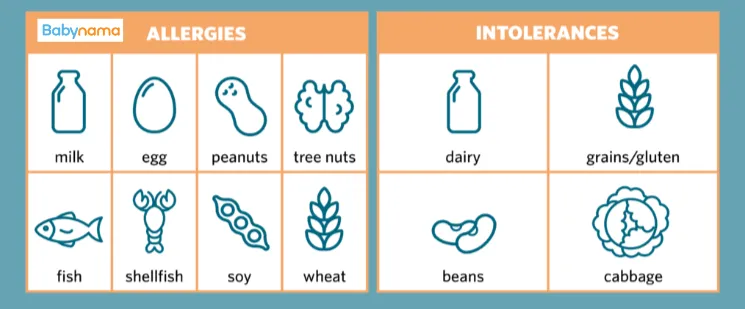
Chia is not a common allergen, but any new food can occasionally cause a reaction. After introducing chia, watch for:
- Rash or hives
- Vomiting
- Swelling around the face or lips
- Any breathing trouble
If you notice any of these, stop the food and see a doctor. Severe symptoms like difficulty breathing or significant swelling need urgent medical attention.
Easy Indian Ideas
- Soaked chia in fruit puree: soak chia in a little milk or water, then stir a small spoon into mashed banana, stewed apple or pear.
- Chia dahi: mix a little soaked chia gel into plain dahi for a soft, cooling snack.
- Chia ragi porridge: stir a small amount of soaked chia into warm ragi porridge for an extra nutrient boost.
All of these keep the chia soft, hydrated and easy to swallow.
When to See a Doctor
Speak to your paediatrician if:
- Your baby has any allergic reaction after eating chia (rash, vomiting, swelling, or especially breathing trouble - seek urgent care for the last).
- Your baby has ongoing constipation, hard stools or a bloated, uncomfortable tummy.
- Your baby was premature or has a medical condition and you are unsure when to start such foods.
- You simply want personalised advice on introducing new foods.
Frequently Asked Questions
Q: Can I give my baby dry chia seeds?
A: No. Always soak chia into a soft gel or mix it into a wet food first. Dry chia swells when it meets liquid and can be a choking and throat-irritation risk for babies.
Q: From what age can babies eat chia seeds?
A: In small soaked amounts, from around 6 months, once your baby has started solids and is sitting with support.
Q: How much chia is safe for a baby?
A: Start small - about a quarter to half teaspoon, soaked. Because chia is high in fibre, keep portions small and make sure baby gets enough fluids.
Q: Can too much chia cause constipation?
A: Yes, too much fibre with not enough fluids can lead to gas, bloating or constipation. Keep the amount small and ensure plenty of breastmilk, formula or water.
Q: Should I grind chia seeds for my baby?
A: You can grind them into a powder if you prefer, but ground chia still needs to be mixed into a moist food - never given dry.
Feeding babies brings lots of small questions, and you do not have to figure them out alone. For support from paediatricians and other parents, join here.
This article is for general information and is not a substitute for personalised medical advice. Always consult your paediatrician before starting new foods.
Continue with this topic