Goat milk (bakri ka doodh) is a common home staple in many Indian families, and parents often wonder whether it’s a good drink for a young baby. It’s a fair question, but the answer matters a lot for your baby’s health. Plain goat milk is not a suitable main milk for an infant, and giving it too early can cause real problems. Here’s what you need to know about goat milk for babies, the right age, and how to give it safely.
Quick Answer
Plain goat milk should not be given as your baby’s main drink before 12 months. Just like cow’s milk, it is not suitable as the main milk for a baby under one year. For babies under 1, the only milks that meet their needs are breast milk or, if needed, a proper infant formula. After 12 months, small amounts of well-boiled goat milk can be part of a varied diet. And whenever you do use goat milk, always boil or pasteurise it first.
Why Goat Milk Isn’t Suitable for Babies Under 1
A baby under one year has immature kidneys and very specific nutritional needs. Plain goat milk, like plain cow’s milk, has the wrong balance of protein and minerals for a young baby’s body to handle. The high protein and mineral load can put strain on developing kidneys.
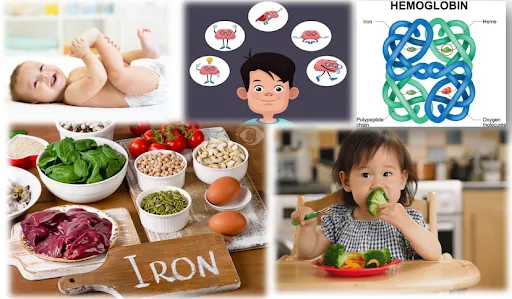
Goat milk is also low in iron and folate. Iron is essential for healthy blood and brain development, and unmodified goat milk is especially low in folate. When goat milk replaces breast milk or formula in this window, a baby can develop anaemia (low blood count) and other nutritional problems. This is exactly why paediatric guidance is clear that ordinary goat milk is not a safe substitute for breast milk or infant formula in the first year.
Goat Milk vs Goat-Milk Infant Formula
This is an important distinction that confuses many parents. Plain goat milk (the kind you buy fresh from a vendor or at a shop) is not the same as a goat-milk-based infant formula.
A goat-milk infant formula is a manufactured, regulated product. It is modified so that the protein, minerals, iron, and folate are adjusted to meet an infant’s needs, similar to standard cow’s-milk formula. It is a legitimate option for some babies, but only when chosen on medical advice. Plain goat milk is not modified in any of these ways, so it cannot substitute for breast milk or formula. When people talk about “goat milk vs formula,” they should really be comparing breast milk or a proper formula to plain goat milk, and plain goat milk loses that comparison for a baby under one.
Don’t Use It for Suspected Cow’s-Milk Allergy Without a Doctor
A common myth is that switching to goat milk will “solve” a cow’s-milk allergy. This is risky. The proteins in goat milk and cow’s milk are very similar and the great majority of babies allergic to cow’s milk protein also cross-react to goat milk, because the casein proteins are nearly identical.
If you suspect your baby has a milk allergy, do not switch milks on your own. Speak to your paediatrician, who can confirm the diagnosis and recommend the right specialised formula if one is needed.
Always Boil or Pasteurise
Raw, unpasteurised milk of any kind can carry bacteria and other germs that cause serious infection, and babies are especially vulnerable. If goat milk is ever used (after 12 months, in cooking, or in any form), it must be boiled or pasteurised first. Fresh goat milk straight from an animal or vendor is never safe to give raw to a child. If a baby is accidentally given raw milk and then develops fever, vomiting, or diarrhoea, seek medical care.
After 12 Months
Once your baby is past their first birthday and eating a range of solid foods, small amounts of well-boiled goat milk can be offered as part of a balanced, varied diet. At this age, milk is one food among many rather than the main source of nutrition, so the concerns about iron and folate are much smaller, provided the overall diet is varied. Continue to boil it, and keep an eye out for any reaction, especially if there has ever been a milk allergy concern.
Indian Context
In many Indian homes, fresh goat or cow milk is bought directly from a local doodhwala or vendor. This milk is usually unpasteurised, so it must be boiled well before anyone in the family drinks it, and it should never be given raw to a baby. Boiling also helps reduce contamination from handling and storage.
There are also folk beliefs that goat milk is “lighter,” “more digestible,” or a cure for various baby ailments. While goat milk does have a place in the family diet for older children and adults, these beliefs should not lead you to give it to a baby under one or to use it in place of breast milk or formula. Nutrition needs, not tradition, should guide what your baby drinks in the first year.
When to Ask Your Doctor
Talk to your paediatrician if:
- You are unable to breastfeed and need help choosing a suitable infant formula
- You think your baby may have a cow’s-milk or other milk allergy
- Your baby seems pale, tired, or is not gaining weight well (possible signs of anaemia)
- You are considering a goat-milk-based infant formula
- You’re unsure when and how to introduce any animal milk into your baby’s diet
Frequently Asked Questions
Q: Can I give goat milk to my 6-month-old?
A: No. Plain goat milk should not be a main drink before 12 months. At 6 months your baby still needs breast milk or infant formula as their main milk, alongside the first solid foods.
Q: Is goat milk healthier than cow’s milk for babies?
A: Not for a baby under one. Both plain goat milk and plain cow’s milk have the wrong protein and mineral balance and are low in iron, so neither is a suitable main milk for an infant.
Q: My baby is allergic to cow’s milk, can I switch to goat milk?
A: Not on your own. Goat and cow’s milk proteins often cross-react, so goat milk may trigger the same allergy. See your paediatrician before changing milks.
Q: Do I need to boil goat milk before giving it to my child?
A: Yes, always. Raw or unpasteurised milk can cause serious infection. Boil or use properly pasteurised goat milk every time.
Q: Is goat-milk formula the same as plain goat milk?
A: No. Goat-milk infant formula is a modified, regulated product made to meet a baby’s needs. Plain goat milk is not, and it cannot replace breast milk or formula. Use formula only on medical advice.
Still have questions about milk and feeding in your baby’s first year? Our paediatric team and other parents are here to help, join here.
This article is for general information and is not a substitute for personalised medical advice. Always consult your paediatrician about your own baby.
Continue with this topic