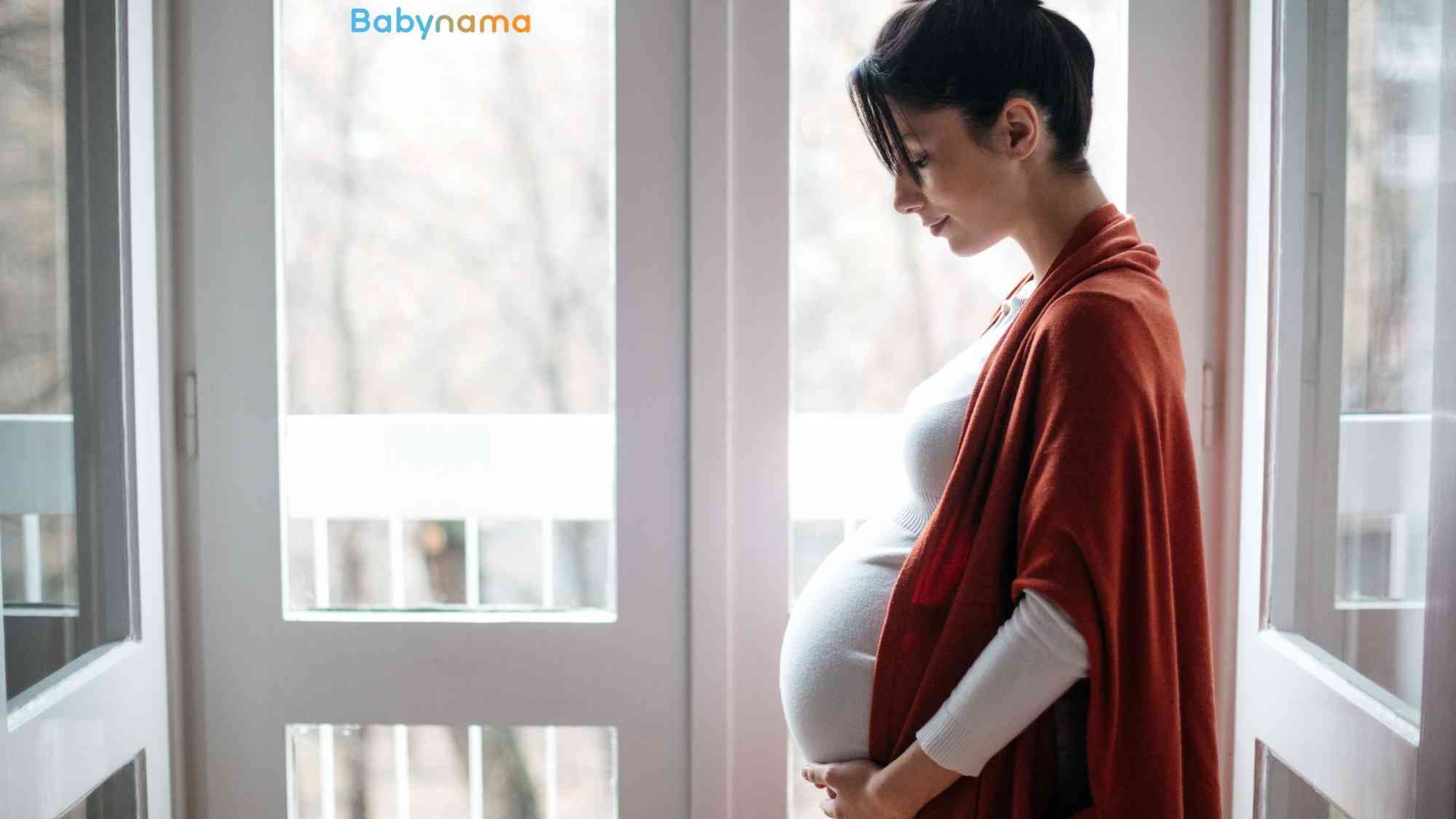
Sleep during pregnancy can feel like a moving target. As your body changes and your bump grows, the position you fall asleep in starts to matter more than it did earlier. The good news is that the advice is simple, and a few small adjustments can make a big difference to both comfort and safety.
Quick Answer
In early pregnancy (first trimester), you can sleep in whatever position is comfortable — front, back, or side. Your baby is still well protected and position does not matter yet.
From around 28 weeks (late second and third trimester), the general guidance is to go to sleep on your side — either side is fine, with the left side often suggested. The key message is simple: side, not back. Lying flat on your back in later pregnancy is best avoided.
And if you wake up on your back, do not panic — just settle yourself back onto your side. What matters is the position you go to sleep in.
Pillows are your best friend: tuck one between your knees, under your bump, and behind your back for support.
Does Sleep Position Matter?
Not in early pregnancy. During the first trimester, your uterus is still small and sits low in the pelvis, so however you lie does not affect your baby. Sleep in whatever way helps you rest.
Things change in the second and third trimesters, as the uterus grows heavier and rises up into the abdomen. From this point, how you settle to sleep becomes worth thinking about.
Why Side-Sleeping in Later Pregnancy
As your bump grows, lying flat on your back means the weight of the uterus presses down on a large vein called the vena cava, which carries blood back to your heart. This pressure can reduce blood flow and may leave you feeling faint, dizzy, breathless, or generally unwell when lying flat.
Beyond comfort, general obstetric guidance now advises going to sleep on your side from around 28 weeks, because some studies have linked going to sleep on your back in the third trimester with a higher risk of stillbirth. The overall risk remains low, and the reassuring part is that this is something you can act on easily — simply settling to sleep on your side is a simple precaution.
Left vs Right — Either Side Is Fine
You may have heard that the left side is best. Sleeping on the left may slightly improve blood flow to the uterus, kidneys, and baby, which is why it is often recommended. But the most important point is this: either side is fine. Left or right, both are far safer than lying flat on your back in later pregnancy. Do not lose sleep trying to stay glued to one side — pick whichever is comfortable.
“I Woke Up on My Back” — Don’t Panic
It is completely normal to shift around in your sleep and find yourself on your back when you wake. This is not a cause for alarm. The guidance is about the position you settle into when you go to sleep — not policing every moment of the night.
If you wake up on your back, simply turn over and settle onto your side again. Some women find that placing a pillow behind their back gently discourages rolling fully flat, which can help.
Comfort Tips and Pillows
A few simple props make side-sleeping much more comfortable:
- Bend your knees and draw them up slightly toward your bump.
- Place a pillow between your knees to ease pressure on your hips and lower back.
- Tuck a small pillow under your bump for support.
- Put a pillow behind your back to stop you rolling flat and to add support.
- A full-length pregnancy pillow wraps around the body and does several of these jobs at once.
- If you feel breathless or have heartburn, prop yourself up with extra pillows so you are more upright rather than lying completely flat.
The aim is to avoid lying totally flat and to support the weight of the bump so your muscles can relax.
Common Sleep Disruptors
Even in the best position, other things can interrupt your rest:
- Heartburn: Avoid eating a large meal right before bed, and prop yourself up on pillows so you are not lying flat.
- Frequent urination: Cut back on fluids in the hour or two before bed, but keep drinking enough through the day.
- Leg cramps: Gentle stretching before bed and staying hydrated can help; flex your foot upward if a cramp strikes.
- Anxiety and a busy mind: A calm wind-down routine — dim lights, no screens for a while, slow breathing — helps settle racing thoughts.
Good sleep hygiene matters too: a consistent bedtime, a cool dark room, and avoiding caffeine late in the day all support better rest.
When to See a Doctor
Reach out to your maternity care team or obstetrician if you:
- Feel faint, breathless, or have palpitations when lying down.
- Have severe or persistent insomnia that is affecting your daily life.
- Experience restless legs or very poor sleep that is wearing you down.
Most importantly: never use sleep worries or your position as a reason to ignore reduced fetal movements. If you notice your baby moving less than usual, contact your maternity care team straight away, at any time of day or night. This always takes priority over sleep concerns.
Indian Context
Many Indian homes sleep on firm mattresses or on the floor, which can actually be comfortable and supportive in pregnancy — just add pillows for the bump, back, and between the knees. In hot, humid weather, overheating can disturb sleep, so keep the room cool with a fan or AC, wear loose cotton, and stay hydrated. In joint-family sleeping arrangements, it can be harder to claim space and pillows, so do ask for an extra pillow or two — your comfort and rest matter, and side-sleeping support is not a luxury.
Frequently Asked Questions
Q: Is it safe to sleep on my back during pregnancy?
A: In early pregnancy, yes. From around 28 weeks, it is best to avoid going to sleep flat on your back, as the weight of the uterus can press on a major vein and reduce blood flow. Sleep on your side instead.
Q: Does it have to be the left side?
A: No. The left side is often suggested and may slightly improve blood flow, but either side is fine. The important thing is side rather than back.
Q: I keep waking up on my back. Have I harmed my baby?
A: No. It is the position you settle to sleep in that counts. If you wake on your back, just turn onto your side and settle again. A pillow behind your back can help reduce rolling.
Q: Can I sleep on my tummy?
A: In early pregnancy it is fine if comfortable. As your bump grows it usually becomes impractical and uncomfortable on its own, so most women naturally move to side-sleeping.
Q: What if I just cannot get comfortable at all?
A: Experiment with pillows between the knees, under the bump, and behind the back, and try propping up if you have heartburn or breathlessness. If poor sleep is seriously affecting your daily life, raise it with your doctor.
Struggling with sleep or have questions about your pregnancy? You are not alone — connect with other expecting parents and our care team. join here
This article is for general information and is not a substitute for personalised medical advice. Always consult your obstetrician.