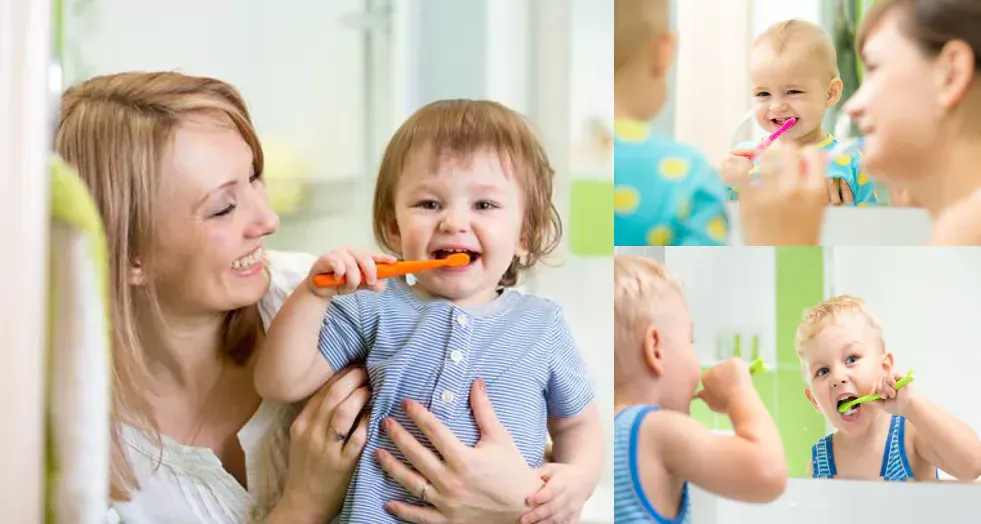
Quick Answer: Yes, you MUST brush your baby’s milk teeth (doodh ke daant) every day! Even though these teeth will eventually fall out, not brushing them daily can lead to painful cavities, difficulty eating, speech problems, and can even damage the permanent teeth developing underneath. Start cleaning your baby’s gums even before the first tooth appears, and begin brushing as soon as that first tooth (usually around 6 months) erupts. Bahut important hai - yeh temporary daant permanent teeth ki neev hain!
Why Do Milk Teeth Matter If They’ll Fall Out Anyway?
This is the most common question Indian parents ask - “Doodh ke daant toh gir jayenge, clean karne ki kya zaroorat hai?”
Here’s why your baby’s first teeth are more important than you think:
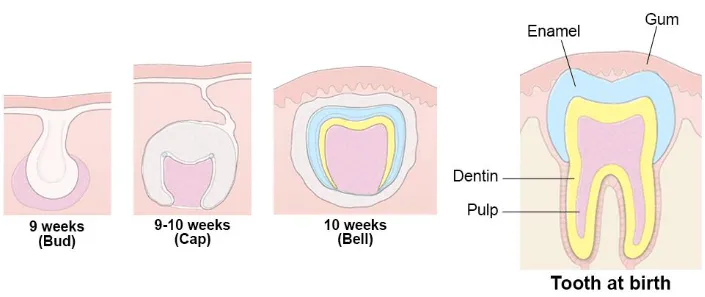
The Hidden Connection
| Milk Teeth Function | Why It Matters |
|---|---|
| Hold space for permanent teeth | Premature loss causes crooked adult teeth |
| Help with proper chewing | Good nutrition depends on ability to chew |
| Aid speech development | Teeth help form sounds correctly |
| Protect permanent teeth below | Infected milk teeth can damage permanent teeth |
| Build brushing habits | Early habits stick for life |
Important: Milk teeth enamel is thinner and weaker than adult teeth, making them MORE susceptible to cavities - not less!
What Happens If You Skip Daily Brushing?
Day 1-2: Plaque Buildup Begins
- Invisible bacteria layer forms on teeth
- This is normal and easily removed by brushing
After 2-3 Days: Tartar Formation
- Plaque hardens into tartar (difficult to remove at home)
- Bad breath (muh se smell) starts
- Gums may look slightly red
After Weeks: Early Decay Starts
- Bacteria produce acid that attacks enamel
- White spots appear on teeth (early cavity sign)
- Sensitivity may begin
After Months: Full Cavities Develop
- Visible holes in teeth
- Pain while eating, especially sweets
- Possible infection and swelling
- May need dental treatment
Long-Term Consequences
- Permanent teeth underneath can be damaged
- Early tooth loss = crooked permanent teeth
- Speech problems
- Self-confidence issues as child grows
- Fear of dentists from painful experiences
When to Start Dental Care: Age-by-Age Guide
Before First Tooth (0-6 months)
What to do: Clean gums after feeds
How:
- Wrap a clean, soft, damp cloth around your finger
- Gently wipe baby’s gums after feeding
- This removes milk residue and bacteria
- Gets baby used to mouth cleaning routine Especially important if: Baby is formula-fed (formula doodh can stick to gums)
First Tooth to 12 Months (6-12 months)
What to do: Start brushing!
What you need:
-
Soft baby toothbrush (finger brush or small-headed brush)
-
Tiny smear of fluoride toothpaste (rice grain size) How:
-
Brush twice daily - morning and before bed
-
Gentle circular motions on all tooth surfaces
-
Also brush gums gently
-
Don’t rinse - the tiny rice-grain smear is the recommended amount and is fine if swallowed
Toddler Stage (1-3 years)
What to do: Establish proper routine
What you need:
-
Age-appropriate soft toothbrush
-
Pea-sized amount of fluoride toothpaste How:
-
Brush twice daily
-
Parent should do the brushing (child lacks coordination)
-
Make it fun with songs or games
-
Start flossing when teeth touch each other
Preschool (3-6 years)
What to do: Supervised brushing
- Child can start brushing themselves
- Parent must supervise and do a “check brush” after
- Continue until child is 7-8 years old
Step-by-Step Guide: How to Brush Baby’s Teeth
Step 1: Gather Supplies
| Item | Options Available in India | Approximate Price |
|---|---|---|
| Baby toothbrush | Pigeon, Mee Mee, Chicco, Mamaearth | Rs. 100-300 |
| Finger brush | Silicone finger brushes (Amazon, FirstCry) | Rs. 100-200 |
| Baby toothpaste | Mamaearth, Chicco, Colgate Kids, Pigeon | Rs. 150-300 |
Step 2: Position Baby Comfortably
For infants (6-12 months):
-
Cradle baby in your arm, head resting in crook of elbow
-
Or lay baby on changing table/bed with head towards you For toddlers:
-
Sit child on your lap facing away from you
-
Tilt head back gently against your chest
-
Or stand behind child in front of mirror
Step 3: Brush Properly
- Use tiny smear of toothpaste (grain of rice size for under 3 years)
- Hold brush at 45-degree angle to gums
- Brush outer surfaces with gentle circular motions
- Brush inner surfaces (tongue-side)
- Brush chewing surfaces
- Gently brush tongue
- Total time: 2 minutes (or sing a short song twice)
Step 4: Make It a Habit
- Same time every day - morning after breakfast, night before bed
- Make it part of bedtime routine
- Be consistent even when traveling
Tips for Success
Making Brushing Fun
- Sing a brushing song - “Brush brush brush your teeth” to a familiar tune
- Use a timer or app - Brushing apps with characters can help
- Let them choose - Let child pick their toothbrush color/character
- Brush together - Brush your teeth while they brush theirs
- Story time - Tell stories about teeth heroes fighting cavity monsters
- Rewards - Star chart for consistent brushing (avoid candy rewards!)
Getting a Reluctant Child to Brush
- Start earlier - babies who have gums cleaned from birth accept brushing better
- Never force - it creates negative association
- Try different brushes - some prefer finger brush, others like regular brush
- Let them play with the brush first
- Brush a toy’s teeth together
- Give them control - let them try first, then you finish
Common Mistakes to Avoid
- “Doodh ke daant important nahi hai” - WRONG! They’re foundation for permanent teeth
- Starting brushing after 1 year - Start at 6 months with first tooth
- Not brushing before bed - Nighttime brushing is most important (less saliva during sleep)
- Letting child sleep with bottle - Causes “bottle tooth decay” from formula/milk pooling
- Using adult toothpaste - Too much fluoride; use baby toothpaste
- Brushing too hard - Gentle pressure is enough; hard brushing damages gums
- Skipping when child is tired/sick - At least wipe teeth with cloth
- Trusting child to brush alone before age 7 - They need supervision
The Formula-Feeding Connection
If your baby is formula-fed, dental care is especially important:
Why formula-fed babies need extra care:
-
Formula contains sugars that bacteria love
-
Formula doodh can pool around teeth during feeds
-
Night feeds increase cavity risk What to do:
-
Clean gums/teeth after every formula feed when possible
-
Never put baby to bed with a bottle
-
Offer water after formula to rinse mouth (for babies over 6 months)
-
Transition from bottle to cup by 12 months to reduce cavity risk
When to See a Dentist
First Dental Visit
- When: By baby’s first birthday or within 6 months of first tooth
- Why: Early exam catches problems, baby gets comfortable with dentist
Warning Signs - See Dentist Immediately
- White or brown spots on teeth
- Red, swollen, or bleeding gums
- Bad breath that doesn’t go away
- Pain while chewing
- Visible holes in teeth
- Broken or chipped teeth
Regular Check-ups
- Every 6 months after first visit
- Dentist can apply fluoride varnish for extra protection
FAQs
Q: Mera baby brush nahi karne deta - kya karun?
A: This is common! Try these approaches: Make it a game, let baby hold another brush while you brush their teeth, brush together in front of a mirror, or try at a different time when baby is in a better mood. Distraction with a song or toy can help. If nothing works, at minimum wipe teeth with a clean cloth. Persistence is key - eventually baby will accept brushing.
Q: Can formula doodh cause cavities?
A: Yes, if proper dental hygiene isn’t followed. Formula contains sugars that bacteria in the mouth use to produce acid, which attacks tooth enamel. The biggest risk is bottle sleeping - when baby falls asleep with a bottle, formula pools around teeth all night. Always brush or wipe teeth after the last feed before bed.
Q: Which toothpaste should I use for my 8-month-old baby?
A: Use a fluoride toothpaste designed for babies (like Mamaearth, Chicco, or Colgate Kids 0-2 years). Use only a rice-grain-sized smear for babies under 3 years. The small amount of fluoride helps prevent cavities and is safe even if swallowed.
Q: Baby ke daant mein cavity ho gayi - ab kya kare?
A: Don’t panic, but do act quickly. See a pediatric dentist as soon as possible. Early cavities can sometimes be treated with fluoride application. More advanced cavities may need filling. Untreated cavities can cause pain, infection, and damage to permanent teeth developing below.
Q: Is it okay to skip brushing at night if baby is already sleeping?
A: Nighttime brushing is actually the MOST important because saliva production decreases during sleep, giving bacteria more time to damage teeth. Try to brush before baby is too sleepy. If baby falls asleep, gently wipe teeth with a wet cloth. Make night brushing part of the bedtime routine before pajamas and story.
Q: My toddler wants to brush by themselves - should I let them?
A: Let them try first to build independence and interest, but ALWAYS do a thorough “finish brush” yourself afterward. Children lack the fine motor skills for effective brushing until age 7-8. Think of it as teamwork - they start, you finish.
Q: Doodh ke daant ek saal mein nikal gaya - kya problem hai?
A: If a milk tooth falls out very early (before age 4-5 for front teeth, earlier for others), consult a pediatric dentist. Early tooth loss, often from decay, can cause permanent teeth to come in crooked because there’s no space holder. A dentist may recommend a space maintainer.
This article was medically reviewed by Babynama Pediatricians. Last updated: January 2025
Have questions about your baby’s dental health? Chat with a Babynama pediatrician anytime. While we’re not dentists, we can guide you on oral hygiene basics and refer you to a pediatric dentist if needed. Available 24/7 on WhatsApp!
Need personalized guidance? Book a consultation with our pediatricians or explore our Care Plans for 24/7 expert support!
Disclaimer: This article is for general information for parents in India and is not a substitute for professional medical or dental advice. Dental care guidance follows IAP and AAPD recommendations. Brands and prices are examples only. Always consult your pediatrician or a pediatric dentist for your child’s specific needs. In an emergency, call 112 (national emergency) or 108 (ambulance), or go to your nearest hospital.
Continue with this topic