Quick Answer
Calcium deficiency (calcium ki kami) and rickets are largely preventable conditions, and most Indian children who eat a balanced diet and get adequate vitamin D are at lower risk. However, certain children - especially those with limited sun exposure, picky eaters, or on restricted diets - need extra attention. The good news is that with proper nutrition and vitamin D, these conditions can usually be prevented and are treatable when caught early.
What Causes Calcium Deficiency and Rickets?
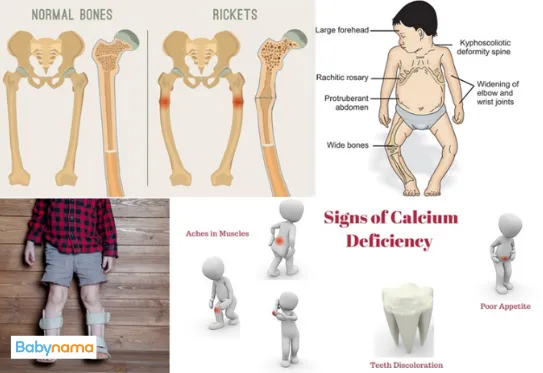
Rickets is a bone-softening condition caused by:
1. Vitamin D Deficiency (Most Common in India)
-
Limited sun exposure (staying indoors, covered clothing)
-
Dark skin (needs more sun for vitamin D)
-
Exclusive breastfeeding without vitamin D supplements
-
Living in polluted cities with less sunlight 2. Inadequate Calcium Intake
-
Not drinking enough milk or eating dairy
-
Picky eaters avoiding calcium-rich foods
-
Lactose intolerance without alternatives
-
Very restrictive diets 3. Phosphorus Deficiency (Less common)
-
Usually genetic conditions
-
Kidney problems Age Groups Most at Risk:
| Age | Risk Factors |
|---|---|
| 0-6 months | Exclusively breastfed without vitamin D drops |
| 6-24 months | Not getting enough dairy/calcium foods after weaning |
| 2-5 years | Picky eaters, limited outdoor play |
| Any age | Dark skin, limited sun, vegetarian without planning |
Symptoms to Watch For
Early Signs (Haddiyon ki Kamzori):
-
Delayed milestones - late sitting, crawling, walking
-
Slow growth compared to peers
-
Delayed teething or weak teeth
-
Irritability, especially in babies
-
Excessive sweating, particularly on head during sleep
-
Muscle weakness or floppiness Advanced Signs (Seek Medical Help):
-
Bowed legs (tangdi mudi hui) - legs curve outward
-
Knock knees - knees touch but ankles don’t
-
Widened wrists and ankles
-
Soft skull bones in babies
-
Prominent forehead
-
Delayed closure of fontanelle (soft spot)
-
Chest deformities (pigeon chest)
-
Bone pain or tenderness
-
Frequent fractures from minor falls
Calcium-Rich Indian Foods for Prevention
Dairy Sources (Best Absorbed):
-
Milk (doodh) - 1 glass = ~300mg calcium
-
Curd/Dahi - 1 cup = ~200mg calcium
-
Paneer - 100g = ~200mg calcium
-
Cheese - 1 slice = ~150mg calcium
-
Buttermilk (chaas) - 1 glass = ~100mg calcium Non-Dairy Sources (For Lactose Intolerant):
-
Ragi (nachni) - 100g = ~344mg calcium (EXCELLENT!)
-
Til/Sesame seeds - 1 tbsp = ~88mg calcium
-
Rajma (kidney beans) - 1 cup cooked = ~60mg calcium
-
Chana (chickpeas) - 1 cup cooked = ~80mg calcium
-
Methi leaves - 100g = ~395mg calcium
-
Amaranth leaves (chaulai) - 100g = ~215mg calcium
-
Dried figs (anjeer) - 3-4 pieces = ~50mg calcium Daily Calcium Requirements:
Based on ICMR-NIN (2020) recommended dietary allowances for Indians:
| Age | Calcium Needed (per day) |
|---|---|
| 0-6 months | ~300mg (from breast milk/formula) |
| 1-3 years | ~500mg |
| 4-6 years | ~550mg |
| 7-9 years | ~650mg |
| 10-12 years | ~850mg |
These are general guideline values; your pediatrician can advise what is right for your child.
Vitamin D - The Essential Partner
Calcium cannot be absorbed without adequate Vitamin D!
Natural Sources:
-
Sunlight - 15-20 minutes of morning sun (before 10 AM) on arms and legs, 3-4 times per week
-
Fatty fish (salmon, mackerel)
-
Egg yolks
-
Fortified milk and cereals For Babies:
-
IAP recommends 400 IU vitamin D drops daily for breastfed babies, starting in the first 2 weeks of life and continuing through the first year
-
Formula-fed babies usually get enough from fortified formula
-
IAP advises continuing supplements until the baby is drinking about 1 litre of fortified milk/formula daily; check with your pediatrician
When to See a Doctor
Seek Immediate Care If:
-
🚨 Baby has seizures, twitching, or muscle spasms (can indicate severe calcium deficiency / hypocalcemia) — call 112 (national emergency) or 108 (ambulance), or go to the nearest hospital straight away
-
Noticeable bone deformities developing
-
Child has difficulty breathing (chest deformity)
-
Fractures from minor falls Schedule an Appointment If:
-
Baby’s soft spot hasn’t closed by 18 months
-
Child’s legs appear bowed or knocked
-
Delayed walking (not walking by 18 months)
-
Excessive sweating on head during sleep
-
Child is significantly shorter than peers
-
Teeth are delayed or appear weak/damaged
-
You’re concerned about dietary calcium intake
Treatment Options
For Mild Deficiency:
-
Dietary changes to increase calcium and vitamin D
-
Vitamin D supplements (dosage as per pediatrician)
-
Increased safe sun exposure
-
Regular monitoring For Moderate to Severe Cases:
-
High-dose vitamin D therapy (stoss therapy)
-
Calcium supplements
-
Regular blood tests to monitor levels
-
X-rays to track bone healing For Bone Deformities:
-
Most mild deformities correct with treatment over 1-2 years
-
Severe cases may need bracing
-
Very rarely, surgery for extreme cases
Prevention Tips for Indian Parents
Daily Habits:
-
Include 2-3 servings of dairy OR calcium-rich alternatives daily
-
Morning sunlight exposure (15-20 minutes, 3-4 times/week)
-
Give vitamin D drops to breastfed babies
-
Include ragi, til, and green leafy vegetables in diet
-
Avoid excess phytates (found in unsoaked grains) that block calcium Smart Food Combinations:
-
Ragi porridge with milk = double calcium boost
-
Til/sesame ladoo for snacks
-
Palak paneer = calcium + iron
-
Curd rice = easy calcium
-
Nachni dosa = calcium-rich alternative What to Avoid:
-
Excessive salt (causes calcium loss)
-
Too many soft drinks (phosphoric acid affects calcium)
-
Overuse of antacids
-
Complete dairy avoidance without alternatives
FAQs
Q: Mera baccha doodh nahi peeta - will he get rickets?
A: Not necessarily! While milk is the easiest calcium source, many non-dairy foods are calcium-rich too. Focus on ragi (nachni) which has more calcium than milk, along with paneer, curd, til, and green leafy vegetables. You can also try flavored milk, curd-based drinks, or cheese if plain milk is rejected. Discuss vitamin D supplementation with your pediatrician.
Q: My baby is 4 months old and exclusively breastfed - should I worry about rickets?
A: Breast milk is perfect nutrition, but it’s low in vitamin D. IAP recommends that all breastfed babies in India receive 400 IU of vitamin D drops daily, starting in the first 2 weeks of life and continuing until they’re drinking about 1 litre of fortified milk daily. This simple step greatly reduces the risk of vitamin D-deficiency rickets. Ask your pediatrician about vitamin D supplements.
Q: Baby ki tangdi mudi hui hai (bowed legs) - is this rickets?
A: Mild bowing of legs is common and usually expected in babies and toddlers up to about age 2-3 years - this is called physiological bowing and often corrects on its own. However, if bowing is severe, gets worse instead of better after age 2, or affects only one leg, consult your pediatrician. They can check vitamin D and calcium levels with a simple blood test.
Q: How much sun exposure does my child need?
A: In India, 15-20 minutes of morning sun (before 10 AM) on the face, arms, and legs, 3-4 times per week is usually sufficient. Darker-skinned children may need slightly more. Avoid harsh afternoon sun which can cause sunburn. Even playing outdoors in the shade provides some vitamin D exposure.
Q: Can vegetarian children get enough calcium without milk?
A: Yes! Ragi (finger millet) actually has MORE calcium than milk. Other excellent vegetarian sources include sesame seeds (til), paneer, curd, tofu, almonds, and dark green leafy vegetables like amaranth and methi. A well-planned vegetarian diet with these foods can easily meet calcium needs.
Q: My child has rickets - will the bone damage be permanent?
A: When caught early and treated properly, most children recover completely with no permanent damage. Bones can heal and straighten with adequate vitamin D and calcium. Even mild to moderate bowing usually corrects fully. Only very severe, untreated cases may have lasting effects - which is why early treatment is important.
This article was reviewed by Babynama Pediatricians. Last updated: June 2026.
Disclaimer: This article is for general information for parents in India and is not a substitute for professional medical advice. Calcium, vitamin D, and supplement needs vary from child to child. Always consult your pediatrician about your child’s diet, supplements, and any symptoms before starting or changing any treatment. In an emergency, call 112 (national emergency) or 108 (ambulance), or go to your nearest hospital.
Need personalized guidance? Book a consultation with our pediatricians or explore our Care Plans for 24/7 expert support!
Related Tools
Have a question about your little one?
Join our free community for live Q&A with MD pediatricians — no cost to join.
Join the free community