Quick Answer
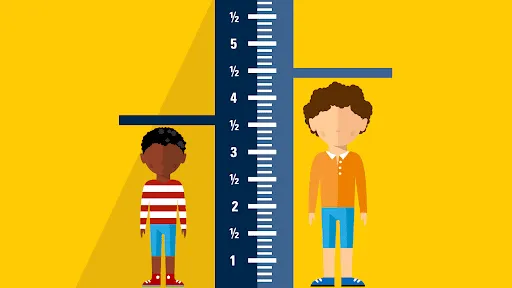
If your child is significantly shorter than peers (bahut chota hai) or not growing as expected, it could be Growth Hormone Deficiency (GHD) - but this is rare! Most short children are simply following their genetic potential or are “late bloomers.” Growth hormone therapy is only needed when there’s a confirmed deficiency, and it can be very effective when started early. Don’t panic - your pediatrician can guide proper evaluation.
Understanding Growth Hormone
What is Growth Hormone (GH)?
- Produced by pituitary gland in the brain
- Controls height, muscle growth, and bone development
- Released in pulses, mainly during sleep
- Levels change throughout childhood Normal Growth Patterns:
| Age | Average Growth per Year |
|---|---|
| Birth-1 year | 25 cm (10 inches) |
| 1-2 years | 12-13 cm (5 inches) |
| 2-3 years | 8-9 cm |
| 3 years to puberty | 5-7 cm |
| Puberty | 8-12 cm (growth spurt) |
Important: Growth rate matters more than absolute height!
What Causes Growth Hormone Deficiency?
Congenital (Born with it):
-
Pituitary gland problems from birth
-
Genetic conditions
-
Brain development issues Acquired (Develops later):
-
Head injury
-
Brain tumors or surgery
-
Radiation therapy
-
Infections affecting brain
-
Unknown causes (most common) Risk Factors:
-
Family history of GHD
-
Complications during birth
-
Previous brain injury or surgery
Symptoms to Watch For
In Infants:
- Low blood sugar episodes (hypoglycemia)
- Jaundice lasting longer than normal
- Small penis in boys (micropenis)
- Poor growth from early months In Toddlers and Children:
| Sign | What to Notice |
|---|---|
| Short stature | Significantly shorter than peers (below 3rd percentile) |
| Slow growth | Less than 4-5 cm per year after age 3 |
| “Baby face” | Younger-looking face for age |
| Delayed teeth | Baby teeth come late or fall late |
| Chubbiness | More fat around waist and face |
| Delayed puberty | No signs of puberty by age 13-14 |
| Small hands/feet | Proportionally smaller |
Red Flag Signs:
- Crossing percentile lines downward on growth chart
- Growth stopped or severely slowed
- Vision problems with headaches (could indicate pituitary tumor)
When to See a Doctor
Schedule an appointment if:
-
Child consistently below 3rd percentile for height
-
Growth rate less than 4 cm/year after age 3
-
Significant height difference from siblings at same age
-
Child much shorter than both parents’ genetic potential
-
Delayed puberty (no signs by 13 in girls, 14 in boys)
-
Previous pituitary or brain problems Seek earlier evaluation if:
-
Multiple symptoms present
-
Family history of GHD
-
Born small with no catch-up growth
-
Vision problems with headaches
Diagnosis Process
Step 1: Initial Assessment
-
Detailed growth history
-
Family height history (parents, siblings)
-
Nutritional assessment
-
Physical examination Step 2: Growth Chart Analysis
-
Plotting height over time
-
Calculating growth velocity
-
Comparing with Indian growth standards Step 3: Blood Tests
-
IGF-1 and IGFBP-3 (indicators of GH)
-
Thyroid function tests
-
Other hormone levels
-
Complete blood count Step 4: Stimulation Tests (if needed)
-
GH stimulation test (most accurate)
-
Requires fasting
-
Done in hospital setting
-
Takes several hours Step 5: Imaging (if indicated)
-
Bone age X-ray (hand/wrist)
-
MRI of brain/pituitary gland
Treatment Options
Growth Hormone Therapy:
- Daily injections of synthetic GH
- Identical to natural hormone
- Given at bedtime (mimics natural release)
- Continues until growth is complete What to Expect:
| Timeline | Expected Results |
|---|---|
| First 3-6 months | Catch-up growth begins |
| First year | 10-12 cm growth possible |
| Following years | 7-9 cm per year |
| Long-term | Can reach normal adult height |
Treatment Duration:
- Usually continues for several years
- Until growth plates close
- Regular monitoring required
Treatment in India
Availability:
-
Available at major pediatric endocrinology centers
-
Requires prescription from specialist
-
Available in government and private hospitals Cost Considerations:
-
Treatment can be expensive (Rs 15,000-40,000/month)
-
Some insurance covers it
-
Government programs may help in certain cases
-
Generic options available Finding a Specialist:
-
Pediatric endocrinologist (best choice)
-
Pediatrician with endocrine training
-
Major children’s hospitals
Home Management and Support
Good Nutrition:
-
Balanced diet with adequate protein
-
Calcium and vitamin D for bones
-
Avoid junk food
-
Don’t over-supplement without advice Sleep Optimization:
-
GH released mainly during sleep
-
Ensure adequate sleep hours
-
Consistent bedtime routine
-
No screens before bed Physical Activity:
-
Regular exercise supports growth
-
Swimming, cycling, stretching
-
Avoid excessive weight training in children
-
Focus on overall fitness Emotional Support:
-
Address child’s feelings about height
-
Avoid comparing with peers
-
Focus on strengths and abilities
-
Consider counseling if needed
Expert Insight: Our Babynama pediatricians advise: growth charts are just one tool — look at the overall trend over time, not a single measurement.
FAQs
Q: Mera bachcha class mein sabse chota hai - should I get GH therapy?
A: Being shorter than classmates doesn’t automatically mean GH deficiency. First, check if the growth rate is normal (4-6 cm/year). Consider genetic potential (parents’ heights). Visit your pediatrician for proper growth chart analysis. Only about 1 in 4,000-10,000 children actually has GH deficiency. Most short children are healthy and don’t need treatment.
Q: Can GH therapy make a normal child taller?
A: GH therapy is NOT recommended for children with normal GH levels. It’s only effective and approved for true GH deficiency or specific conditions. Giving GH to normal children has minimal effect on final height and can have side effects. Focus on good nutrition, sleep, and exercise instead.
Q: My child is shorter but eating well and active - should I worry?
A: If your child is growing at a normal rate (tracking their own percentile curve), eating well, and is healthy and active, short stature alone is usually not a concern. Many children are simply genetically shorter or “late bloomers” who catch up later. Regular pediatric visits will track growth and identify any issues early.
Q: Is growth hormone therapy safe?
A: When used appropriately for confirmed deficiency, GH therapy is generally safe and has been used for decades. Possible side effects include injection site reactions, headaches, and rarely joint pain. Long-term studies show good safety profile. However, it should only be used under specialist supervision with regular monitoring.
Q: When is it too late for growth hormone therapy?
A: GH therapy works best when started early, before growth plates close. Once growth plates are fused (usually by age 14-16 in girls, 16-18 in boys), GH therapy cannot increase height. This is why early evaluation of growth concerns is important. Bone age X-ray can show remaining growth potential.
Q: Are there any natural ways to increase growth hormone?
A: While you can’t cure GH deficiency naturally, you can optimize natural GH release through: adequate sleep (GH is released during deep sleep), regular exercise (especially high-intensity), proper nutrition (especially protein), reducing sugar intake, and maintaining healthy body weight. However, these won’t replace therapy if there’s true deficiency.
This article was reviewed by Babynama Pediatricians. Last updated: January 2025
Need personalized guidance? Book a consultation with our pediatricians or explore our Care Plans for 24/7 expert support!
Related Tools
General information for Indian parents, not a substitute for your pediatrician. In an emergency, call 112 or 108.
Continue with this topic
A useful next step
Baby development milestones by ageSee movement, language, social and cognitive milestones from birth to 3 years.Have a question about your little one?
Join our free community for live Q&A with MD pediatricians — no cost to join.
Join the free community