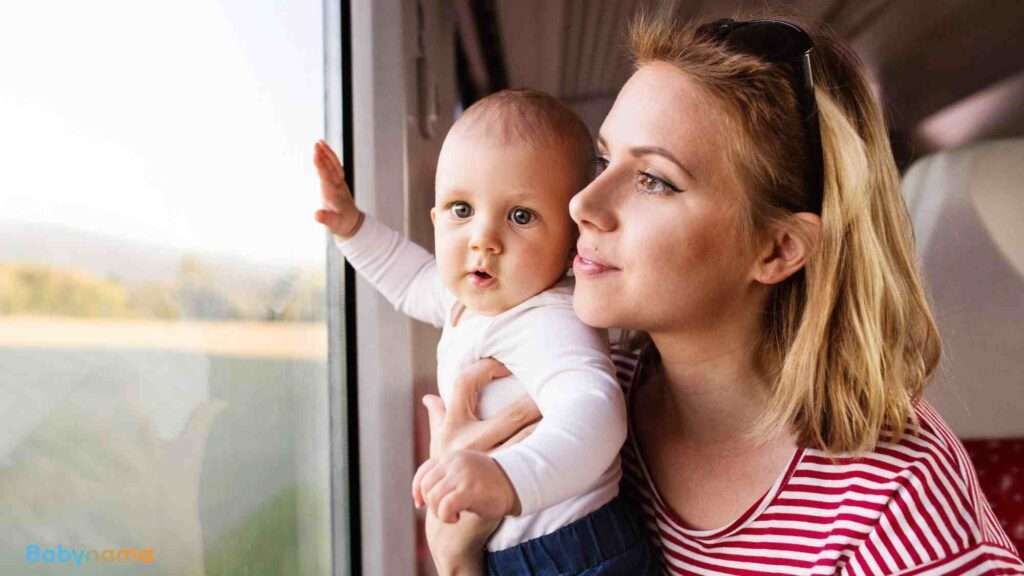
Quick Answer: Yes, you can travel safely with your baby in winter when you prepare well - just follow proper layering (3 layers of clothes), keep formula doodh warm using a thermos, protect hands and feet with mittens/booties, and avoid overheating. Most importantly, watch for signs of discomfort and feed your baby regularly to prevent dehydration. Thandi mein travel possible hai, bas thodi preparation chahiye!
Is It Safe to Travel with a Baby in Winter?
Haan, winter travel with your baby can be safe and comfortable when you’re well-prepared! Whether you’re visiting nani-dadi’s house for holidays, attending a family shaadi, or planning a hill station trip, your little one can enjoy the journey comfortably.
Many Indian parents worry about “thandi lag jayegi” - and while this concern is valid, it’s more about proper preparation than avoiding travel altogether. Let’s learn how to make winter journeys safe and enjoyable for your baby.
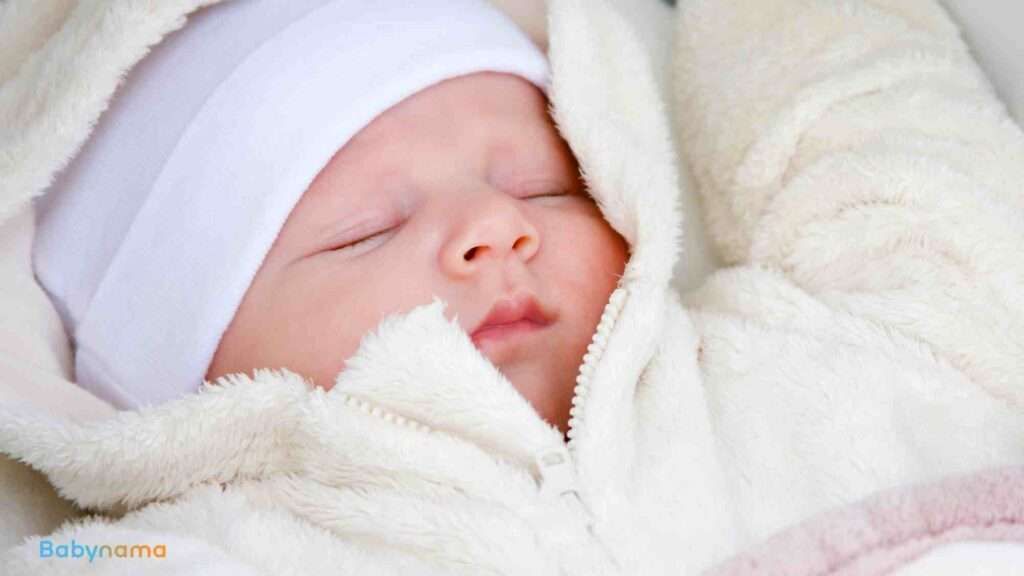
Step-by-Step Guide: Preparing for Winter Travel with Baby
Step 1: Master the Art of Layering
The key to keeping baby comfortable in winter is proper layering - not just piling on heavy clothes.
The 3-Layer Rule:
| Layer | Purpose | What to Use |
|---|---|---|
| Base Layer | Absorbs sweat, keeps skin dry | Soft cotton bodysuit/onesie |
| Middle Layer | Provides insulation | Woolen sweater, fleece jacket |
| Outer Layer | Protects from wind/cold | Winter jacket, snowsuit |
Important Tips:
- Choose breathable fabrics like cotton for the base layer
- Avoid synthetic materials directly on baby’s skin
- Always cover baby’s head with a soft woolen topi - babies lose heat quickly from their head
- Check baby’s neck/chest to gauge warmth (hands and feet are usually cooler) For Different Destinations:
| Destination | Temperature | Layers Needed |
|---|---|---|
| Delhi/NCR winter | 5-15°C | 3 layers + blanket |
| Hill stations (Shimla, Manali) | Below 5°C | 3-4 layers + heavy blanket |
| South India winter | 15-25°C | 2 layers |
| Flight travel (AC) | AC cold | 2-3 layers |
Step 2: Prepare Formula/Feed Supplies for Travel
Keeping your baby well-fed during travel is crucial - thandi mein dehydration jaldi hota hai!
For Formula-Fed Babies:
| Item | Quantity | Tips |
|---|---|---|
| Formula powder | Extra 2-day supply | Pack in original container |
| Sterilized bottles | 4-6 bottles | Carry bottle brush |
| Thermos with hot water | 1-2 flasks | For preparing fresh formula |
| Room temperature water | 1-2 bottles | For mixing formula |
| Bottle warmer (portable) | 1 | USB-powered ones work great |
How to Prepare Formula During Travel:
-
Carry boiled water in a good quality thermos (brands like Milton, Cello work well)
-
Mix formula just before feeding - don’t prepare in advance
-
Check temperature on your wrist before feeding
-
Discard any leftover formula after 1 hour For Breastfeeding Mothers:
-
Carry a nursing cover for feeding in public places
-
Stay hydrated yourself - drink warm water, soups
-
Dress in layers you can easily adjust for feeding
Step 3: Protect Baby’s Extremities
Baby’s hands and feet lose heat fastest. Here’s how to keep them warm:
Essential Winter Accessories:
- Mittens (Haath ke moze): Soft woolen or fleece mittens
- Booties (Pair ke moze): Layered socks + soft booties
- Ear-covering cap: Especially important for windy conditions
- Blanket/Wrapper: Carry 2-3 soft, warm blankets Pro Tip: Check baby’s fingers and toes every 30-60 minutes during travel. They should be warm to touch, not cold or bluish.
Step 4: Create a Warm Sleep Environment
Whether in a car, train, or at your destination:
- Use a sleep sack or wearable blanket instead of loose bedding
- Avoid heavy quilts or razai directly on baby (suffocation risk)
- Keep baby away from direct heat sources (car heater vents, room heaters)
- Maintain room temperature around 20-22°C for sleeping
Step 5: Prevent Overheating
Warning Signs of Overheating:
-
Sweating, especially on head/neck
-
Flushed red cheeks
-
Rapid breathing
-
Irritability and fussiness
-
Damp hair What to Do:
-
Remove one layer immediately
-
Offer breast milk or formula doodh
-
Move to a cooler area
-
Let baby cool down before adding layers back Remember: Overheating is just as dangerous as being too cold. Indian parents often over-bundle babies - trust your instincts and check baby’s chest/back for warmth.
Winter Travel Checklist for Indian Parents
Clothing & Warmth
- 4-5 cotton bodysuits/onesies (base layer)
- 3-4 woolen sweaters/fleece jackets
- 2 winter jackets/snowsuits
- 3-4 woolen caps/topis
- 4-5 pairs of socks
- 2-3 pairs of mittens
- 2-3 pairs of booties
- 3-4 soft blankets/wrappers
Feeding Supplies
- Formula powder (extra supply) - NAN Pro, Lactogen, or your regular brand
- 4-6 sterilized bottles
- 2 thermos flasks for hot water
- Bottle brush and cleaning supplies
- Portable bottle warmer
- Burp cloths
Health & Safety
- Baby’s medicines (prescribed)
- Nasal drops (saline)
- Baby moisturizer/malai
- Petroleum jelly for dry lips
- Digital thermometer
- Pediatrician’s contact number
Travel Comfort
- Car seat (properly installed)
- Stroller with weather cover
- Diaper bag with extra diapers
- Changing mat
- Plastic bags for dirty diapers/clothes
Tips for Success
- Feed before travel starts - A well-fed baby travels better
- Plan breaks every 2-3 hours - For feeding, diaper changes, and stretching
- Carry extra everything - Weather can be unpredictable
- Keep baby’s face uncovered - Even when bundled, ensure airway is clear
- Moisturize regularly - Winter air dries baby’s skin; apply malai or baby lotion
- Humidify at destination - Use a humidifier in hotel/relative’s room if air is dry
Common Mistakes to Avoid
- Over-bundling baby - Can cause overheating and discomfort
- Using heavy blankets in car seats - Compromises safety; use thin layers instead
- Preparing formula in advance - Can cause bacterial growth; always prepare fresh
- Skipping feeds - Winter dehydration is real; maintain regular feeding schedule
- Direct exposure to heaters - Keep baby at safe distance from room heaters, car vents
- Ignoring baby’s cues - Crying, fussiness may indicate discomfort with temperature
When to Seek Help
Consult a doctor immediately if during or after travel you notice:
- Fever of 100.4°F (38°C) or above. In a baby under 3 months, any fever of 100.4°F (38°C) or higher is a same-day emergency - see a doctor or go to the nearest hospital immediately.
- Difficulty breathing or rapid breathing
- Persistent crying that won’t stop
- Blue lips or fingertips (sign of cold stress)
- Extreme lethargy or difficulty waking
- Refusing feeds for more than 6 hours
- Signs of dehydration - dry mouth, no tears, fewer wet diapers
🚨 Emergency: If baby shows signs of hypothermia (very cold skin, weak cry, slow movements), severe breathing difficulty, or becomes unresponsive, call 112 (national emergency) or 108 (ambulance) or go to the nearest hospital immediately.
Expert Insight: Fed is best. Both breastfeeding and formula feeding can provide good nutrition for your baby - choose what works for your family, and discuss any feeding concerns with your pediatrician.
FAQs
Q: Can I travel to hill stations with my newborn baby in winter?
A: It’s best to wait until baby is at least 2-3 months old before traveling to very cold places like Shimla, Manali, or Ladakh. Newborns have difficulty regulating body temperature. If you must travel, consult your pediatrician first and take extra precautions.
Q: Thandi mein formula doodh kaise warm rakhein during travel?
A: Carry hot water in a good quality thermos and prepare fresh formula when needed. You can also use a portable USB bottle warmer that works in the car. Never microwave formula bottles. Always test temperature on your wrist before feeding.
Q: How do I know if my baby is too cold or too hot?
A: Touch baby’s chest, back, or tummy - these should feel warm, not hot or cold. Cold hands and feet alone don’t mean baby is cold. Signs of being too cold: pale skin, fussiness. Signs of overheating: sweating, red cheeks, rapid breathing.
Q: Can I use a room heater near my baby at night?
A: Yes, but with precautions. Keep the heater at least 3-4 feet away from baby’s bed. Never use blower heaters directly facing baby. Oil-filled radiators are safer. Maintain room temperature around 20-22°C. Use a humidifier as heaters dry the air.
Q: My baby has a runny nose - should I cancel travel plans?
A: A mild runny nose (usually clear discharge) from cold weather is common and not a reason to cancel. However, if baby has fever, thick yellow/green discharge, difficulty breathing, or persistent cough, consult your pediatrician before traveling.
Q: Is train travel or car travel better for babies in winter?
A: Both are fine with proper preparation. For car travel, ensure car is pre-warmed and use proper car seat. For train travel (especially AC coaches), carry extra layers as AC can be very cold. Trains allow more movement and easier feeding, but cars give you more control over temperature and stops.
Q: How often should I feed my baby during winter travel?
A: Maintain your regular feeding schedule - typically every 2-3 hours for young babies. Babies may need slightly more feeds in winter as they burn more calories staying warm. Watch for hunger cues and feed on demand. For formula-fed babies, ensure you’re carrying enough formula doodh supply for the journey plus extra.
This article was medically reviewed by Babynama Pediatricians. Last updated: January 2025
Worried about traveling with your baby? Chat with a Babynama pediatrician anytime before your trip. Our doctors can provide personalized advice based on your baby’s age, health, and your travel destination. Available 24/7 on WhatsApp!
Need personalized guidance? Book a consultation with our pediatricians or explore our Care Plans for 24/7 expert support!
Related Tools
This article is for general information for parents in India and is not a substitute for professional medical advice. Always consult your pediatrician for guidance specific to your baby. In an emergency, call 112 (national emergency) or 108 (ambulance), or go to your nearest hospital.
Have a question about your little one?
Join our free community for live Q&A with MD pediatricians — no cost to join.
Join the free community