Quick Answer
School jaane wale bachche ko healthy rakhna mushkil nahi hai - sirf consistent habits chahiye! School-going children are exposed to many germs and infections, but with good hygiene practices, proper nutrition, adequate neend (sleep), and mental health support, most illnesses can be prevented or managed easily. This guide covers practical tips that actually work for busy Indian families.
Current Health Landscape (2025)
What Matters Now
Good news:
-
COVID-19 is now endemic (like seasonal flu)
-
Severe illness in children remains rare
-
Schools are fully operational
-
Most children have built immunity What still matters:
-
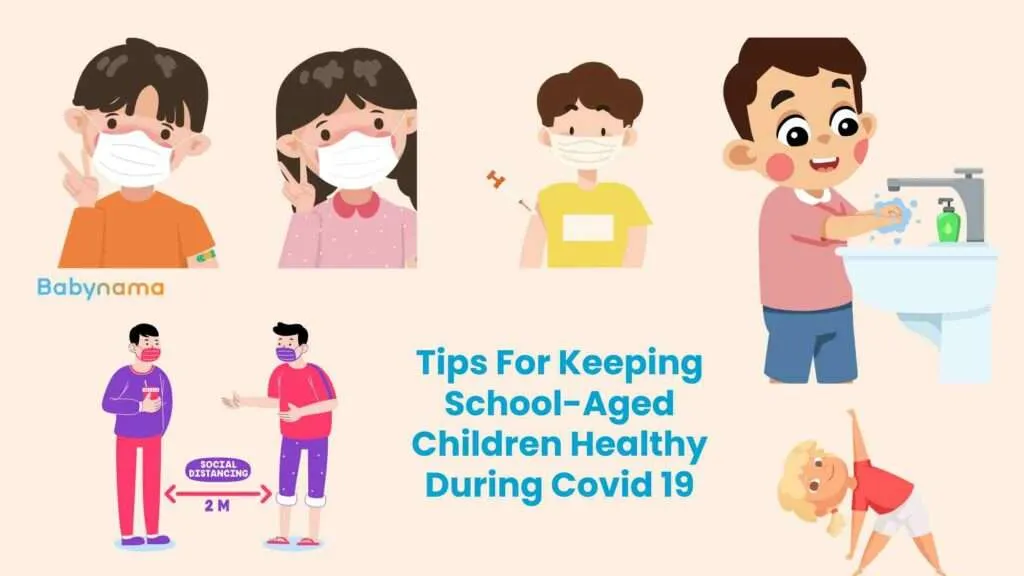
General hygiene practices (haath dhona)
-
Staying home when sick
-
Keeping vaccinations up to date
-
Overall health and nutrition
-
Mental well-being (mann ki sehat)
-
Adequate sleep (poori neend)
Step-by-Step Health Guide
Step 1: Keep Vaccinations Updated (Teeke Complete Rakho)
Essential vaccines for school-age children:
| Vaccine | Schedule | Notes |
|---|---|---|
| COVID-19 | As per current government/IAP guidelines | Boosters when recommended |
| Flu (Influenza) | Annually (before winter - Oct/Nov) | Especially important if child has asthma |
| Typhoid | As per schedule | Important in India |
| Hepatitis A & B | Check if completed | Often missed |
| MMR, DPT boosters | Check schedule | Don’t skip boosters |
Check with pediatrician for personalized recommendations based on child’s age and health.
Step 2: Teach Good Hygiene Habits (Safai Ki Aadat)
Handwashing (haath dhona) - THE most important habit!
When to wash:
-
Before eating (khana khane se pehle)
-
After using toilet
-
After coming home from school
-
After playing outside
-
After touching animals
-
After sneezing/coughing Proper technique (sahi tarika):
-
Wet hands with clean water
-
Apply soap
-
Rub for 20 seconds (do baar “Happy Birthday” gaao)
-
Scrub between fingers, under nails
-
Rinse and dry properly When soap unavailable: Alcohol-based hand sanitizer (60% alcohol)
Step 3: Practice Respiratory Hygiene
Teach children:
- Cover mouth when coughing/sneezing (khanste ya chheenkte waqt dhako)
- Use tissue or elbow (not hands!)
- Dispose tissues properly (dustbin mein)
- Don’t touch face with unwashed hands
- Don’t share water bottles or food directly
Step 4: Keep Sick Children at Home
When to stay home from school:
-
Fever (bukhar)
-
Vomiting or diarrhea (ulti/loose motion)
-
New cough or cold symptoms (sardi-zukaam)
-
Known infectious illness
-
Not feeling well enough to participate Return to school when:
-
Fever-free for 24 hours (without medicine)
-
Feeling well enough to learn and play
-
Doctor clears for return (if specific illness)
Step 5: Build Strong Immunity (Immunity Mazboot Karo)
Nutrition for immunity:
| Nutrient | Indian Sources | Benefit |
|---|---|---|
| Vitamin C | Amla, orange, nimbu, guava, kiwi | Immune support |
| Vitamin D | Dhoop (sunlight), eggs, fortified milk | Infection fighting |
| Zinc | Nuts, seeds, whole grains, pumpkin seeds | Immune function |
| Protein | Dal, paneer, eggs, chicken, fish | Building blocks |
| Probiotics | Dahi (curd), chaas (buttermilk) | Gut health |
Daily healthy habits:
- Balanced diet (ghar ka khana)
- Adequate sleep (poori neend - see chart below)
- Regular physical activity (khel-kud)
- Outdoor time (dhoop mein thodi der)
- Adequate water intake (paani peete raho) Sleep requirements by age:
| Age | Hours Needed |
|---|---|
| 6-12 years | 9-12 hours |
| 13-18 years | 8-10 hours |
Step 6: Support Mental Health (Mann Ki Sehat)
Why it matters:
-
School stress is real (padhai ka pressure)
-
Peer dynamics can be challenging
-
Social media pressure (older kids)
-
Balance is important What to do:
-
Regular check-ins with child (baat karo daily)
-
Listen without judgment
-
Maintain consistent daily routines
-
Limit news/social media exposure
-
Encourage physical activity (releases stress)
-
Allow play and free time (khel-kud zaroor)
-
Watch for changes in behavior, neend, or appetite Warning signs to notice:
-
Sudden change in neend patterns
-
Loss of interest in activities they enjoyed
-
Changes in eating habits
-
Withdrawing from friends/family
-
Frequent complaints of headache/stomach ache without physical cause
-
Excessive worry or fear
Tips for Success
At home:
-
Stock healthy snacks (fruits, nuts, makhana) instead of chips/biscuits
-
Make handwashing a non-negotiable habit
-
Keep regular sleep schedule (sone ka time fix)
-
Limit screen time (especially before neend)
-
Model healthy behaviors yourself For school:
-
Pack healthy lunch from home (dabba)
-
Include water bottle (apni bottle)
-
Teach child not to share food/water directly
-
Ensure proper rest night before school
-
Regular bedtime routine Overall approach:
-
Don’t be overprotective - normal childhood activities build immunity
-
Focus on building resilience, not just avoiding illness
-
Celebrate healthy habits
-
Remember: some illness is normal and okay!
Common Mistakes to Avoid
| Mistake | Why It’s Harmful | Do This Instead |
|---|---|---|
| Over-sanitizing everything | Can harm natural immunity | Normal cleanliness is enough |
| Keeping child isolated | Affects social development, immunity | Balance caution with normal life |
| Worrying about every cold | Creates anxiety in child | Most colds are mild and self-limiting; watch for warning signs |
| Ignoring mental health | Can lead to bigger issues | Regular emotional check-ins |
| Junk food for convenience | Weakens immunity | Plan healthy meals/snacks |
| Skipping regular vaccinations | Increases disease risk | Keep all vaccines updated |
| Irregular sleep schedule | Affects immunity and learning | Consistent neend routine |
When to Seek Medical Help
Urgent/Emergency (turant doctor):
🚨 For breathing difficulty, persistent confusion, a seizure, blue lips, or any child who looks very unwell, call 112 (national emergency) or 108 (ambulance) or go to the nearest hospital right away.
- High fever (103°F / 39.4°C+) not settling with paracetamol — seek same-day medical care
- Difficulty breathing
- Severe vomiting or diarrhea causing dehydration
- Confusion or unusual behavior
- Rash with fever
- Unable to keep fluids down
Non-urgent Appointment:
- Prolonged cough (more than 2-3 weeks)
- Recurrent infections (baar baar beemar)
- Significant behavior changes
- Sleep problems lasting weeks (neend ki problem)
- Weight loss or poor appetite
- Anxiety affecting daily life/school
Age-Specific Considerations
Young Children (3-6 years / Preschool-KG)
- Less able to maintain hygiene independently
- Need supervision for handwashing
- May not report symptoms well
- Teach through games and songs
- Expect 6-8 colds per year (this is common and usually expected at this age)
Primary School (6-12 years)
- Can learn and practice hygiene independently
- Peer influence increases
- Balance independence with guidance
- Mental health awareness important
- May hide symptoms to avoid missing school
Teens (12+ years)
- More independence in health decisions
- Neend and stress issues very common (padhai ka pressure)
- Social pressures significant
- Open, non-judgmental communication important
- Screen time and neend hygiene critical
Building Resilience
The goal is not to avoid all illness but to:
- Build a healthy immune system naturally
- Develop good lifelong habits
- Create resilience to recover quickly
- Maintain mental well-being
- Balance caution with normal, active life Remember: Some mild illness is common in childhood and helps the immune system mature. Around 6-8 colds per year is typical for younger children. See your pediatrician if infections are very frequent, severe, or affecting growth.
Frequently Asked Questions
Q: School mein bachcha baar baar beemar ho jaata hai. Normal hai?
A: Some illness (around 6-8 colds per year) is common and usually expected, especially for younger school children. Their immune system is learning and building strength through exposure. Concerning: if illness is very frequent (every 2-3 weeks), severe, or affecting growth/school performance. Focus on: good nutrition, adequate neend (9-12 hours for 6-12 year olds), hygiene habits. See doctor if worried about frequency or severity.
Q: Flu vaccine har saal zaruri hai kya?
A: Recommended annually, especially for: children with asthma, diabetes, or chronic conditions, children under 5, and children in crowded settings like hostels. Flu vaccine is updated each year for new strains. Not mandatory but helpful in reducing illness severity, missed school days, and spread to younger siblings/grandparents. Best given September-November before flu season. Consult pediatrician.
Q: School se aane ke baad nahana zaruri hai?
A: Not strictly necessary unless child is visibly dirty or sweaty after sports. HAND WASHING is most important - this is what prevents most infections. Can change clothes and wash hands/face when coming home. Complete daily bath can be at any convenient time. Over-bathing can dry skin. Focus on hands - that’s where most germs transfer!
Q: Bachche ki immunity kaise badhaye?
A: Balanced diet (all food groups, not supplements), adequate neend (based on age - 9-12 hours for primary school), regular physical activity and outdoor time (dhoop = vitamin D), limited screen time, manage stress, keep vaccines updated, limit sugar and processed junk food. There’s NO magic “immunity booster” supplement for healthy children with balanced diet. Consistent healthy lifestyle matters more than any product!
Q: Mental health ke baare mein kaise pata chalega kuch problem hai?
A: Watch for: sudden change in neend patterns (bahut sona ya kam sona), loss of interest in previously enjoyed activities, changes in eating, withdrawing from friends/family, frequent physical complaints (sir dard, pet dard) without cause, excessive worry. Regular conversations help - ask open questions about school, friends, feelings. If concerns persist 2+ weeks or affecting school/daily life, consult pediatrician or counselor. Early support helps!
This article was reviewed by Babynama Pediatricians. Last updated: January 2025
This article is for general information for parents in India and follows IAP (Indian Academy of Pediatrics) guidance. It is not a substitute for an in-person consultation. Vaccination should follow the current IAP immunization schedule. Always consult your pediatrician for advice specific to your child. In an emergency, call 112 (national emergency) or 108 (ambulance), or go to your nearest hospital.
Worried about your child’s health? Babynama’s pediatricians can help with personalized advice for keeping your school-going child healthy. Chat with us on WhatsApp!
Need personalized guidance? Book a consultation with our pediatricians or explore our Care Plans for 24/7 expert support!
Related Tools
Have a question about your little one?
Join our free community for live Q&A with MD pediatricians — no cost to join.
Join the free community