Quick Answer
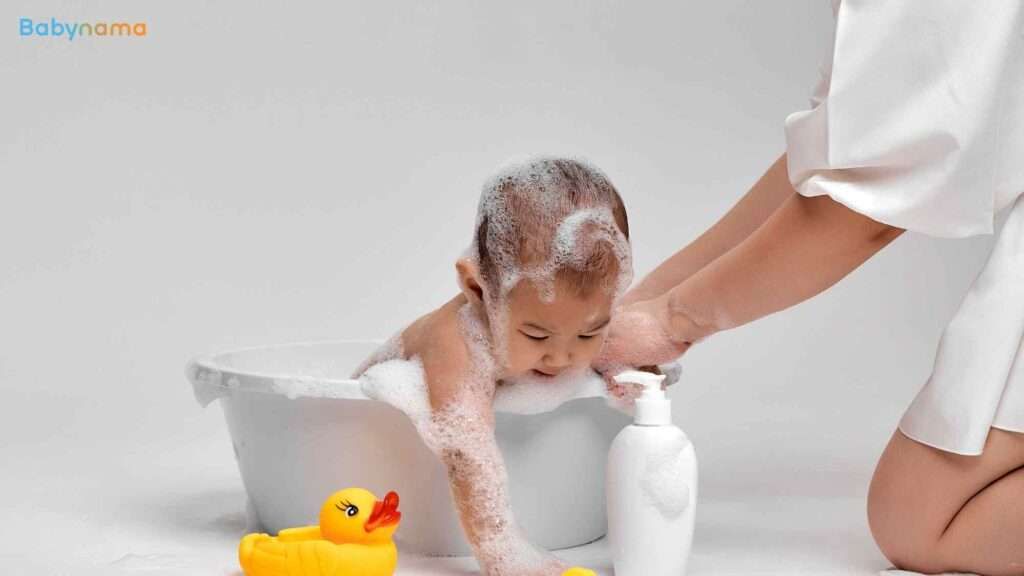
You don’t need to shampoo your baby’s hair daily - 2-3 times per week is usually enough! For newborns, even alternate-day shampooing with plain water works fine. Choose a gentle, tear-free baby shampoo (like Johnson’s Baby, Himalaya, or Sebamed), use just a small coin-sized amount, and rinse thoroughly. Over-washing can strip natural oils and cause dryness. Your baby’s hair care routine can be stress-free with the right approach.
Why Baby Hair Care is Different
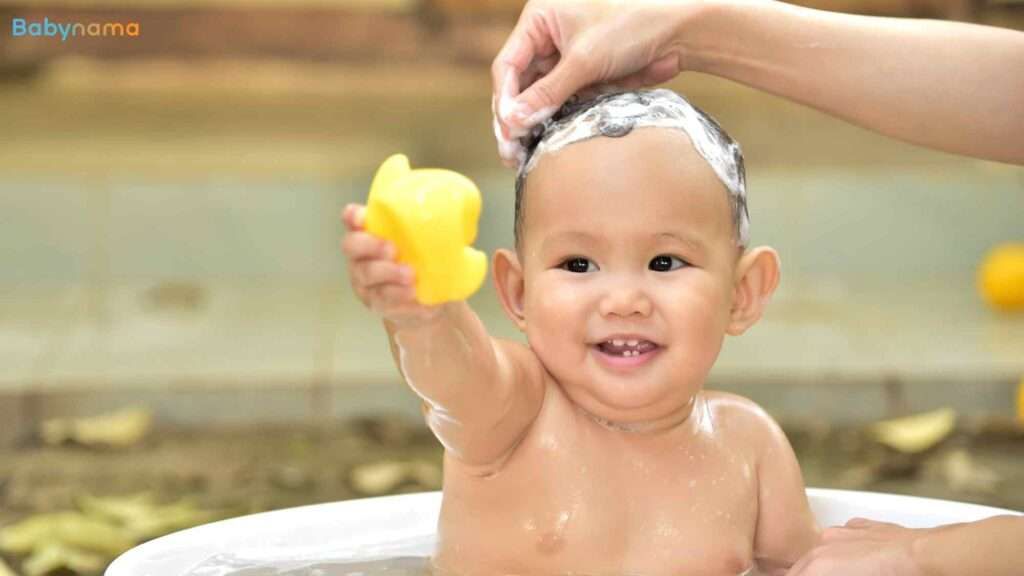
Babies have much more delicate scalps than adults. Here’s what makes baby hair care unique:
- Thin, sensitive skin - More prone to irritation and dryness
- Natural oils needed - Protects scalp and developing hair
- Less dirt accumulation - Babies don’t sweat much or get truly dirty
- Soft, fine hair - Requires gentle handling
- Fontanelle (soft spot) - Needs careful, gentle pressure Good news: You can be relaxed about baby hair washing. Less is often more when it comes to infant hair care!
How Often to Shampoo: Age-by-Age Guide
Newborns (0-3 Months)
Frequency: Alternate days with shampoo; plain water rinse on other days
- Newborn hair doesn’t get oily or dirty quickly
- Focus on keeping the scalp clean, not the hair
- A gentle water rinse during daily sponge baths is usually enough
- Use shampoo only 2-3 times per week Special note for malish (massage): If you’re following the Indian tradition of daily oil massage (tel malish), you may need to shampoo more frequently to remove excess oil. Still, every alternate day is sufficient.
Infants (3-12 Months)
Frequency: 2-3 times per week
- As baby starts eating solids, food may get in hair
- More active play means more sweat
- Still don’t need daily shampooing
- Increase to 3-4 times if baby plays outdoors often
Toddlers (12+ Months)
Frequency: 2-3 times per week, or as needed
- More hair means more washing needed
- Active outdoor play may require more frequent washing
- Can wash more often if hair gets visibly dirty
- Still avoid daily shampooing to protect natural oils
Choosing the Right Shampoo for Indian Babies
What to Look For
- Tear-free formula - Won’t sting if it gets in eyes
- pH balanced - Gentle on baby’s skin (pH 5.5-6)
- Fragrance-free or mild fragrance - Strong scents can irritate
- No harsh chemicals - Avoid parabens, sulfates, phthalates
- Hypoallergenic - Less likely to cause allergic reactions
Popular Baby Shampoos in India
| Brand | Type | Best For |
|---|---|---|
| Johnson’s Baby Shampoo | Tear-free, mild | Everyday use, budget-friendly |
| Himalaya Baby Shampoo | Herbal, mild | Parents preferring natural ingredients |
| Sebamed Baby Shampoo | pH 5.5, dermatologist-recommended | Sensitive skin, eczema-prone babies |
| Mamaearth Baby Shampoo | Natural, toxin-free | Organic preference |
| Chicco No Tears Shampoo | Gentle, imported | Premium choice |
| Dabur Baby Shampoo | Ayurvedic | Traditional preference |
| Cetaphil Baby Wash | Soap-free, gentle | Very sensitive skin |
Budget tip: Basic tear-free shampoos work perfectly well. Expensive doesn’t always mean better for babies!
Step-by-Step: How to Shampoo Baby’s Hair
Before You Begin
Gather everything within arm’s reach:
- Baby shampoo
- Soft washcloth
- Cup or mug for rinsing
- Soft towel
- Clean diaper and clothes Safety first: NEVER leave baby unattended in or near water, even for a second.
Step 1: Prepare the Bath
- Fill baby tub with 2-3 inches of lukewarm water
- Test temperature with your elbow or inner wrist (should feel warm, not hot)
- Ideal temperature: 37-38°C (body temperature)
- Keep room warm to prevent baby from getting cold
Step 2: Wet Baby’s Hair
- Support baby’s head and neck securely with one hand
- Use your other hand or a cup to gently pour water over the head
- Tilt baby’s head back slightly to prevent water entering eyes
- Shield forehead with your hand if needed
Step 3: Apply Shampoo
- Squeeze a small amount (size of a 5-rupee coin) onto your palm
- Gently rub between your palms to create lather
- Apply to baby’s scalp using fingertips (not nails)
- Massage in gentle circular motions
- Don’t scrub hard - be gentle over the soft spot (fontanelle)
Step 4: Rinse Thoroughly
- Use cup to pour clean, warm water over head
- Tilt head back to keep soap out of eyes
- Continue rinsing until all shampoo is removed
- Run your fingers through hair to check for residue
- Important: Leftover shampoo can cause dryness and irritation
Step 5: Dry Gently
- Wrap baby in soft towel immediately
- Pat (don’t rub) hair and scalp dry
- Rubbing can cause tangles and irritate scalp
- Keep baby warm until fully dry
Tips for Fuss-Free Hair Washing
For Babies Who Hate Hair Washing
Make it comfortable:
-
Wash hair at the end of bath time when baby is relaxed
-
Sing songs or talk soothingly throughout
-
Use a soft cloth over baby’s forehead to catch drips
-
Keep the process quick - don’t over-shampoo Reduce fear:
-
Let baby play with cup and water before starting
-
Pour water slowly, not suddenly
-
Avoid getting water in ears
-
Use warm (not cold) water for rinsing Distraction techniques:
-
Give baby a bath toy to hold
-
Have another family member make funny faces
-
Play gentle music
For Babies with Cradle Cap (Seborrheic Dermatitis)
Cradle cap (yellowish, scaly patches on scalp) is very common and usually clears on its own:
- Before bath: Apply coconut oil or baby oil, massage gently
- Wait 15-20 minutes: Let oil soften the scales
- Gentle brushing: Use soft baby brush to loosen flakes
- Shampoo normally: Don’t pick or scratch at scales
- Repeat regularly: May take several weeks to clear When to see doctor: If cradle cap spreads beyond scalp, becomes red/inflamed, or doesn’t improve after 2 weeks of home care.
Common Mistakes to Avoid
- Daily shampooing - Strips natural oils, causes dryness
- Using adult shampoo - Too harsh for baby skin
- Scrubbing hard - Can irritate delicate scalp
- Water too hot/cold - Uncomfortable, can burn or shock baby
- Leaving shampoo residue - Causes dryness and irritation
- Rubbing hair dry - Causes tangles and irritation
- Using too much product - Waste of money and harder to rinse
When to Seek Help
Consult your pediatrician if you notice:

- Persistent redness or rashes on scalp
- Excessive hair loss (some shedding is normal)
- Cradle cap that spreads or becomes inflamed
- Scalp that bleeds or oozes
- Baby seems to have pain when scalp is touched
- Unusual bald patches
FAQs
Q: Can I use regular shampoo on my baby if baby shampoo runs out?
A: It’s best to avoid adult shampoo as it’s too harsh and can sting baby’s eyes. In an emergency, you can wash with plain water or use a tiny amount of mild baby soap. Buy baby shampoo as soon as possible - even basic brands like Johnson’s are gentle enough.
Q: Should I apply oil before or after shampooing baby’s hair?
A: In Indian tradition (tel malish), oil is applied before bath and washed off with shampoo. This is perfectly fine! You can also apply a tiny amount of light oil (like coconut or almond) after bath if baby’s scalp seems dry. Don’t overdo it - a few drops are enough.
Q: My baby has very little hair. Do I still need to use shampoo?
A: Haan, it’s more about cleaning the scalp than the hair. Even babies with very little hair (ganja) benefit from gentle scalp cleaning 2-3 times a week. Use very little shampoo and focus on keeping the scalp healthy.
Q: Baby cries every time I wash hair. Any tips?
A: This is very common! Try these:
- Wash hair less frequently (twice a week is enough)
- Have someone distract baby with toys or songs
- Use a dry washcloth over baby’s eyes
- Pour water very slowly from back of head
- Keep sessions short - quick and gentle is best
- Try different times - some babies do better when not tired
Q: Is coconut oil safe to use on baby’s scalp daily?
A: Yes, coconut oil (nariyal tel) is safe and commonly used in Indian households. Apply a small amount - you don’t need to drench the scalp. If you apply oil daily, shampoo every 2-3 days to prevent buildup. Watch for any signs of irritation - some babies may be sensitive to certain oils.
This article was reviewed by Babynama Pediatricians. Last updated: January 2025
General information for Indian parents, not a substitute for your pediatrician. In an emergency, call 112 or 108.
Need personalized guidance? Book a consultation with our pediatricians or explore our Care Plans for 24/7 expert support!
Related Tools
Have a question about your little one?
Join our free community for live Q&A with MD pediatricians — no cost to join.
Join the free community