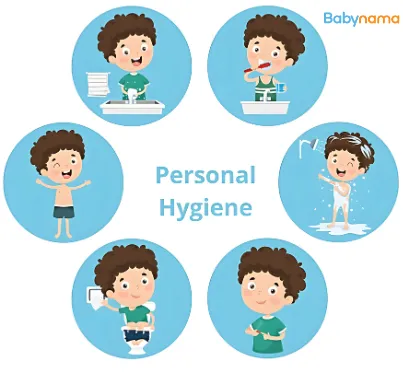
Quick Answer: Start early, make it fun, and be consistent. Key hygiene habits include handwashing (20 seconds with soap), dental care (twice daily), bathing, nail care, and covering coughs/sneezes. Model good hygiene yourself - children learn by watching. Use songs, games, and visual reminders. Make hygiene routine, not a battle. Praise efforts rather than perfection.
Why Teaching Hygiene Matters
Good hygiene habits learned in childhood become automatic for life. They protect your child from illness and help them become healthy, confident adults.
Benefits of Good Hygiene
| Benefit | How It Helps |
|---|---|
| Fewer illnesses | Reduces infection spread |
| Better social acceptance | No one avoids them due to odor/appearance |
| Self-confidence | Feeling clean and presentable |
| Lifelong habits | Early habits stick |
| Independence | Can care for themselves |
Handwashing: The Most Important Habit
When to Wash Hands
| Situation | Why It Matters |
|---|---|
| Before eating | Prevents ingesting germs |
| After using toilet | Most critical time |
| After touching pets | Animals carry bacteria |
| After playing outside | Dirt contains germs |
| After coughing/sneezing | Prevents spread |
| When visibly dirty | Obvious need |
How to Teach Proper Handwashing
The Steps (Make Into a Song!):
- Wet hands with clean water
- Apply soap
- Rub hands together - palms, backs, between fingers, under nails
- Scrub for 20 seconds (sing “Happy Birthday” twice)
- Rinse well
- Dry with clean towel
Age-Appropriate Handwashing
| Age | Approach |
|---|---|
| Toddlers | Do it together, make it a game |
| Preschool | Supervise, let them do it |
| School-age | Remind, spot check |
| Teens | Trust but reinforce during illness |
Making It Fun
- Sing the ABC song while scrubbing
- Use colorful, foaming soap
- Let them choose their soap/dispenser
- Sticker charts for consistent washing
- “Glow-germ” kits that show remaining dirt
Dental Hygiene
When to Start
| Age | Dental Care |
|---|---|
| 0-6 months | Wipe gums with clean cloth |
| First tooth erupts | Begin brushing twice daily with a rice-grain (smear) of fluoride toothpaste |
| 3 years | Increase to a pea-sized amount of fluoride toothpaste |
| 6 years | Begin supervision of own brushing |
| 8+ years | Independent brushing with occasional checks |
Brushing Basics
How Long: 2 minutes, twice daily
How to Brush:
- Small, circular motions
- All surfaces - outside, inside, chewing surface
- Brush tongue too
- Spit out toothpaste but don’t rinse with water (let the fluoride keep working)
Making Dental Care Fun
| Strategy | How to Do It |
|---|---|
| Timer/song | 2-minute songs or timers |
| Let them choose | Their own brush and toothpaste flavor |
| Brush together | Model the behavior |
| Story | “We’re chasing the sugar bugs away!” |
| Apps | Brushing apps with games |
Bathing and Body Hygiene
How Often?
| Age | Bathing Frequency |
|---|---|
| Newborns | 2-3 times per week |
| Toddlers | Daily or every other day |
| School-age | Daily (minimum every other day) |
| Puberty | Daily (especially with sports/activity) |
Teaching Self-Bathing
What to Teach:
- How to wash body parts properly
- Hair washing technique
- Importance of cleaning folds (armpits, groin, behind ears)
- Rinsing thoroughly
- Drying properly
Age-Appropriate Bathing Independence
| Age | Level of Independence |
|---|---|
| 3-4 years | Start washing with supervision |
| 5-6 years | Wash independently, parent checks |
| 7-8 years | Mostly independent |
| Puberty | Private but guided as needed |
Hygiene During Puberty
New Conversations Needed
| Topic | What to Discuss |
|---|---|
| Body odor | Daily showering, deodorant |
| Sweating | Clean clothes, foot hygiene |
| Skin changes | Washing face, acne care |
| Hair changes | Underarm hair, hygiene |
| For girls | Menstrual hygiene |
When to Start Deodorant
Usually around ages 8-13 when body odor becomes noticeable. Signs it’s time:
- Noticeable underarm smell
- Increased sweating
- Usually correlates with early puberty signs
Nail Care
Basic Nail Hygiene
| What | How Often |
|---|---|
| Trim nails | Weekly |
| Clean under nails | During bathing |
| Push back cuticles | Gently, occasionally |
Teaching Points
- Keep nails short to prevent dirt buildup
- Don’t bite nails (germs enter mouth)
- Cut straight across, then round edges
- Clean nails before eating
Covering Coughs and Sneezes
The “Vampire Sneeze”
Teach children to cough/sneeze into their elbow, not hands.
Why Elbow, Not Hands:
- Hands touch everything and spread germs
- Elbow doesn’t touch surfaces
- Called “vampire” because it looks like Dracula’s cape
Tissue Use
- Use tissue for nose blowing
- Throw away immediately
- Wash hands after
Hair Care
Basic Hair Hygiene
| What | How Often |
|---|---|
| Shampoo | 2-3 times per week (daily if oily) |
| Combing/brushing | Daily |
| Checking for lice | Regularly, especially if exposure |
Teaching Hair Washing
- Show proper amount of shampoo
- Massage into scalp
- Rinse thoroughly
- Condition if needed (older children)
Age-by-Age Hygiene Checklist
Toddlers (1-3 years)
- Handwashing with help
- Teeth brushing (parent does it)
- Bath time cooperation
- Learning names of body parts
Preschool (3-5 years)
- Handwashing with reminders
- Teeth brushing with supervision
- Wipes self after toilet (may need help)
- Covers coughs/sneezes sometimes
- Participates in bathing
School-Age (6-9 years)
- Independent handwashing
- Brushes teeth 2x/day (occasional supervision)
- Bathes with minimal help
- Wipes properly after toilet
- Covers coughs/sneezes consistently
- Beginning to care about appearance
Pre-Teen (10-12 years)
- All above, independently
- May need deodorant
- Understands why hygiene matters
- Makes good choices when not supervised
- Beginning puberty talks
Making Hygiene a Habit
Strategies That Work
| Strategy | How It Helps |
|---|---|
| Routine | Same time every day |
| Modeling | They copy what you do |
| Visual reminders | Charts, signs near sinks |
| Praise | Positive reinforcement |
| Natural consequences | “We wash hands before eating” |
What Doesn’t Work
- Nagging (creates resistance)
- Shaming (“You’re disgusting”)
- Inconsistency (sometimes enforced, sometimes not)
- Long lectures (keep it simple)
- Doing it for them forever (build independence)
Common Challenges
“My child hates washing hands”
Try:
- Make it faster (singing helps time pass)
- Use soap they like
- Warm water (more comfortable)
- Step stool for independence
- Make it a game
“My child resists brushing teeth”
Try:
- Electric toothbrush (more fun)
- Let them choose toothpaste flavor
- Brush together
- Apps with timers and games
- Sticker rewards
“My child won’t take a bath”
Try:
- Bath toys
- Bubble bath
- Let them control water temperature
- Music during bath time
- Shower as alternative for older kids
“My teen doesn’t care about hygiene”
Try:
- Connect to social concerns (friends, dating)
- Keep supplies accessible
- Don’t nag - give information once
- Let natural consequences occur (peer feedback)
- Rule out depression (poor hygiene can be a sign)
Frequently Asked Questions
Q: At what age should my child shower independently?
A: Most children can shower independently by age 7-8, though some need supervision longer. Ensure they can safely control water temperature and know how to wash properly.
Q: How do I teach my son to clean properly after using the toilet?
A: Teach boys to shake/wipe after urinating and to wipe front to back after bowel movements. Demonstrate, supervise, and check underwear until the skill is mastered.
Q: My child always forgets to wash hands - what can I do?
A: Place visual reminders near sinks, make it a non-negotiable routine before meals, and praise when you catch them doing it. Consistency is key.
Q: Should I force my child to bathe if they refuse?
A: Don’t force, but do set expectations. Offer choices (“Bath or shower?”). Keep it short if needed. Make it as pleasant as possible. Consistent, calm insistence works better than battles.
Key Takeaways
- Start early - Habits form best in childhood
- Model it - They learn by watching you
- Make it fun - Songs, games, choices
- Be consistent - Same expectations every day
- Praise efforts - Positive reinforcement works
- Build independence - Do less as they grow
- Adjust for age - Expectations change over time
This article was reviewed by Babynama Pediatricians. Last updated: January 2026
General information for Indian parents, not a substitute for your pediatrician. In an emergency, call 112 or 108.
Need personalized guidance? Book a consultation with our pediatricians or explore our Care Plans for 24/7 expert support!
Have a question about your little one?
Join our free community for live Q&A with MD pediatricians — no cost to join.
Join the free community